

















EU Observer (4 May 2018)
Three years ago Austria's justice minister complained that the EU's forthcoming data protection rules were too weak. Today, the right-wing government in Vienna says they are too strong.
Austria's governing conservative OVP and far-right FPO parties passed a law last month that critics have said complicates enforcement of new EU-wide data protection rules set for an end of May launch.
German Green MEP Jan Philipp Albrecht, who steered the new rules through the European Parliament, told EUobserver on Thursday (3 May) the changes reflect the conservative government under chancellor Sebastian Kurz.
"Before it was OVP and SPO, who were still very much in the mood of having strong data protection along with Austrian standards, which are very high... now, with the Kurz and the FPO, I think the policy has completely changed," he said.
Albrecht said the governing parties in Vienna are trying to turn the country into a sort of 'safe haven' - by complicating enforcement of the new EU data rules, known as the general data protection regulation (GDPR).
Those new EU rules will be enforced as of 25 May by the national data protection authorities and aim, among other things, to hand back the control of personal data to citizens.
Austria's data protection authority (DPA) is led by Andrea Jelinek - who is also slated to become the head of the upcoming European Data Protection Board.
The board will be key to imposing the new rules.
New law
But the new Austrian law demands Jelinek first issues warnings before launching sanctions against violating firms. Heise.de, which first reported the last minute amendments, said it means most infringements will go unpunished.
Imposing such a rule may be seen as government encroachment or as an effort to sow confusion given data authorities are supposed to be entirely independent. The move was also noticeably praised by Austrian trade associations.
"In the end it really doesn't make a big difference," admitted Albrecht, noting that the DPA will still be able to issue sanctions without warnings if there is a very severe infringement.
But he pointed out that the GDPR says sanctions are imposed by DPAs without any condition, and without a room for specification, or changes to member states' law.
Matthias Schmidl, deputy head of the Austrian Data Protection Authority, told EUobserver in an email that they will still decide on a case-by-case basis whether to impose administrative fines or not - even if it is the first violation.
He also said that "the wording of the said provision is very open and allows an interpretation" within the EU regulation.
Lack of preparation?
But such issues and others are also raising serious concerns on how prepared those meant to enforce the new data rules will actually be.
Earlier this year, EU commissioner for justice Vera Jourova warned that only Austria and Germany had so far passed the national laws needed to ensure data protection authorities are fully equipped to give GDPR teeth.
Sweden and Slovakia have since passed similar laws - while everyone else is lagging behind, according to the International Association of Privacy Professionals (IAPP).
It noted, in a blog post last week, that EU states need to spell out exemptions in national laws, regarding certain categories of data dealing with things such as ethnic origin or religious beliefs.
Among the biggest laggards, it also noted, are home countries to EU justice commissioner Jourova (Czech Republic) and digital commissioner Mariya Gabriel (Bulgaria).
This article was updated at 10:55 on Monday (7 May). The original article stated that Belgium had updated its national law to ensure its data protection authority is ready to enforce GDPR, when in fact it is Sweden.
No comments yet.
- CHINA'S BELT AND ROAD INITIATIVE: RELIEVING LANDLOCKED CENTRAL ASIA Asia - Pacific 08.05.2018
- AT NORTHERN IRISH BORDER, BREXIT RISKS HARD-WON PEACE Europe - EU 08.05.2018
- IRAQI MILITARY SAYS AIRSTRIKE AGAINST ISLAMIC STATE IN SYRIA FOILED TERRORIST SCHEME Iraq 08.05.2018
- EU PROBES ROMANIA AID TO NATIONAL URANIUM COMPANY The Balkans 08.05.2018
- GREEK COURT CLEARS SPANISH AND DANISH AID WORKERS ON MIGRANT SMUGGLING CHARGES Europe - EU 08.05.2018
-
25.01.2016
THE ARMENIAN QUESTION - BASIC KNOWLEDGE AND DOCUMENTATION -
12.06.2024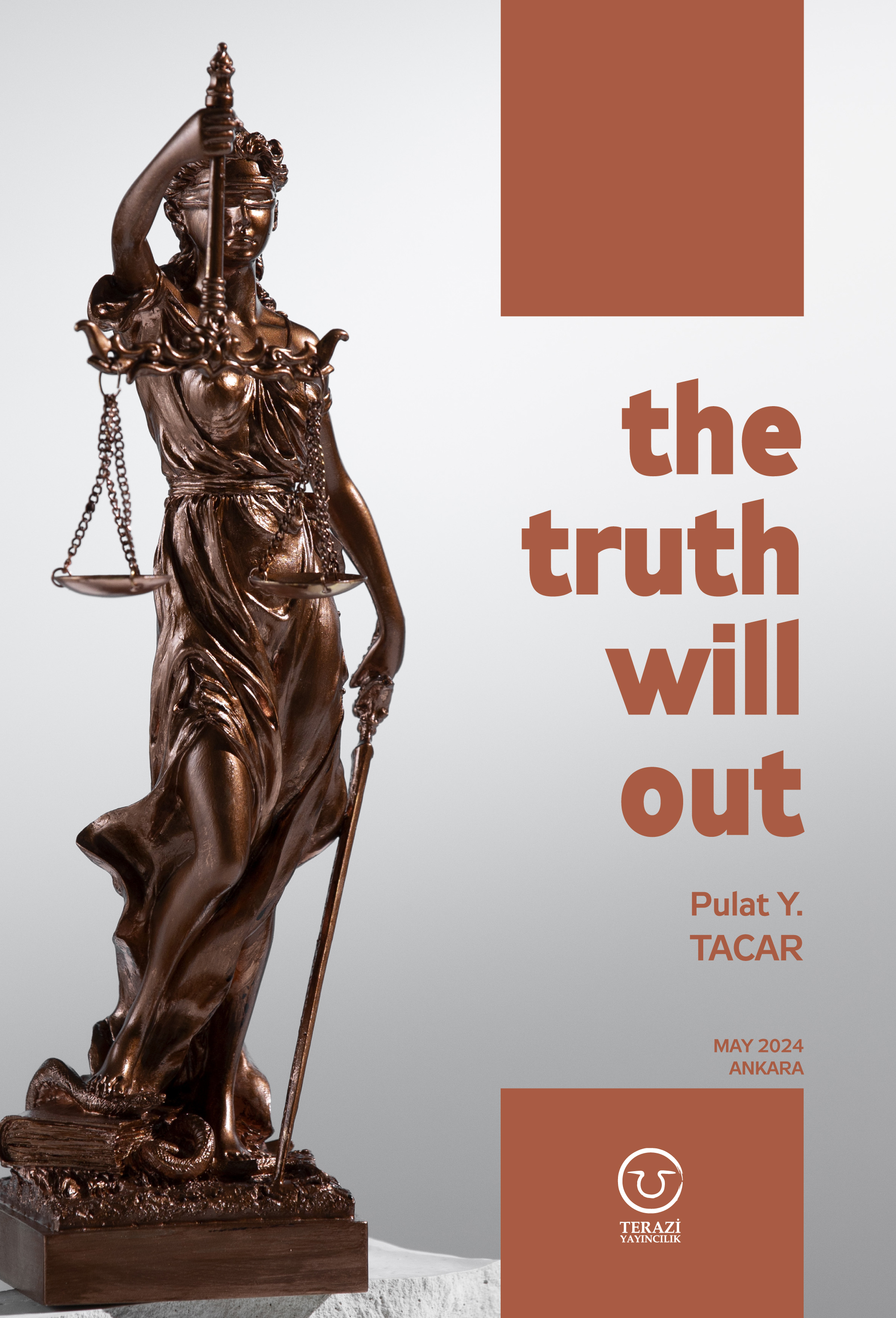
THE TRUTH WILL OUT -
27.03.2023
RADİKAL ERMENİ UNSURLARCA GERÇEKLEŞTİRİLEN MEZALİMLER VE VANDALİZM -
17.03.2023
PATRIOTISM PERVERTED -
23.02.2023
MEN ARE LIKE THAT -
03.02.2023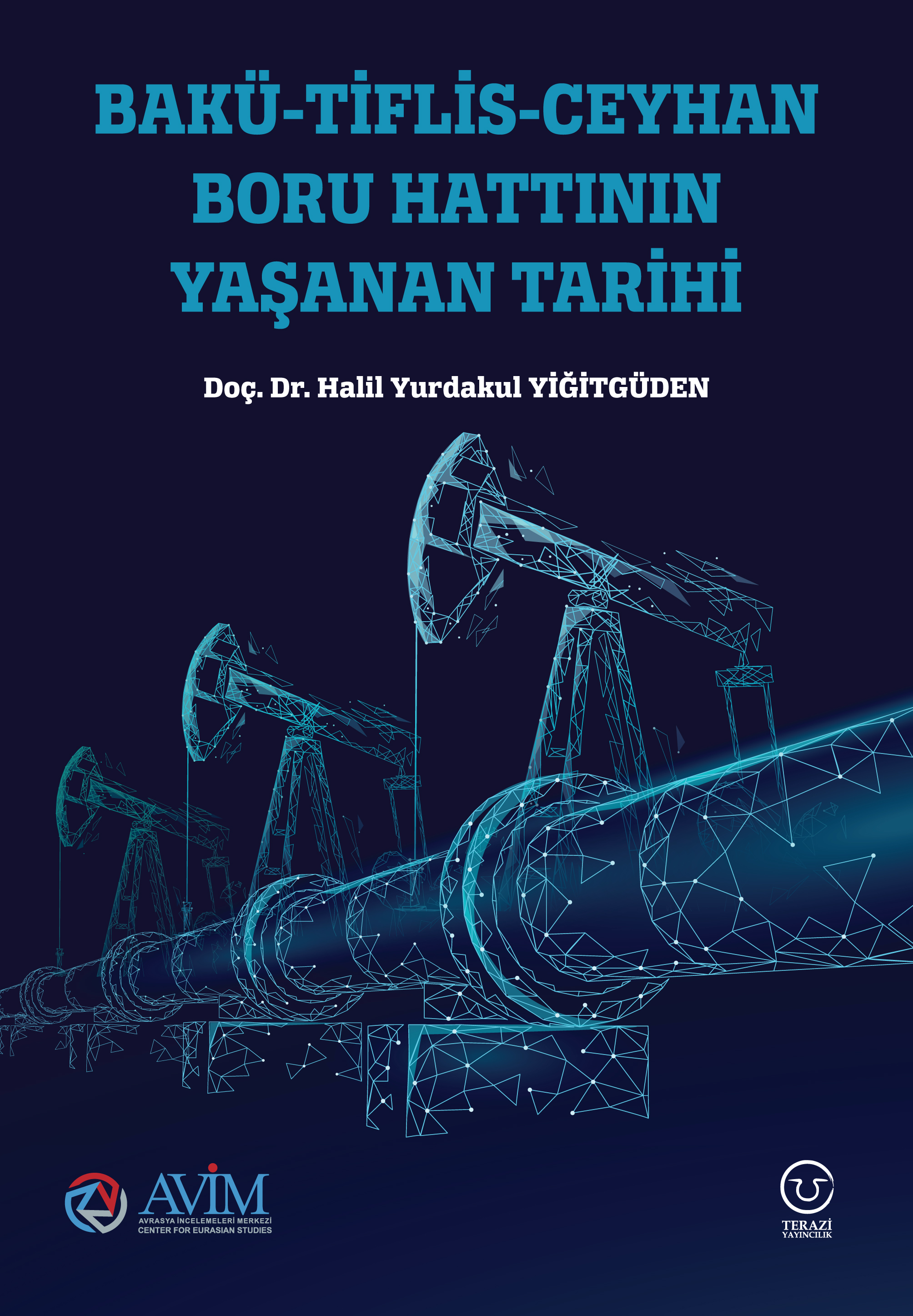
BAKÜ-TİFLİS-CEYHAN BORU HATTININ YAŞANAN TARİHİ -
16.12.2022
INTERNATIONAL SCHOLARS ON THE EVENTS OF 1915 -
07.12.2022
FAKE PHOTOS AND THE ARMENIAN PROPAGANDA -
07.12.2022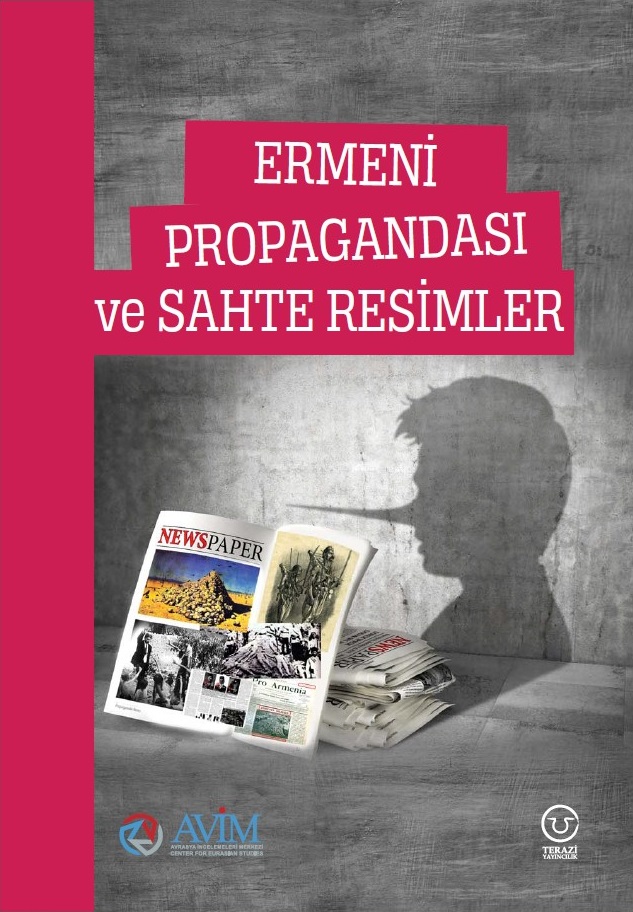
ERMENİ PROPAGANDASI VE SAHTE RESİMLER -
01.01.2022
A Letter From Japan - Strategically Mum: The Silence of the Armenians -
01.01.2022
Japonya'dan Bir Mektup - Stratejik Suskunluk: Ermenilerin Sessizliği -
03.06.2020
Anastas Mikoyan: Confessions of an Armenian Bolshevik -
08.04.2020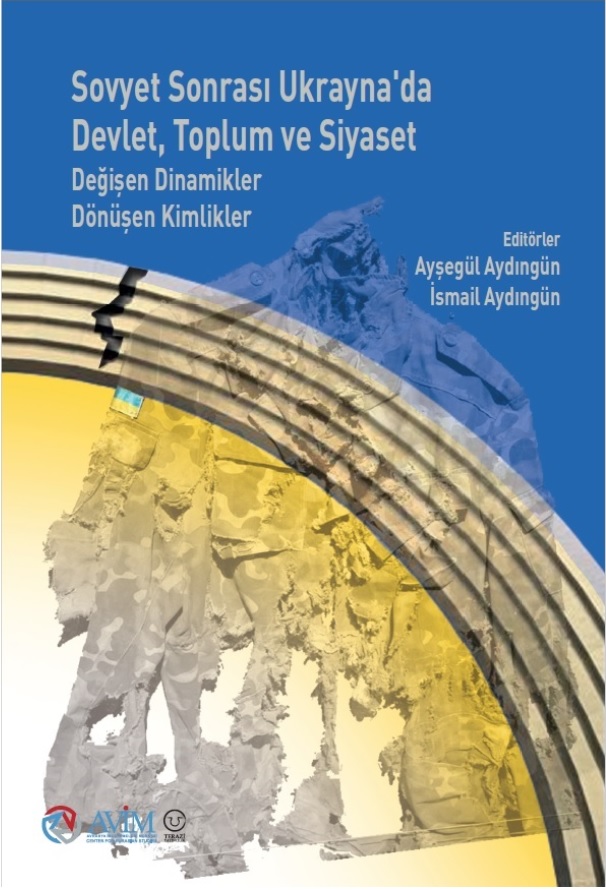
Sovyet Sonrası Ukrayna’da Devlet, Toplum ve Siyaset - Değişen Dinamikler, Dönüşen Kimlikler -
12.06.2018
Ermeni Sorunuyla İlgili İngiliz Belgeleri (1912-1923) - British Documents on Armenian Question (1912-1923) -
02.12.2016
Turkish-Russian Academics: A Historical Study on the Caucasus -
01.07.2016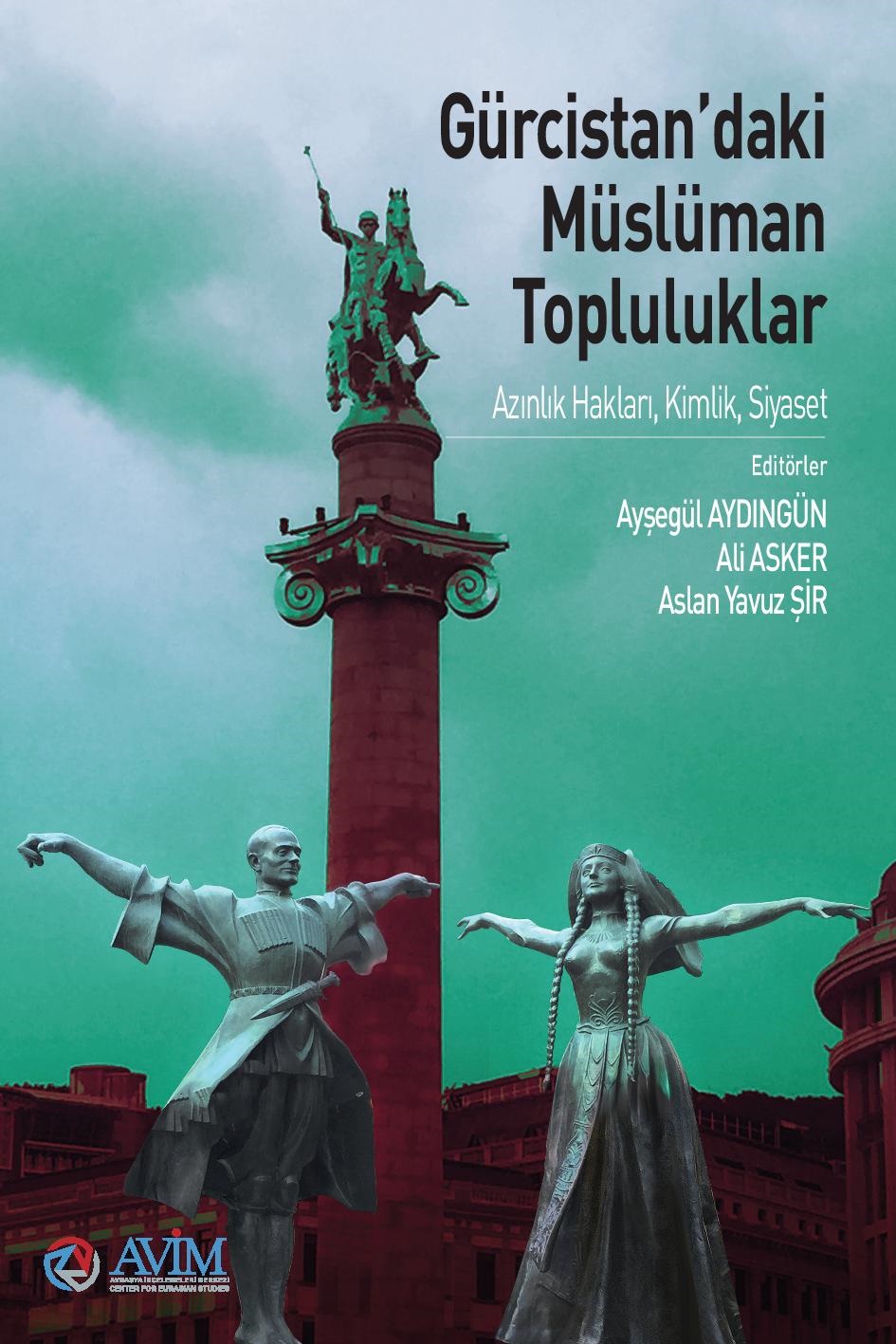
Gürcistan'daki Müslüman Topluluklar: Azınlık Hakları, Kimlik, Siyaset -
10.03.2016
Armenian Diaspora: Diaspora, State and the Imagination of the Republic of Armenia -
24.01.2016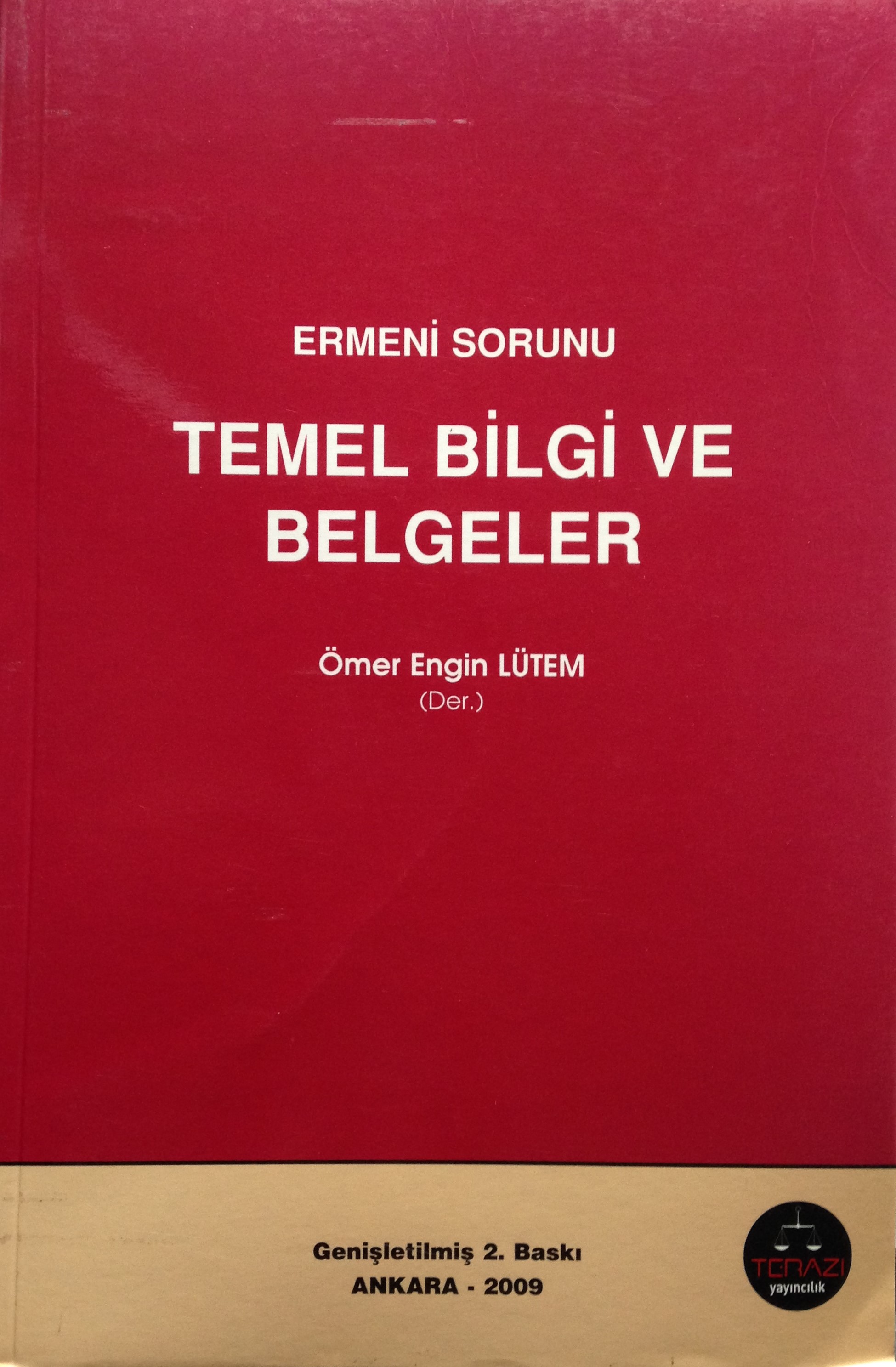
ERMENİ SORUNU - TEMEL BİLGİ VE BELGELER (2. BASKI)



-
AVİM Conference Hall 24.01.2023
CONFERENCE TITLED “HUNGARY’S PERSPECTIVES ON THE TURKIC WORLD"