

















Catholic Herald (20 December 2018)
The Armenian Apostolic Church, one of six in the Oriental Orthodox communion, will have a fixed representative in Rome, similar to the Eastern Orthodox, Anglicans, and Methodists.
Bishop Khajag Barsamian was appointed in early September as representative of the Apostolic Armenian Church to the Holy See. His appointment is intended to strengthen friendship between the two entities.
Archbishop Barsamian, 67, was Primate of the Armenian Apostolic Church diocese in the United States from 1990 to 2018. He is well known for his experience and skill in ecumenical dialogue.
With the appointment, he becomes the point man in Rome for any matter concerning the Armenian Apostolic Church. His work will be that of a liaison between the Holy See and the Apostolic Church, smoothing dialogue in both theological and pragmatic issues.
His official title is “Pontifical Legate of Western Europe and Representative of the Armenian Church to the Holy See.” Catholicos Karekin II, the head of the Armenian Apostolic Church, informed Pope Francis of the appointment with a letter.
The Oriental Orthodox communion has been distinct from the Orthodox Church since the Council of Chalcedon in 451. There are 76 million Oriental Orthodox Christians worldwide, and 9 million members of the Armenian Apostolic Church.
According to Barsamian, Pope Francis “expressed his happiness about this appointment and indicated that my presence in Rome would further strengthen the relationship between the Catholic and the Armenian churches.”
Barsamian told CNA that he is “honored and excited to be taking up this role at this time,” and said, “My objective in my new role will be in part to expand existing projects, programs and activities, in order to draw the two churches closer together in a spirit of mutual respect and collaborative mission.”
Archbishop Barsamian has already begun his duties. A few days after arriving in Rome, he met with Cardinal Kurt Koch, president of the Pontifical Council for Christian Unity.
“Cardinal Koch expressed his support for my new mission in Rome,” Barsamian said. “We had a very constructive discussion of ideas and projects to further strengthen the relationship between our two churches.”
Barsamian also met with Cardinal Pietro Parolin, Vatican Secretary of State, and Cardinal Leonardo Sandri, prefect of the Congregation for the Eastern Churches.
Barsamian recounted that “in my ministry as a priest and bishop, I have always enjoyed being engaged in ecumenism. During my tenure as Primate of the Eastern Diocese of the Armenian Church in the U.S., I supported ecumenical and inter-faith dialogue on a diocesan and parish level. And now here in Rome I am committed to continuing that same ministry.”
Among Barsamian’s commitments is that of reinforcing the Armenian presence in Europe.
“There has always been an Armenian presence in Europe,” he said, “however during the past two or three decades the Armenian presence in Europe increased because of the political and economic situations in the Middle East, in the former Soviet countries, and in Armenia.”
He added that “It will be important to develop Armenian Church parish life where communities can come together in prayer, participate in the sacrament of the Eucharist, and organize educational, cultural and social activities. Likewise, I would like to help Armenian Church communities develop strong ecumenical and interfaith activities.”
The push for ecumenism has always been part of the Armenian Apostolic Church, according to Barsamian.
He said that “the 12th-century Armenian Catholicos/Patriarch St. Nerses the Graceful was a great champion of ecumenism, encouraging his fellow churchmen of all traditions to pursue ‘Unity in essential matters. Diversity in secondary matters. Love over all.’”
Barsamian noted that “in our world today, we too face many challenges, but also great possibilities. Dialogue, cooperation, and formal prayer among different Christian denominations are all essential to realizing those possibilities.”
Recalling Catholic-Apostolic relations, Barsamian stressed that “since the days of Catholicos Vasken I (1955-1994), relations between the Armenian and Roman Catholic churches in general have been growing stronger and deeper, with a spirit of closeness and collaboration emerging between our hierarchy and clergy.”
The current head of the Armenian Apostolic Church, Catholicos Karekin II, met Pope Francis twice this year: on April 5, when he went to Rome to participate in the blessing of a statue of St. Gregory of Narek in the Vatican Gardens with Pope Francis; and on Oct. 24, after a pastoral visit in Milan for the 60th anniversary of the Armenian Church of the Forty Martyrs of Sepastia.
Barsamian said that “on that occasion, the Pope and Karekin II had a very warm meeting, and discussed issues relating to the challenges faced by Christian communities in the world, and they also discussed the Middle East and the situation in the Republic of Armenia.”
Barsamian concluded that “definitely, such meetings are great opportunities to strengthen the connection between the two Churches.”
Barsamian was born in Arpkir, in Turkey, in 1951. He studied in Istanbul, Jerusalem, New York, and Minneapolis, and perfected his studies at the Gregorian University in Rome and at the Oxford Oriental Institute.
He served as a pastor in Istanbul, Jaffa, Haifa, Bamieh and in the United States, where he led for 28 years the U.S. diocese of the Armenian Apostolic Church.
He is also president of the Armenian Aid Fund, which aims at helping Armenia to develop and to bring assistance to Armenians. So far, the fund has donated some $315 million.
https://catholicherald.co.uk/news/2018/12/20/armenian-apostolic-church-appoints-first-ever-representative-in-rome/
No comments yet.
- VESTS & VOTES: HOW PROTESTS HIT MACRON'S EP PROSPECTS Europe - EU 20.12.2018
-
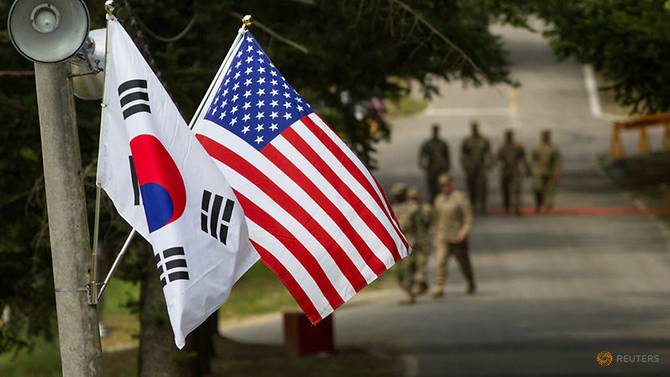 SOUTH KOREA SEEKS SMALLER MILITARY DRILLS WITH US AMID NORTH KOREA TALKS
Asia - Pacific
20.12.2018
SOUTH KOREA SEEKS SMALLER MILITARY DRILLS WITH US AMID NORTH KOREA TALKS
Asia - Pacific
20.12.2018
-
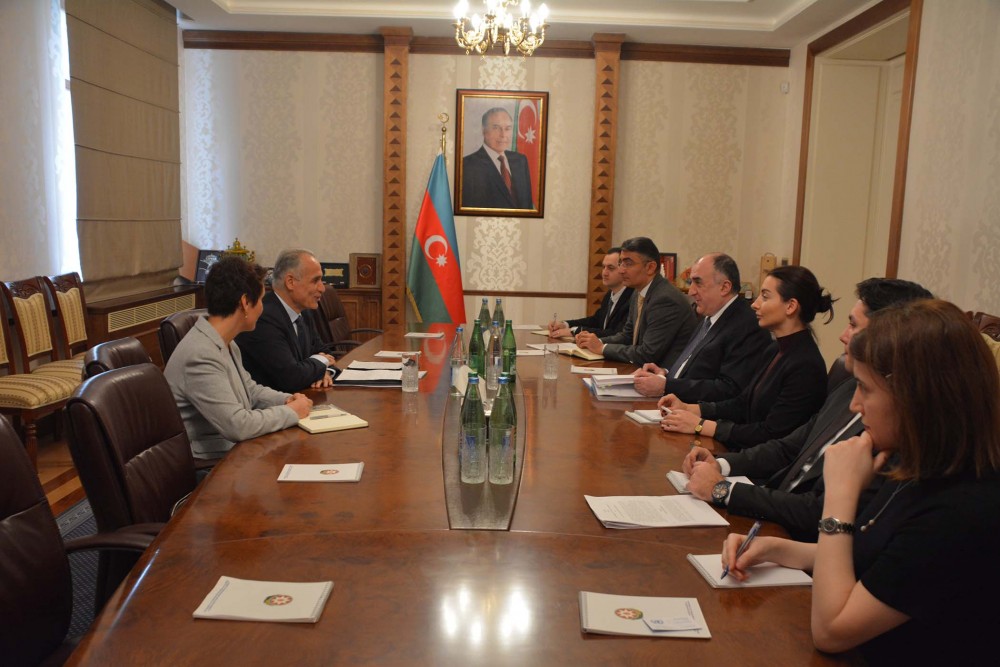 AZERBAIJAN, UN DISCUSS PARTNERSHIP RELATIONS
The Caucasus and Turkish-Armenian Relations
20.12.2018
AZERBAIJAN, UN DISCUSS PARTNERSHIP RELATIONS
The Caucasus and Turkish-Armenian Relations
20.12.2018
- EX-PRESIDENT'S DAMNING INTERVIEW CAUSES STORM IN ROMANIA The Balkans 20.12.2018
- ARMENIAN APOSTOLIC CHURCH APPOINTS FIRST-EVER REPRESENTATIVE IN ROME The Caucasus and Turkish-Armenian Relations 20.12.2018
-
25.01.2016
THE ARMENIAN QUESTION - BASIC KNOWLEDGE AND DOCUMENTATION -
12.06.2024
THE TRUTH WILL OUT -
27.03.2023
RADİKAL ERMENİ UNSURLARCA GERÇEKLEŞTİRİLEN MEZALİMLER VE VANDALİZM -
17.03.2023
PATRIOTISM PERVERTED -
23.02.2023
MEN ARE LIKE THAT -
03.02.2023
BAKÜ-TİFLİS-CEYHAN BORU HATTININ YAŞANAN TARİHİ -
16.12.2022
INTERNATIONAL SCHOLARS ON THE EVENTS OF 1915 -
07.12.2022
FAKE PHOTOS AND THE ARMENIAN PROPAGANDA -
07.12.2022
ERMENİ PROPAGANDASI VE SAHTE RESİMLER -
01.01.2022
A Letter From Japan - Strategically Mum: The Silence of the Armenians -
01.01.2022
Japonya'dan Bir Mektup - Stratejik Suskunluk: Ermenilerin Sessizliği -
03.06.2020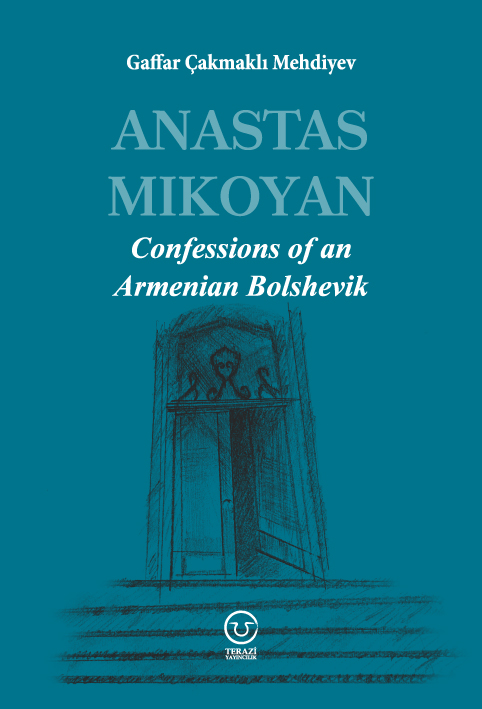
Anastas Mikoyan: Confessions of an Armenian Bolshevik -
08.04.2020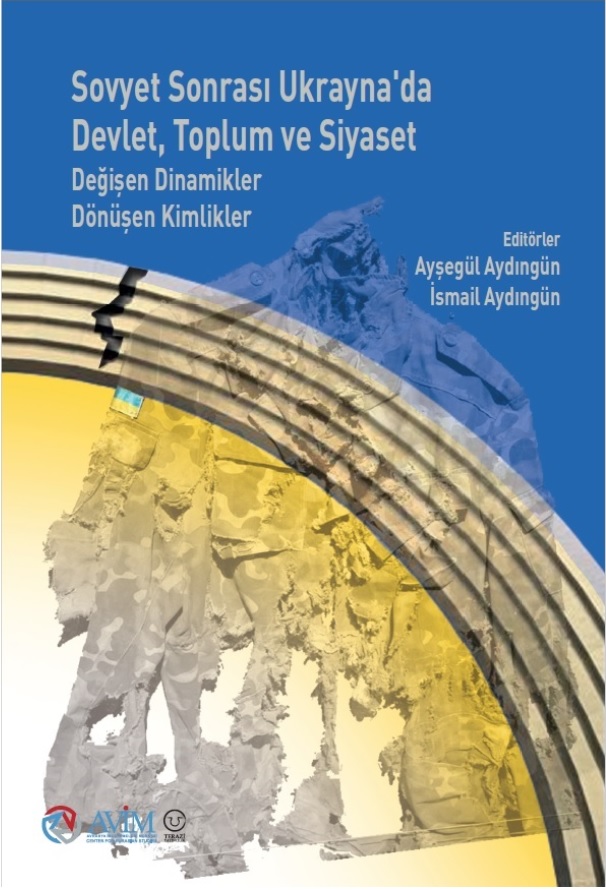
Sovyet Sonrası Ukrayna’da Devlet, Toplum ve Siyaset - Değişen Dinamikler, Dönüşen Kimlikler -
12.06.2018
Ermeni Sorunuyla İlgili İngiliz Belgeleri (1912-1923) - British Documents on Armenian Question (1912-1923) -
02.12.2016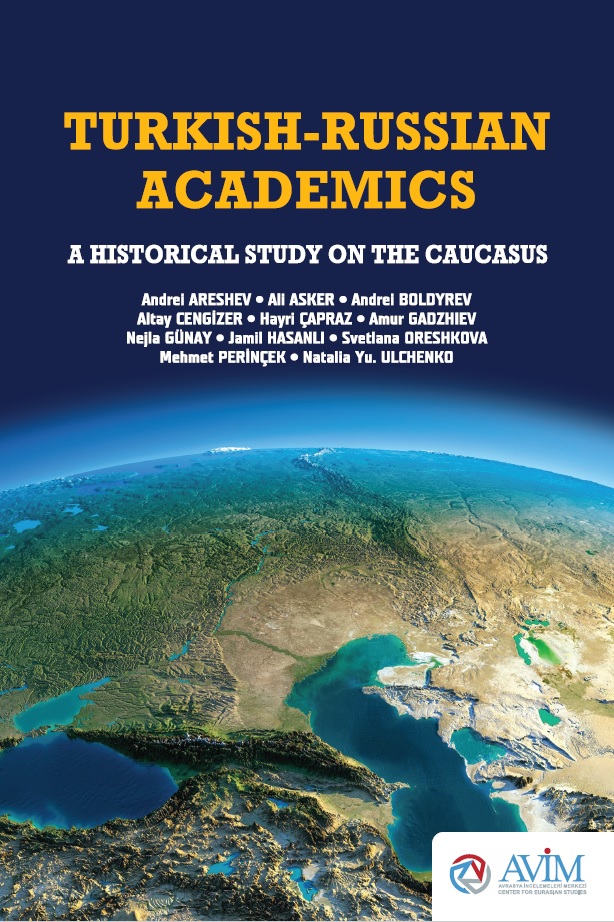
Turkish-Russian Academics: A Historical Study on the Caucasus -
01.07.2016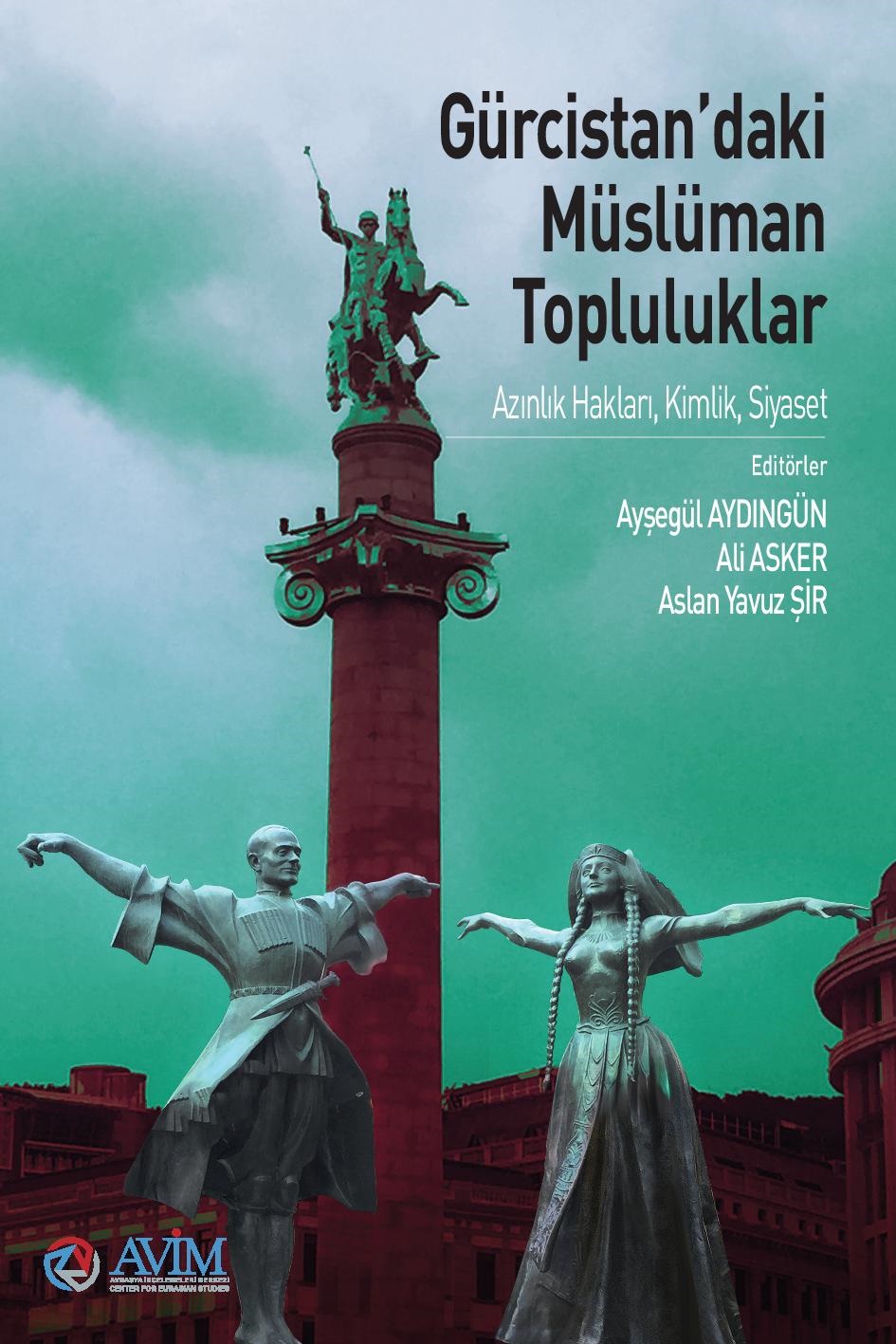
Gürcistan'daki Müslüman Topluluklar: Azınlık Hakları, Kimlik, Siyaset -
10.03.2016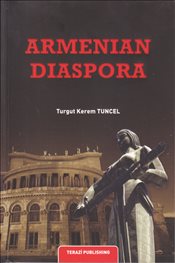
Armenian Diaspora: Diaspora, State and the Imagination of the Republic of Armenia -
24.01.2016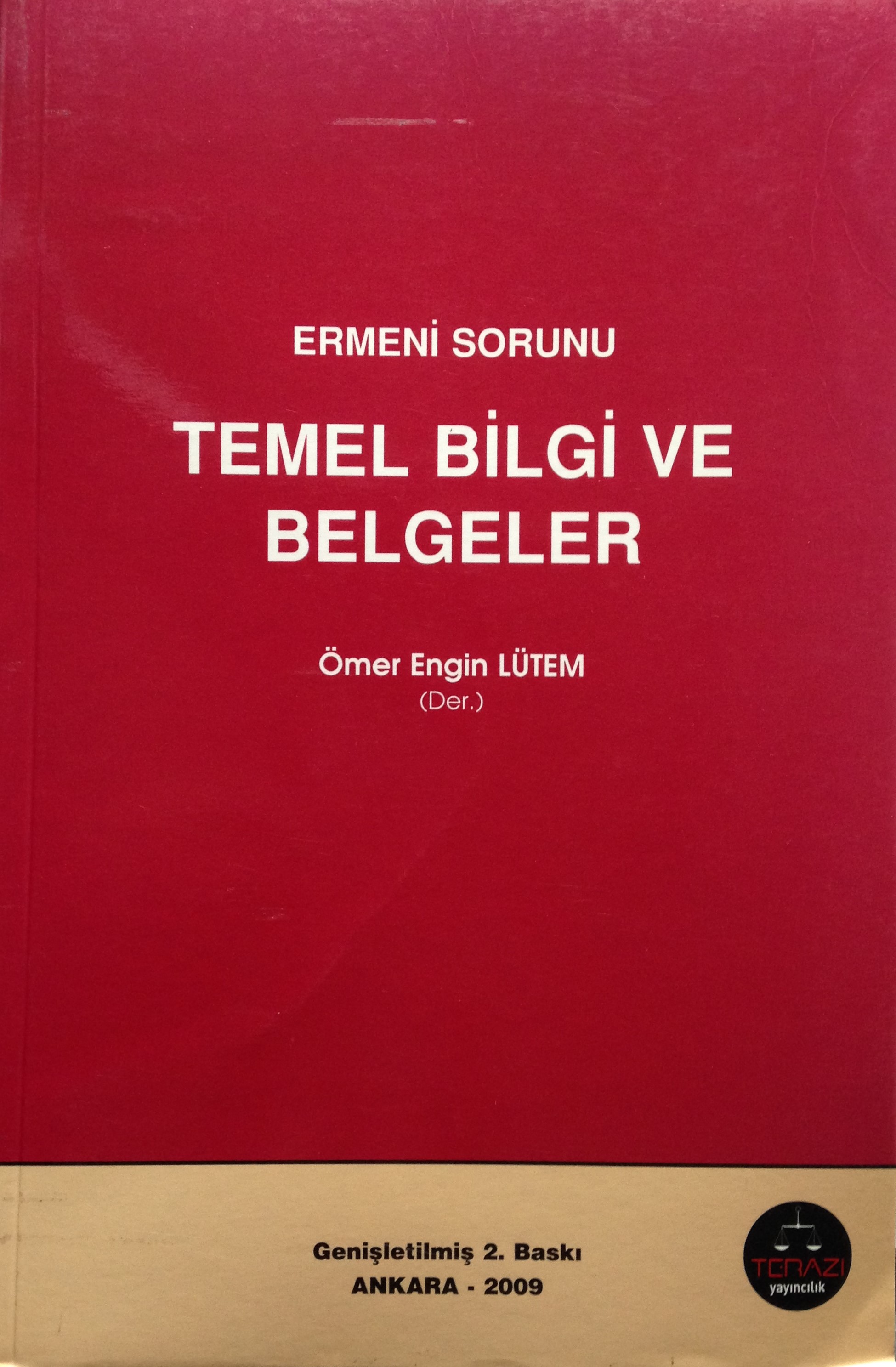
ERMENİ SORUNU - TEMEL BİLGİ VE BELGELER (2. BASKI)
-
AVİM Conference Hall 24.01.2023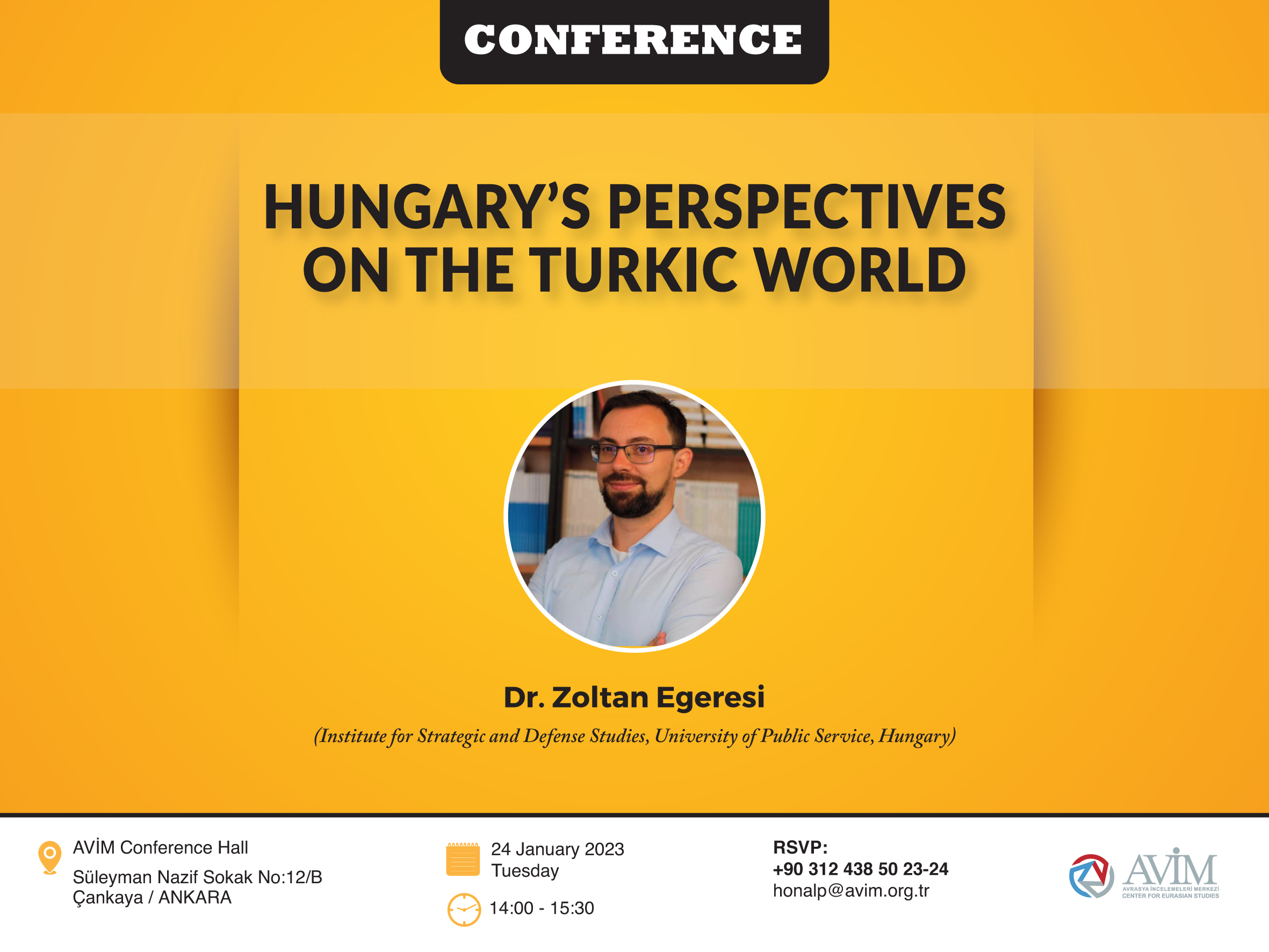
CONFERENCE TITLED “HUNGARY’S PERSPECTIVES ON THE TURKIC WORLD"