

















By AZIZ AHMAD
Wall Street Journal, Aug. 18, 2016
The U.S. presidential race is ramping up, and with it have come declarations and promises. But solutions from Donald Trump and Hillary Clinton for solving the turmoil in the Middle East and the war on Islamic State won’t succeed unless the U.S. untangles the region’s webs of alliances and enmities and recognizes America’s true friends.
It’s a task that will require the immediate attention of the next president, and the candidates should already be monitoring developments, especially recent deadly clashes between Kurdish Peshmerga forces and Iraqi Shiite paramilitaries, as well as the renewed conflict in Turkey. These events underline what Washington prefers to ignore: U.S. allies in the Middle East are training their guns on each other, and this could unravel the fragile global coalition against Islamic State.
Iraqi Kurdistan has been a longstanding and reliable ally of the U.S. The friendship began in the aftermath of the 1991 Gulf War after the U.S. imposed a no-fly zone in the region. Washington was short on friends in Baghdad, Damascus and Tehran, but Iraqi Kurds, grateful for their rescue from Saddam Hussein’s genocidal intentions, readily embraced America.
Since then, the Iraqi Kurds have proved themselves to be staunch allies and a stabilizing force in their neighborhood, helping to defuse conflicts. Now, however, the Kurds are locked between American allies unfriendly toward Kurdish aspirations of independence and their growing ties with the U.S. military.
Attacks against Kurdish territory aren’t new. Violent spillovers from the perpetual conflict to the north between Turkey and the Kurdistan Workers’ Party (PKK) have led to cross-border campaigns inside Iraqi Kurdistan. The conflict, which has claimed more than 40,000 lives, was ended in 2013 thanks to a peace process pushed by Kurdish President Masoud Barzani, only to unravel in 2015, leading to renewed bloodshed and the displacement of thousands.
Further exacerbating tensions are the Iraqi Shiite militias that, backed by Iran and under the cover of U.S. warplanes, have cleared significant territory from Islamic State. Their deployment to areas that the Kurds have already retaken from Islamic State has led to clashes and the deaths of several Peshmerga. The recent shelling of Kurdish mountains by Iran under the pretext of targeting an indigenous Kurdish armed group has only caused added consternation.
Deadly clashes between nominal U.S. allies have also permeated beyond Iraq’s borders into Syria. There, the Kurdish People’s Defense Units (YPG) are America’s principal partners in the fight against Islamic State. Yet their direct affiliation with the PKK and coordination with Bashar Assad’s regime complicates a U.S.-backed effort to clear the remaining Islamic State-occupied area on the Turkish border. YPG’s destructive blockade against other Kurdish political factions is also preventing the return of thousands of experienced fighters eager to join the fight against Islamic State.
As Islamic State loses ground, historical enmities among various members of the anti-Islamic State coalition are resurfacing. The U.S. can salvage the relationships between its principal allies by re-engaging politically in the Middle East and recognizing there is no substitute for American leadership.
Given Turkey’s strong relationship with Iraqi Kurds, America should throw its weight behind both allies for an immediate cease fire and the return of both parties—PKK and Ankara—to talks in the Kurdish capital, Erbil. To prevent future clashes, PKK and its affiliates should respect Iraqi Kurdistan’s territory and obligations to good neighborly relations by withdrawing their forces.
The next administration should also include stability factors in its newfound detente with Iran and promote an equilibrium between regional powers. Alas, the widespread perception among U.S. allies is that the nuclear deal comes at the expense of regional security and long-term U.S. engagement.
In Iraq and Syria, there must be a political effort to ease Kurdish-Arab tensions and offer alternatives to YPG. U.S. military support to Iraqi groups should depend on their withdrawal from all areas cleared by the Peshmerga to prevent future clashes. Given the number of U.S. troops in Iraq, the next U.S. president ought to consider embedding advisers in these sensitive hotspots. In the long term, it is in America’s interest to support an independent Iraqi Kurdistan and allow it to play a greater role in defusing regional conflicts.
Meanwhile, in Syria, U.S. pressure on YPG can end the group’s draconian policies toward other Kurdish factions not inextricably linked to the PKK. The return of the battle-hardened Roj Brigade, made up of 3,000 Syrian Kurdish men and women based in Iraqi Kurdistan, will ensure a quicker defeat of Islamic State in northern Syria (Rojava) and offset unconditional U.S. support to YPG. It would also secure a broader Kurdish buy-in and, backed by PKK peace talks, potentially placate Turkish concerns about creating a contiguous area in Rojava analogous to Iraqi Kurdistan.
This would create a convergence between U.S. allies underpinned by common interests and ensure that Iraqi Kurdistan remains a beacon of stability.
No comments yet.
- TWENTY FIVE YEARS AGO THE USSR COLLAPSED Europe - EU 19.08.2016
-
 UN SECRETARY GENERAL RACE: AN INSIDER’S VIEW OF EASTERN EUROPE’S CHANCES
The Balkans
19.08.2016
UN SECRETARY GENERAL RACE: AN INSIDER’S VIEW OF EASTERN EUROPE’S CHANCES
The Balkans
19.08.2016
- THERE WILL BE NO ‘RESET’ WITH RUSSIA Asia - Pacific 19.08.2016
- KOSOVO URGES PARL'T TO RATIFY MONTENEGRO BORDER DEMARCATION AGREEMENT The Balkans 19.08.2016
- AMERICA LEAVES ITS ALLIES TO BATTLE EACH OTHER IN IRAQ Iraq 19.08.2016
-
25.01.2016
THE ARMENIAN QUESTION - BASIC KNOWLEDGE AND DOCUMENTATION -
12.06.2024
THE TRUTH WILL OUT -
27.03.2023
RADİKAL ERMENİ UNSURLARCA GERÇEKLEŞTİRİLEN MEZALİMLER VE VANDALİZM -
17.03.2023
PATRIOTISM PERVERTED -
23.02.2023
MEN ARE LIKE THAT -
03.02.2023
BAKÜ-TİFLİS-CEYHAN BORU HATTININ YAŞANAN TARİHİ -
16.12.2022
INTERNATIONAL SCHOLARS ON THE EVENTS OF 1915 -
07.12.2022
FAKE PHOTOS AND THE ARMENIAN PROPAGANDA -
07.12.2022
ERMENİ PROPAGANDASI VE SAHTE RESİMLER -
01.01.2022
A Letter From Japan - Strategically Mum: The Silence of the Armenians -
01.01.2022
Japonya'dan Bir Mektup - Stratejik Suskunluk: Ermenilerin Sessizliği -
03.06.2020
Anastas Mikoyan: Confessions of an Armenian Bolshevik -
08.04.2020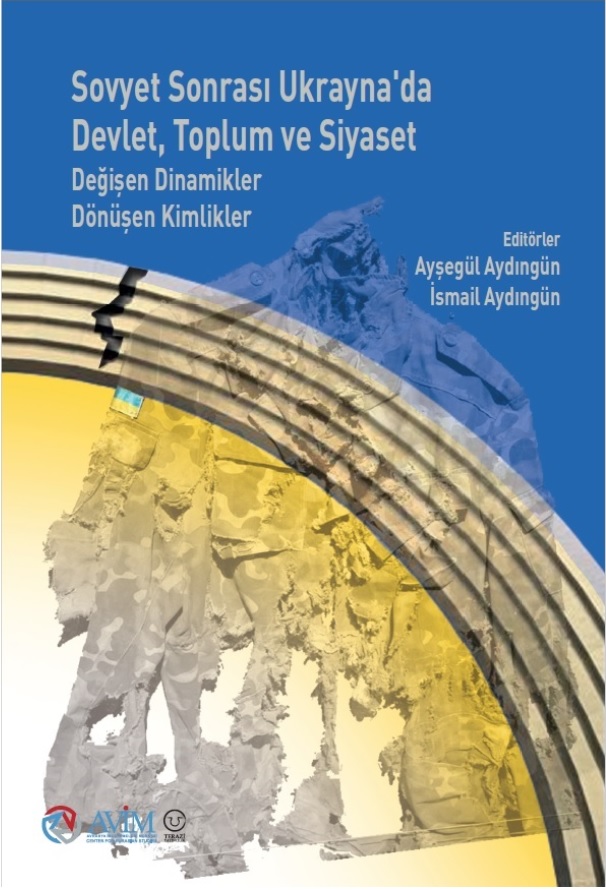
Sovyet Sonrası Ukrayna’da Devlet, Toplum ve Siyaset - Değişen Dinamikler, Dönüşen Kimlikler -
12.06.2018
Ermeni Sorunuyla İlgili İngiliz Belgeleri (1912-1923) - British Documents on Armenian Question (1912-1923) -
02.12.2016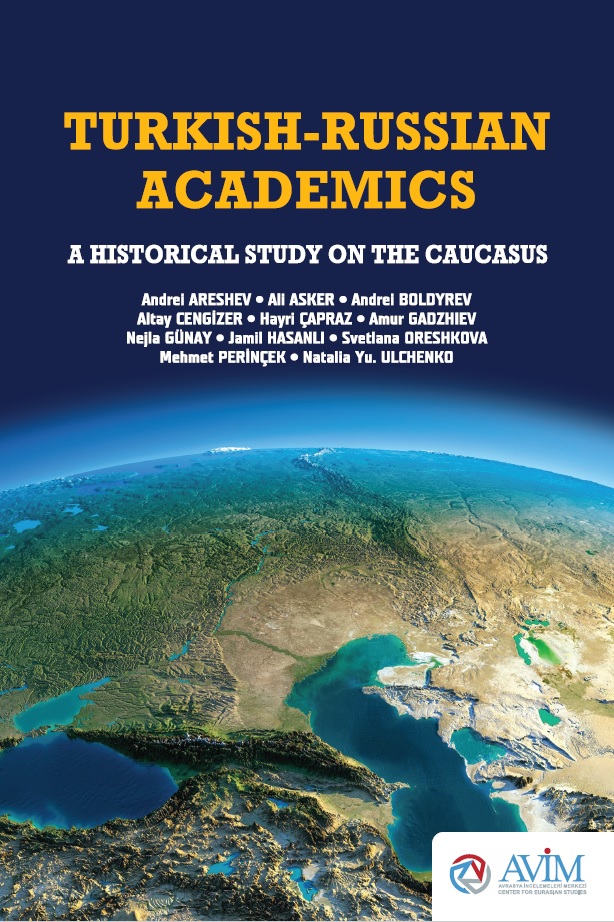
Turkish-Russian Academics: A Historical Study on the Caucasus -
01.07.2016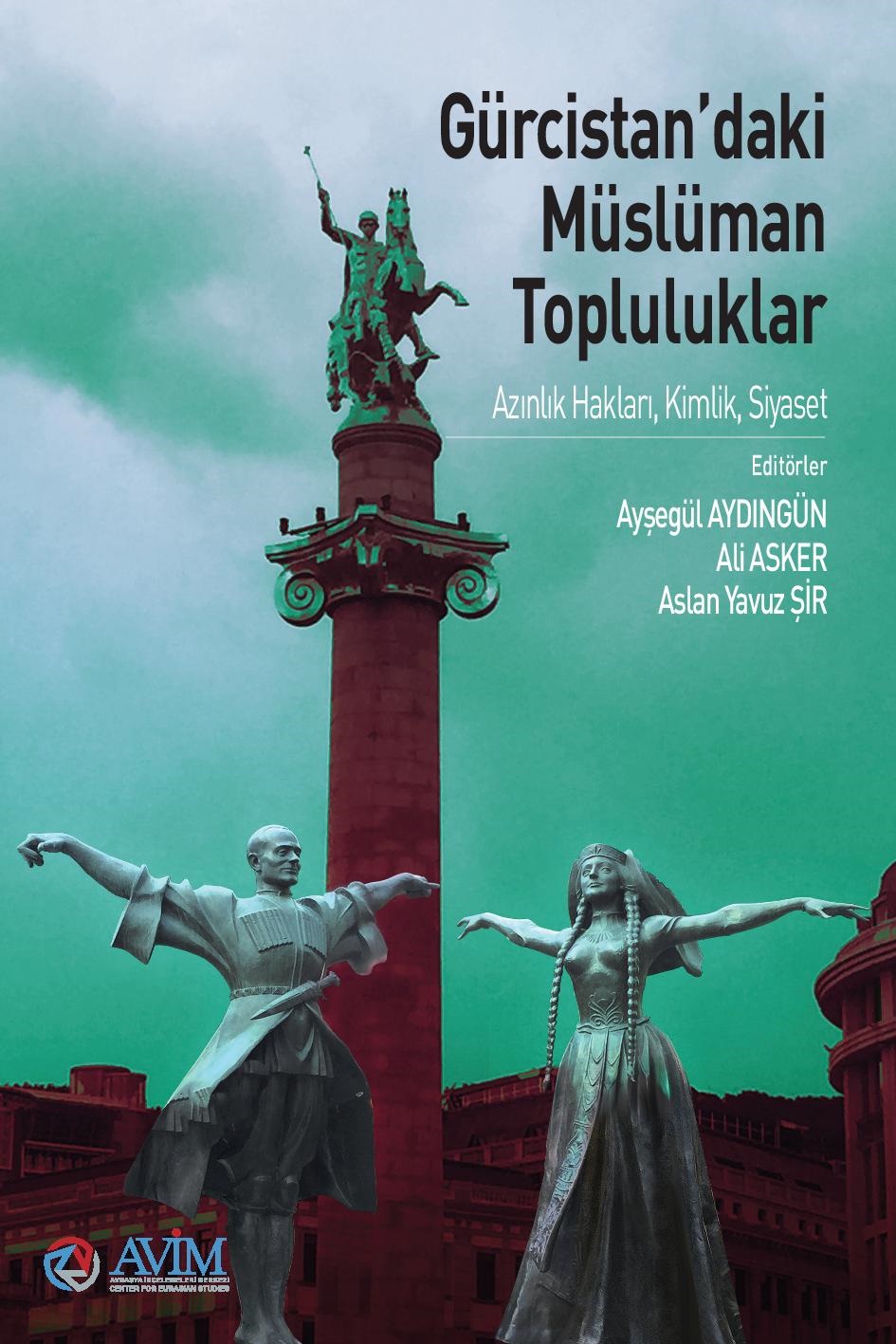
Gürcistan'daki Müslüman Topluluklar: Azınlık Hakları, Kimlik, Siyaset -
10.03.2016
Armenian Diaspora: Diaspora, State and the Imagination of the Republic of Armenia -
24.01.2016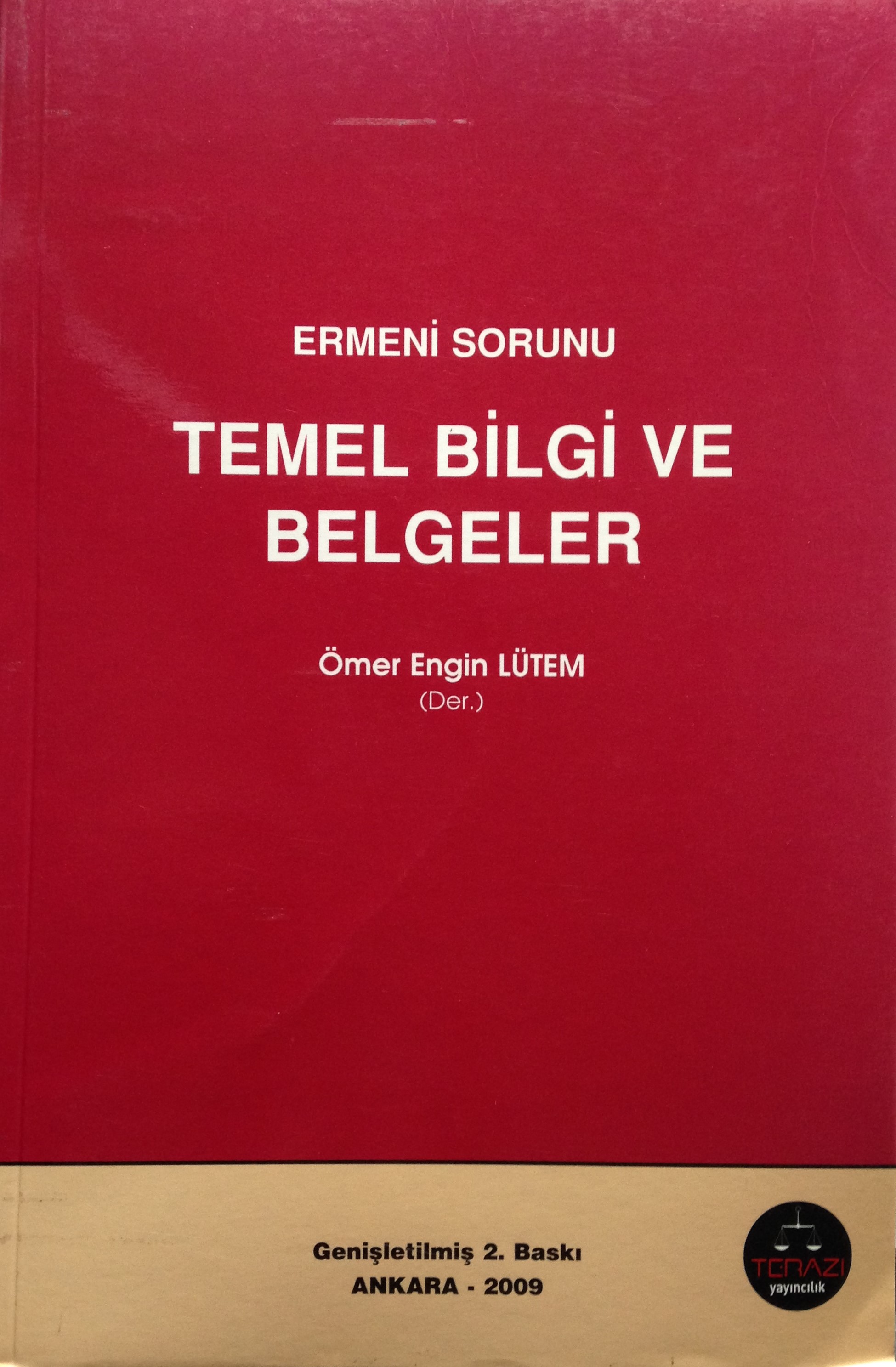
ERMENİ SORUNU - TEMEL BİLGİ VE BELGELER (2. BASKI)
-
AVİM Conference Hall 24.01.2023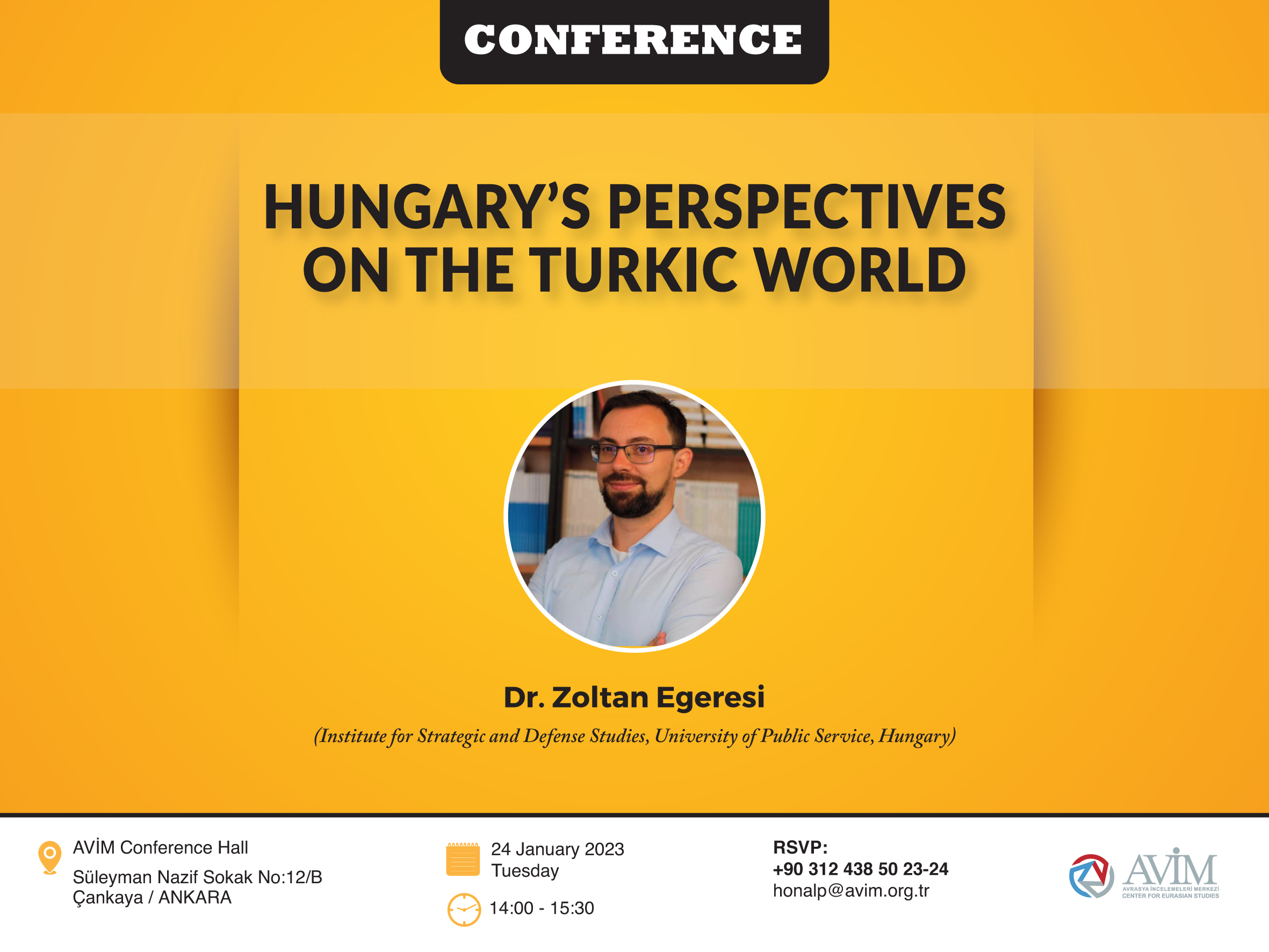
CONFERENCE TITLED “HUNGARY’S PERSPECTIVES ON THE TURKIC WORLD"