

















AP (7 January 2020)
The U.S. strike that killed Iran’s top military commander may have had an indirect casualty: a diplomatic solution to denuclearizing North Korea.
Experts say the escalation of tensions between Washington and Tehran will diminish already fading hopes for such an outcome and inspire North Korea’s decision-makers to tighten their hold on the weapons they see, perhaps correctly, as their strongest guarantee of survival.
North Korea’s initial reaction to the killing of Gen. Qassem Soleimani has been cautious. The country’s state media was silent for several days before finally on Monday issuing a brief report on the attack that didn’t even mention Soleimani’s name.
The Korean Central News Agency report didn’t publish any direct criticism by Pyongyang toward Washington, instead simply saying that China and Russia had denounced the United States over last week’s airstrike at the airport in Baghdad.
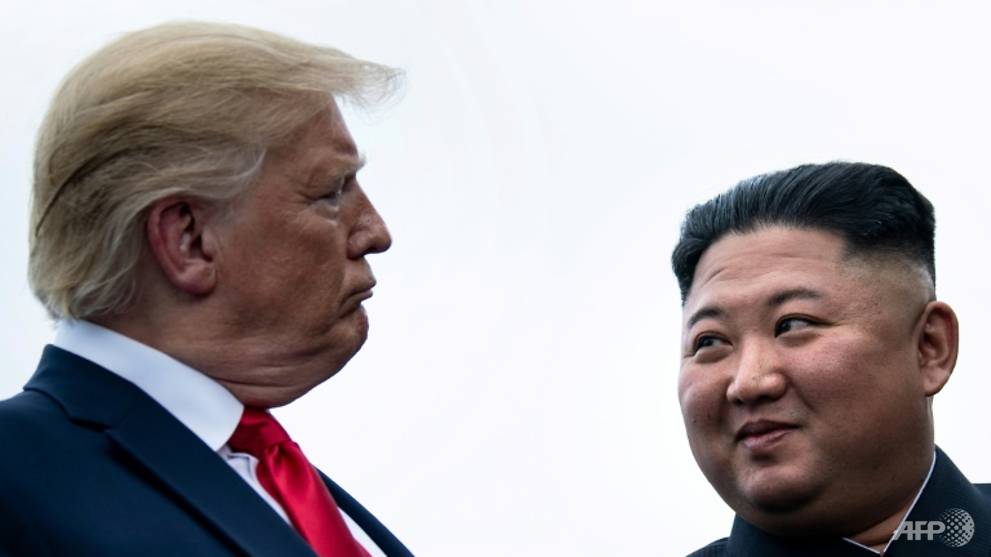
The North’s negotiations with the U.S. have been at a stalemate since last February, when a summit between leader Kim Jong Un and President Donald Trump collapsed over disagreements about exchanging sanctions relief for nuclear disarmament. The North has recently pointed to that lack of progress and hinted it may resume tests of nuclear bombs and intercontinental ballistic missiles.
While the killing of Soleimani may give Pyongyang pause about provoking the Trump administration in such a way, the North ultimately is likely to use the strike to further legitimize its stance that it needs to bolster its nuclear arsenal as a deterrent against American aggression.
The North has often pointed to the demises of Iraqi leader Saddam Hussein and Libyan leader Moammar Gadhafi while justifying its nuclear development, saying they would still be alive and in power had they successfully obtained nuclear weapons and didn’t surrender them to the U.S.
Solemani’s name will soon be mentioned with them too, said Koh Yu-hwan, a North Korea expert at Dongguk University.
“North Korea would say that the ‘imperialist’ nature of the United States would never change, and that there is no other option for them other than to strengthen its nuclear deterrent while bracing for long-term confrontation,” said Koh, an adviser to current South Korean President Moon Jae-in.
It’s clear Pyongyang has been closely watching the developments between Washington and Tehran since the Trump administration in May 2018 abandoned a nuclear agreement Iran reached with world powers in 2015.
Read more at: https://apnews.com/b6b5f79d170628a0db384f9374ca983f
No comments yet.
- EU SILENT ON TRUMP THREAT TO HIT IRAN CULTURAL SITES Europe - EU 07.01.2020
- CHEVRON PULLS OIL WORKERS FROM IRAQ Iraq 07.01.2020
-
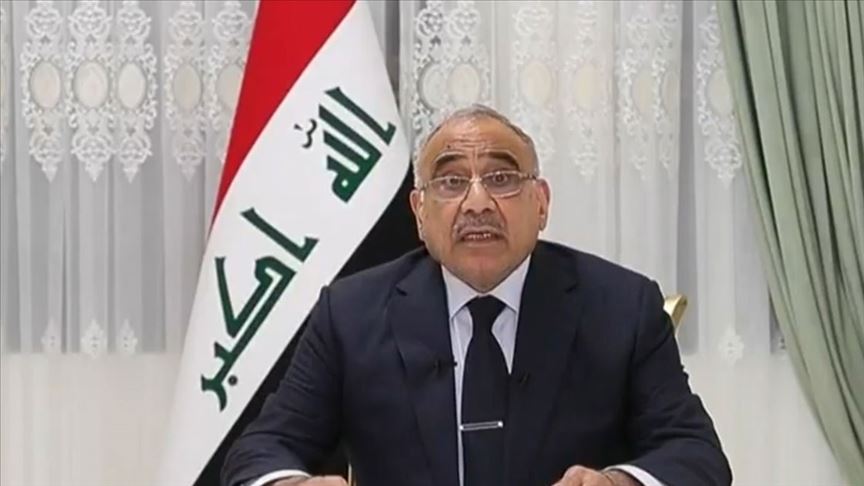 DESPITE U.S.-IRAQ FEUD, IRAQI PRIME MINISTER PRIVATELY MULLS DELAY OF U.S. TROOP DEPARTURE
Iraq
07.01.2020
DESPITE U.S.-IRAQ FEUD, IRAQI PRIME MINISTER PRIVATELY MULLS DELAY OF U.S. TROOP DEPARTURE
Iraq
07.01.2020
-
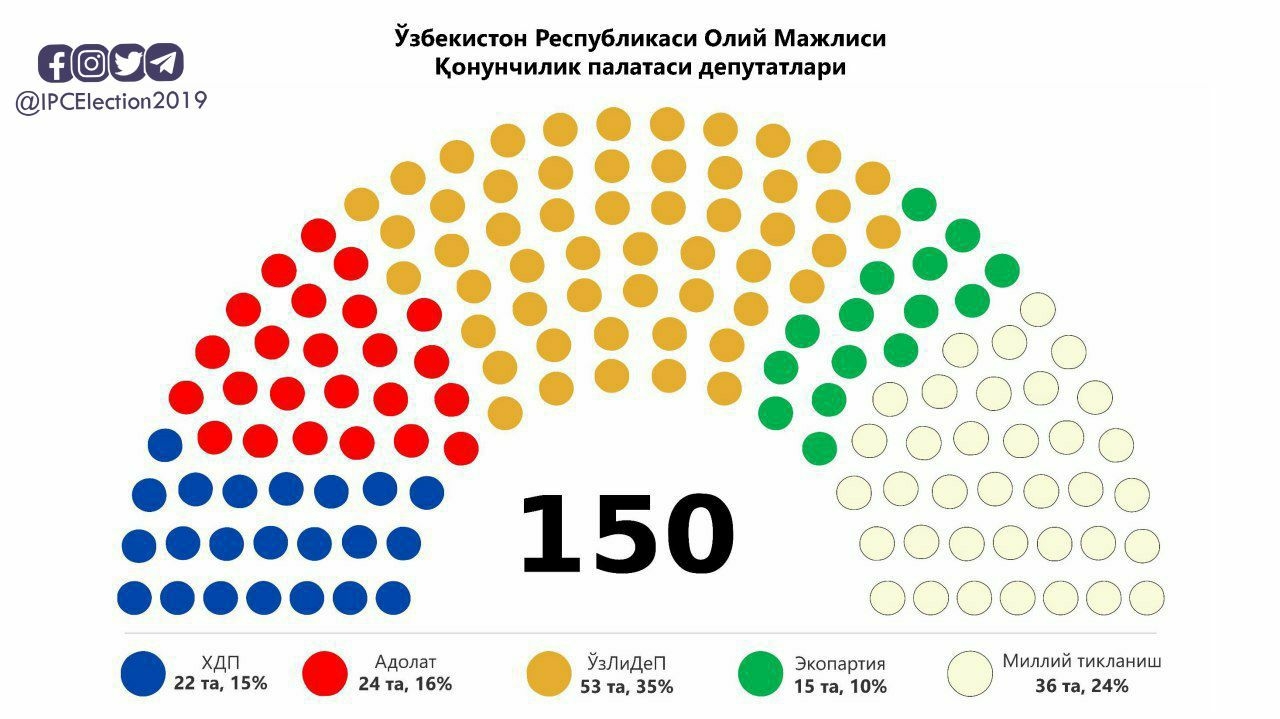 UZBEKISTAN: LITTLE CHANGE IN PARLIAMENT, BUT MORE WOMEN REPRESENTED
Central Asia
07.01.2020
UZBEKISTAN: LITTLE CHANGE IN PARLIAMENT, BUT MORE WOMEN REPRESENTED
Central Asia
07.01.2020
- AZERBAIJAN`S DEFENSE MINISTRY: ARMENIAN ARMED UNITS VIOLATED CEASEFIRE 22 TIMES The Caucasus and Turkish-Armenian Relations 07.01.2020
-
25.01.2016
THE ARMENIAN QUESTION - BASIC KNOWLEDGE AND DOCUMENTATION -
12.06.2024
THE TRUTH WILL OUT -
27.03.2023
RADİKAL ERMENİ UNSURLARCA GERÇEKLEŞTİRİLEN MEZALİMLER VE VANDALİZM -
17.03.2023
PATRIOTISM PERVERTED -
23.02.2023
MEN ARE LIKE THAT -
03.02.2023
BAKÜ-TİFLİS-CEYHAN BORU HATTININ YAŞANAN TARİHİ -
16.12.2022
INTERNATIONAL SCHOLARS ON THE EVENTS OF 1915 -
07.12.2022
FAKE PHOTOS AND THE ARMENIAN PROPAGANDA -
07.12.2022
ERMENİ PROPAGANDASI VE SAHTE RESİMLER -
01.01.2022
A Letter From Japan - Strategically Mum: The Silence of the Armenians -
01.01.2022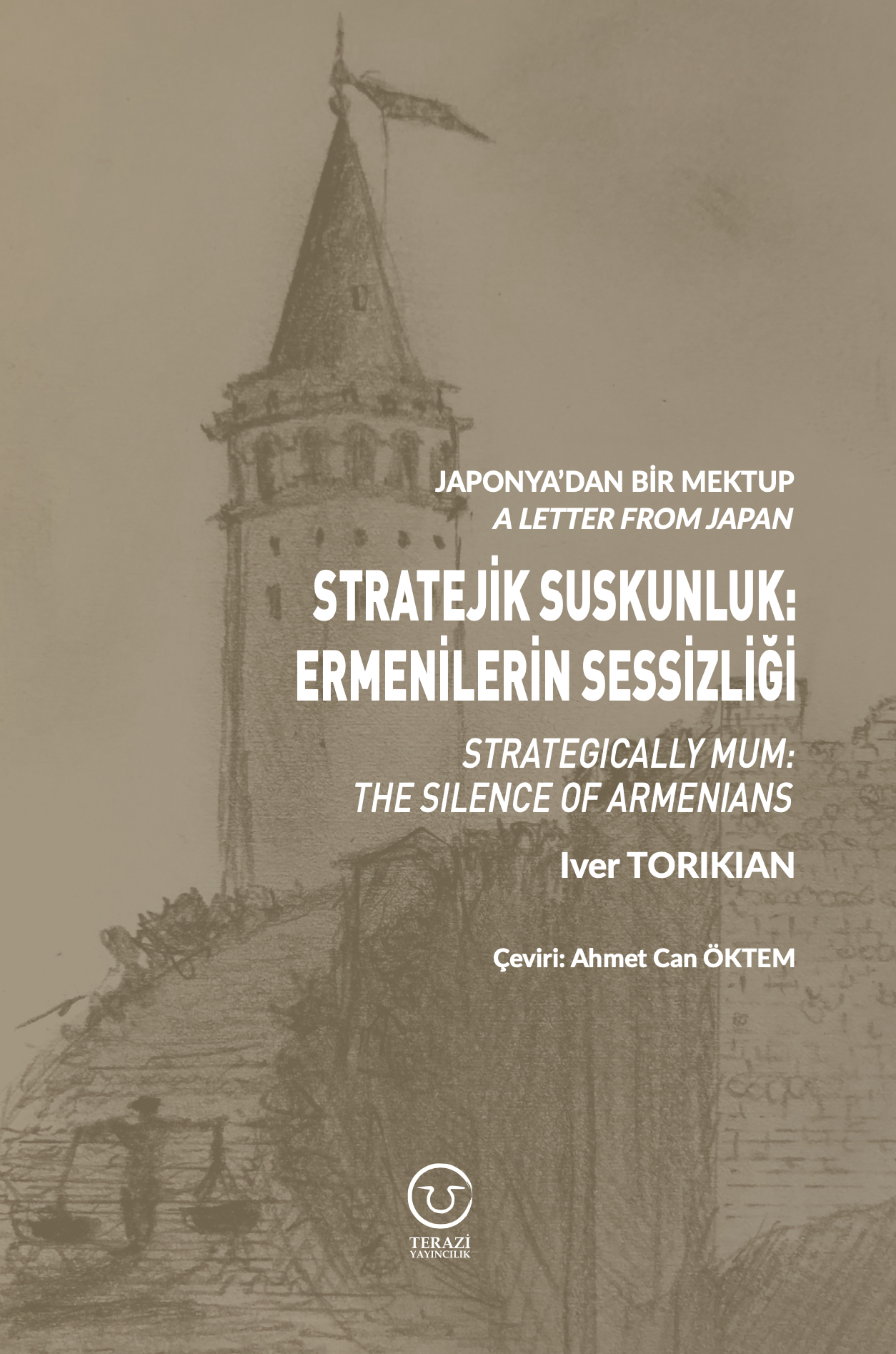
Japonya'dan Bir Mektup - Stratejik Suskunluk: Ermenilerin Sessizliği -
03.06.2020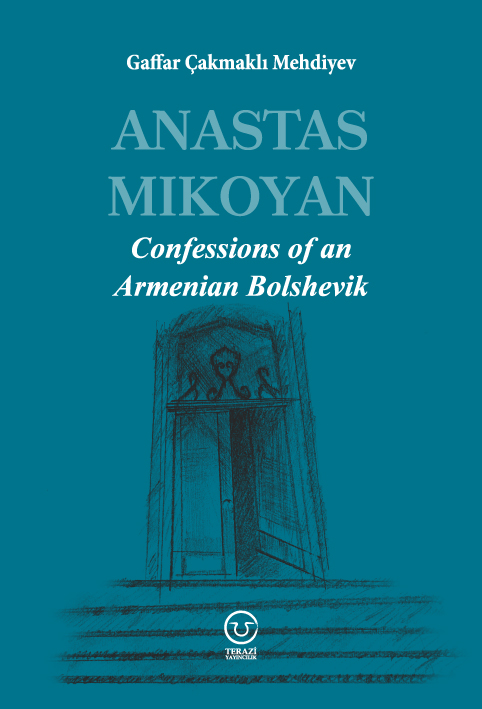
Anastas Mikoyan: Confessions of an Armenian Bolshevik -
08.04.2020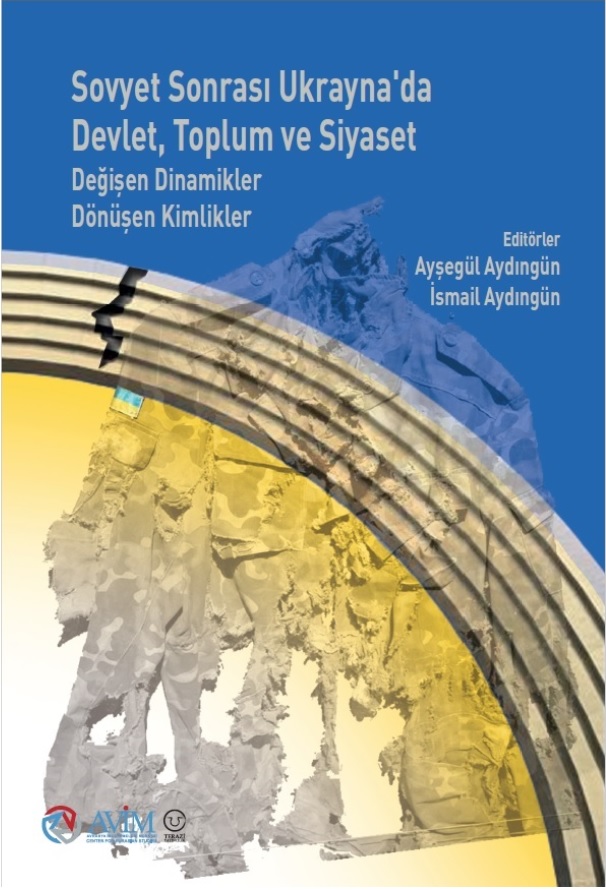
Sovyet Sonrası Ukrayna’da Devlet, Toplum ve Siyaset - Değişen Dinamikler, Dönüşen Kimlikler -
12.06.2018
Ermeni Sorunuyla İlgili İngiliz Belgeleri (1912-1923) - British Documents on Armenian Question (1912-1923) -
02.12.2016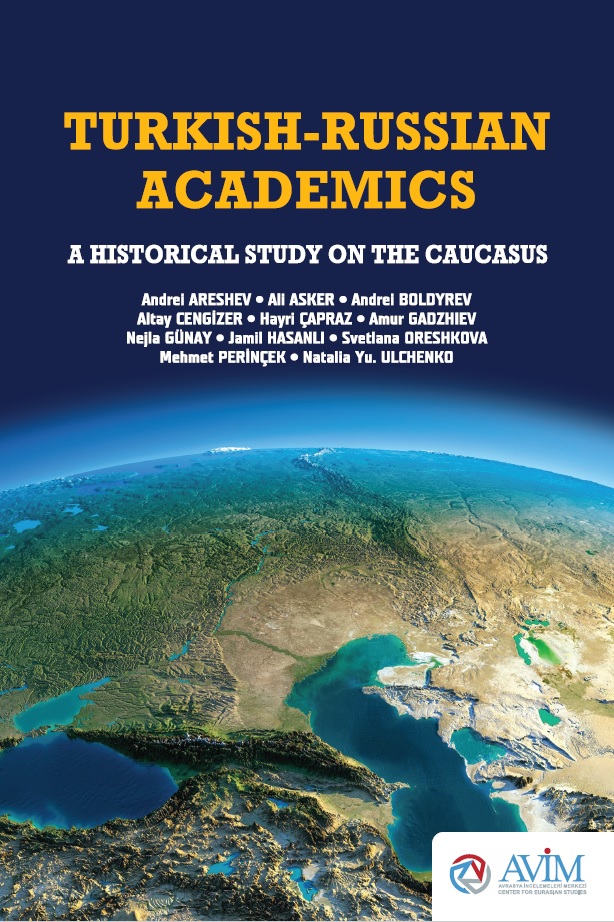
Turkish-Russian Academics: A Historical Study on the Caucasus -
01.07.2016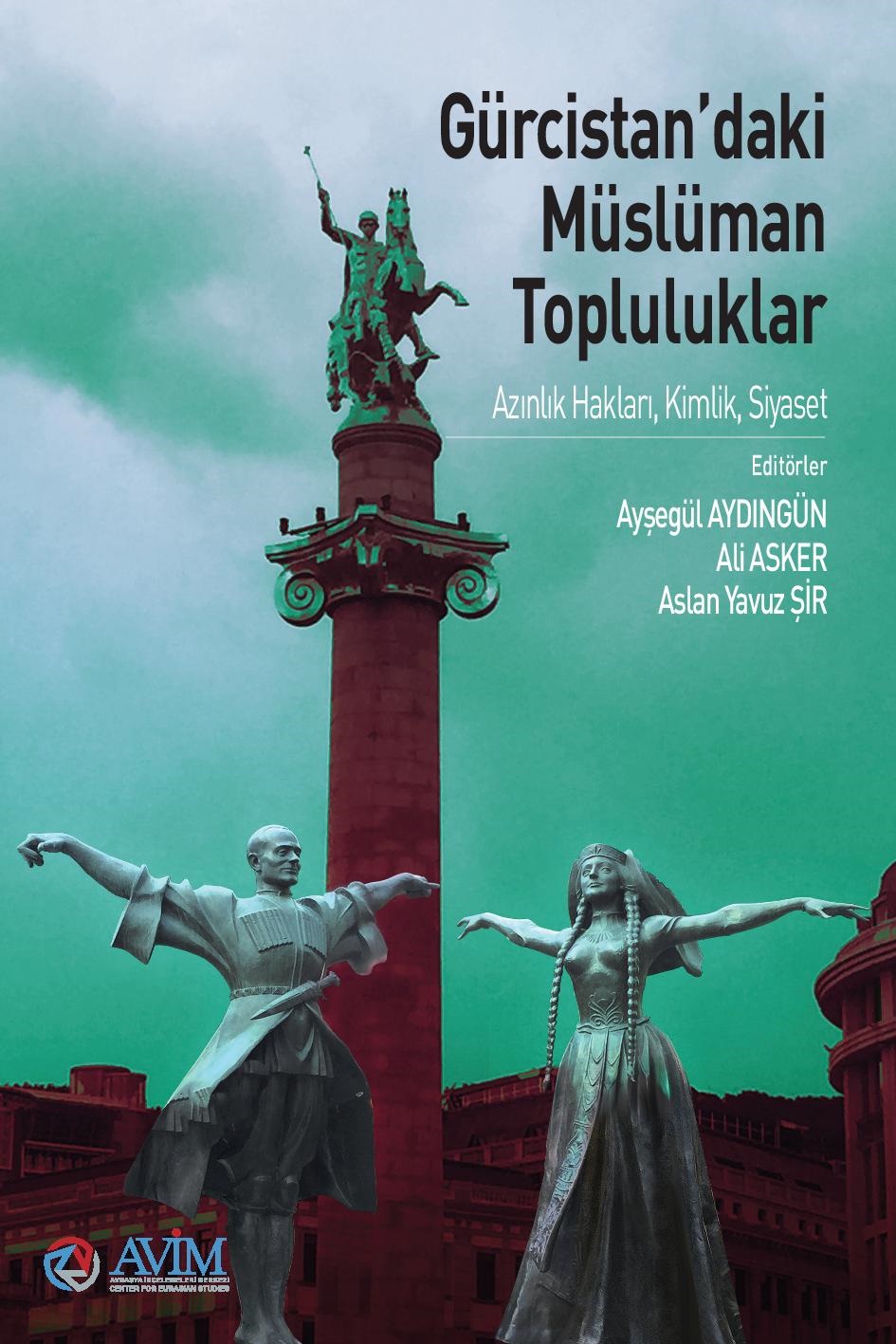
Gürcistan'daki Müslüman Topluluklar: Azınlık Hakları, Kimlik, Siyaset -
10.03.2016
Armenian Diaspora: Diaspora, State and the Imagination of the Republic of Armenia -
24.01.2016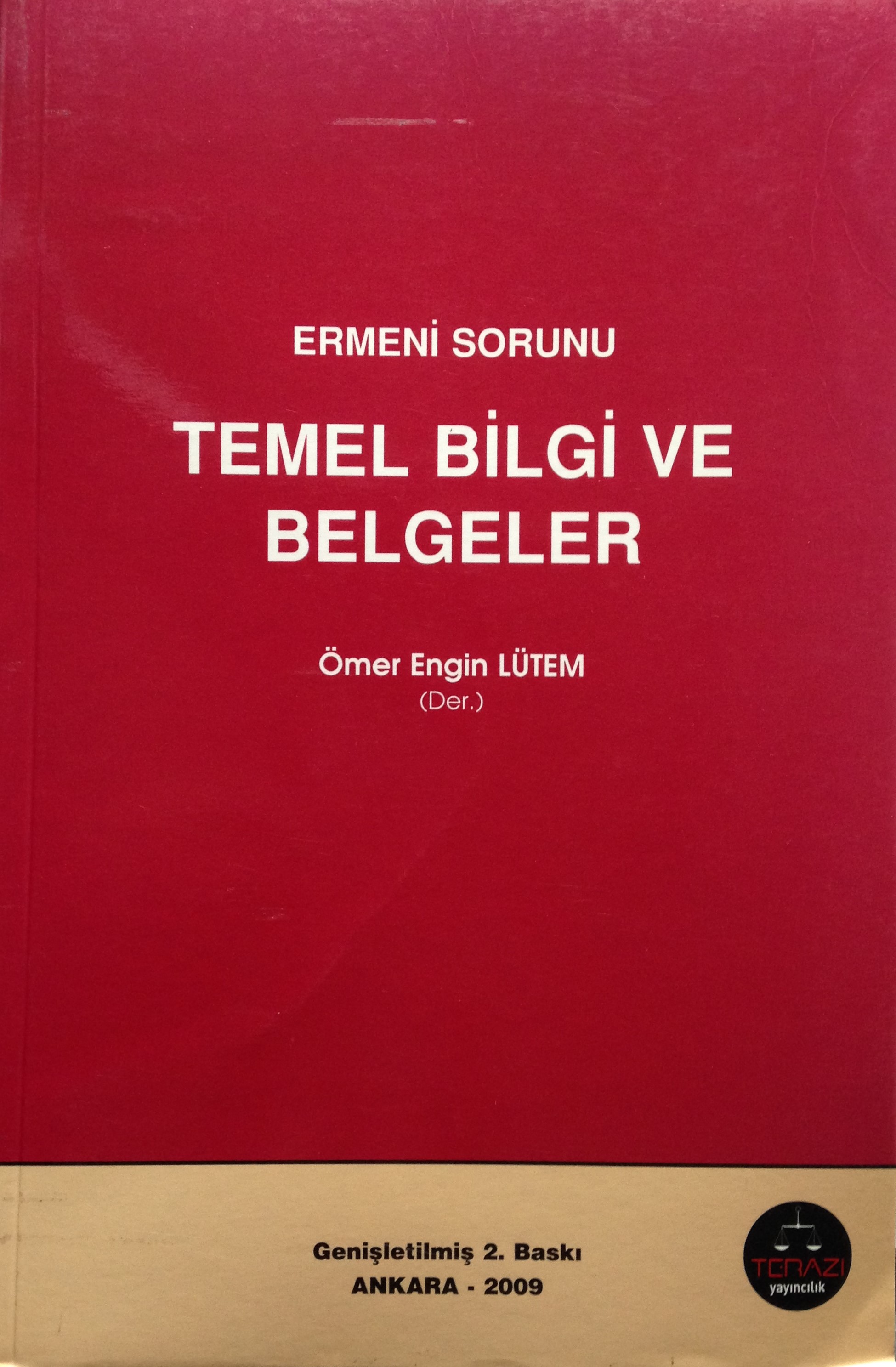
ERMENİ SORUNU - TEMEL BİLGİ VE BELGELER (2. BASKI)
-
AVİM Conference Hall 24.01.2023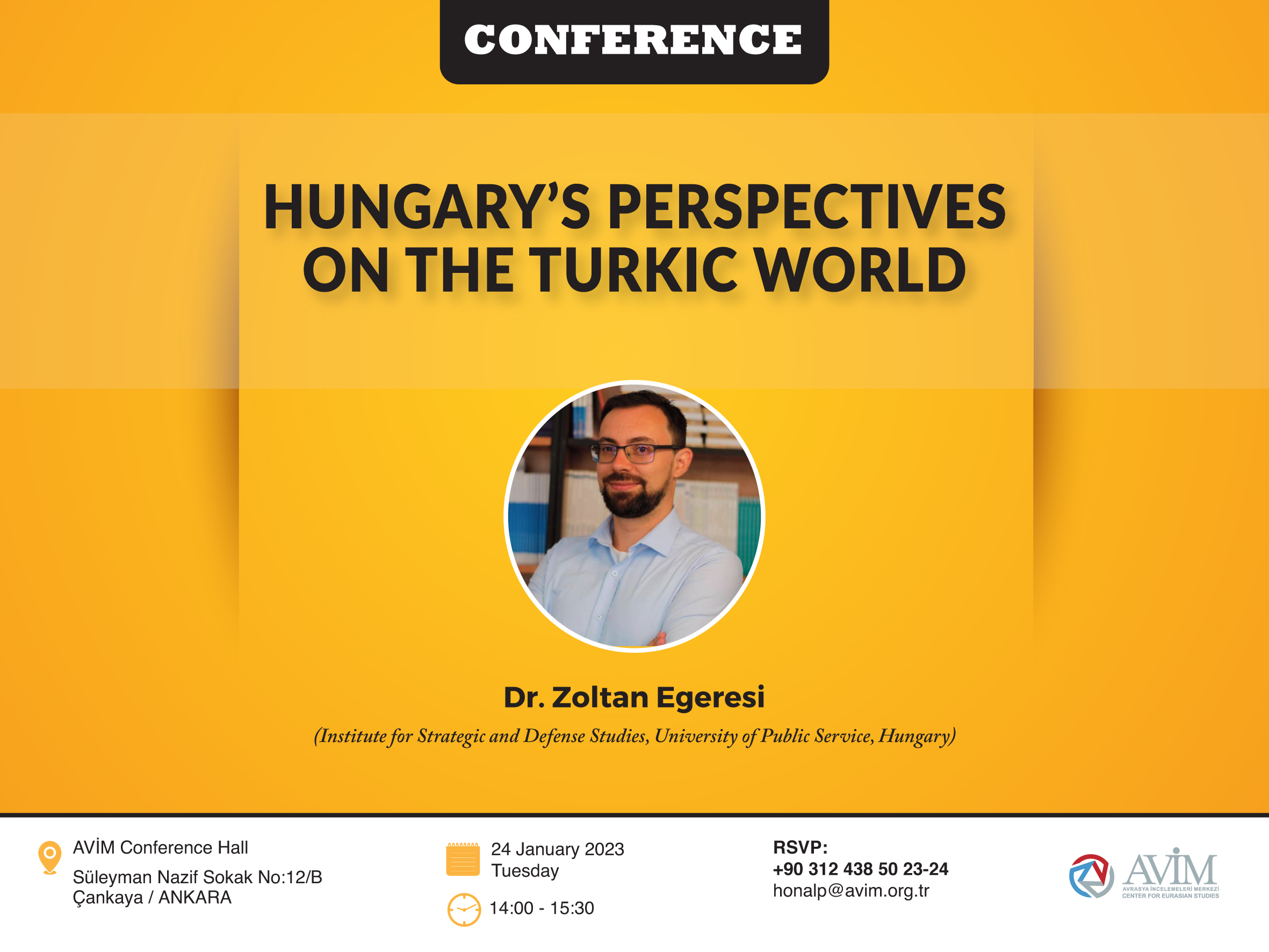
CONFERENCE TITLED “HUNGARY’S PERSPECTIVES ON THE TURKIC WORLD"