















09.12.2016
EurActiv
A quarter of a century after the summit in the Dutch town of Maastricht that gave birth to the euro, the EU will mark the anniversary today (9 December) with little fanfare as it battles a wave of crises.
Facing Brexit, rising populism and never-ending problems with the single currency, the European Union is holding only a low-key event with speeches by top figures including Jean-Claude Juncker.
It is all a far cry from the actual historic December 9, 1991 meeting when figures like Germany’s Helmut Kohl and France’s Francois Mitterrand hammered out a huge leap in European integration.
While bigger events are planned to celebrate the actual signing of the Maastricht treaty on February 7, 1992, Friday’s muted event there shows how the bloc is beset by self-doubt.
“After Rome, the Treaty of Maastricht is the most important treaty in the history of the European Union,” Juncker said in an interview with the organisers published earlier this week.
FOUR POSSIBLE SCENARIOS FOR THE EU IN 2023, 30 YEARS AFTER MAASTRICHT
Unprecedented challenges are shaking up the European project and four distinct scenarios are possible for the future, writes Erik Peterson.
EurActiv.com
Juncker – who was Luxembourg finance minister at the time and is the only original participant in the Maastricht summit who is still politically active – in theory has a double cause to party as Friday is his 62nd birthday.
European Parliament chief Martin Schulz and Eurogroup boss Jeroen Dijsselbloem – the Netherlands finance minister who leads his 19 counterparts from the eurozone – are also due to speak.
The Maastricht Treaty certainly had its teething problems, being ratified by a whisker in a referendum in France and then rejected by Denmark until the country won special opt-outs, and finally entering into force in November 1993.
Yet it was a huge step forward for the post-war project to unify the continent, officially turning a 12-member European Community founded by the Treaty of Rome in 1957 into the European Union.
‘Still suffering’
The summit in the small town near the Belgian and German borders also laid the ground for the European single currency, which finally took physical form on January 1, 2002, as the euro.
But Maastricht was also a sign of things to come. Britain opted out of the ‘social chapter’ concerning workers rights, the first of many splits with the rest of the EU that culminated in this year’s June 23 Brexit referendum vote.
“The treaty certainly wasn’t perfect,” said Julian Rappold of the German think-tank DGAP.
With the EU now consisting of 28 very different members from across Europe and eurosceptic populists riding high in the polls, finding unity seems a tougher proposition than ever.
Juncker however said Maastricht’s failing was too little integration, not too much.
“I do still regret that we did not intensify the effort to have a real coordination of economic, budgetary and fiscal policies,” he told the Dutch organisers of Friday’s event.
“The fact is if you have the same currency, you have to be committed to the same fate, and the same fate means that you have to coordinate, if not to harmonise different dimensions of your national political behaviour.
“We didn’t do that at that time and we are still suffering from that weakness.”
With Britain’s departure expected in 2019, the remaining 27 are now trying to push forward new ideas for Europe including defence cooperation in recognition that the bloc is in crisis.
But with elections looming in France and Germany in 2017 many of those changes will have to wait, with doubts over the EU’s survival leading many to wonder if they will ever happen at all.
DECISION-MAKING AND DISARRAY IN THE EU
The EU’s complex bureaucracy has prevented it from dealing with crises effectively, writes Antonia Colibasanu.
EurActiv.com
No comments yet.
- IRAQI TROOPS PULL OUT FROM MOSUL HOSPITAL AFTER FIERCE BATTLE Iraq 09.12.2016
- RUSSIA IS SELLING A BIG CHUNK OF THIS STATE-CONTROLLED OIL GIANT Asia - Pacific 09.12.2016
- RUSSIA OUTPERFORMING US IN BUILDING 'STRATEGIC MILITARY TIES' WITH TURKEY Asia - Pacific 09.12.2016
- "COMMITMENT TO EU INTEGRATION, REGIONAL STABILITY" The Balkans 09.12.2016
- MIGRANT BOATS BOUND FOR EU SHOULD BE 'SHOT AT,' SAYS DANISH POLITICIAN Europe - EU 09.12.2016
-
25.01.2016
THE ARMENIAN QUESTION - BASIC KNOWLEDGE AND DOCUMENTATION -
12.06.2024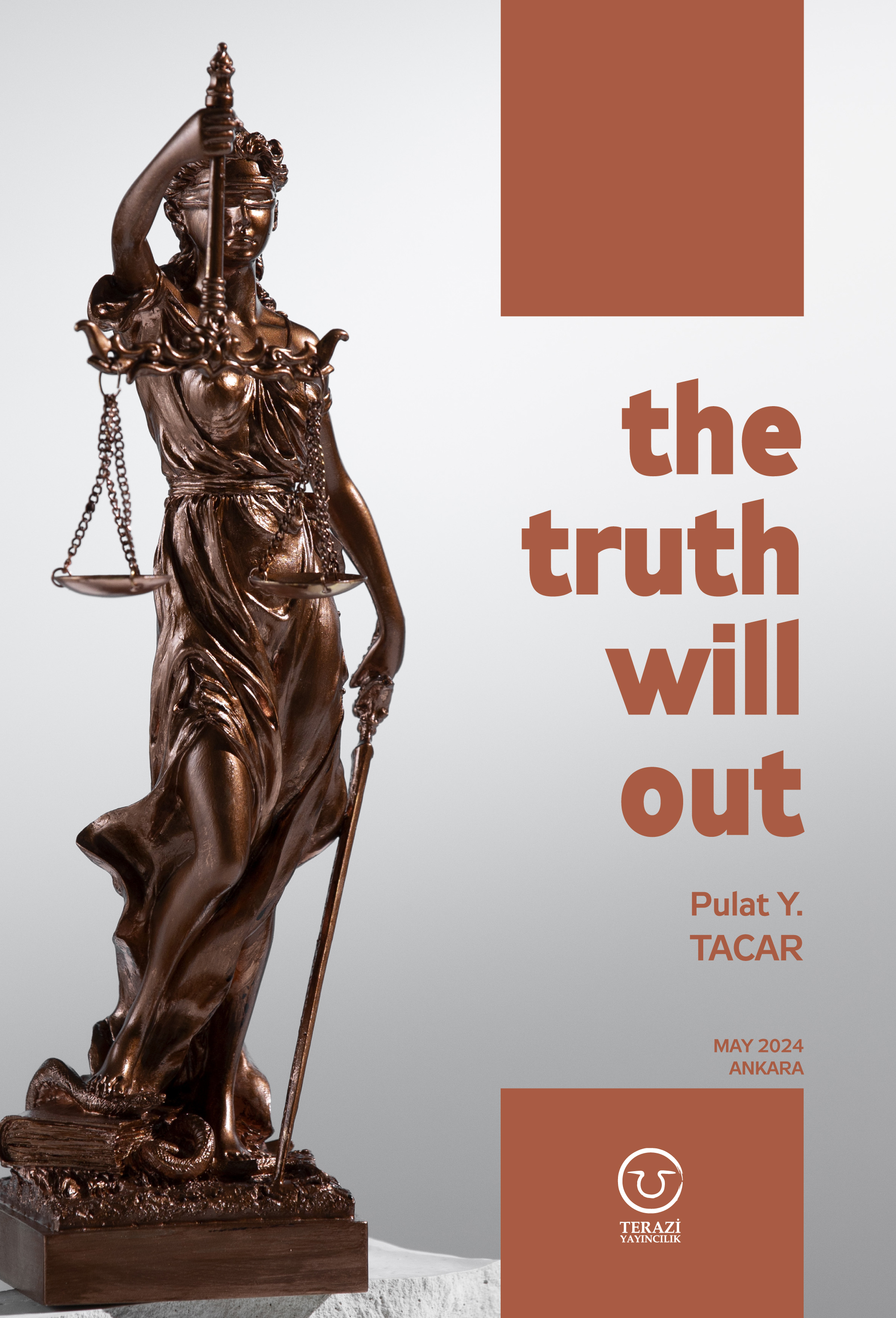
THE TRUTH WILL OUT -
27.03.2023
RADİKAL ERMENİ UNSURLARCA GERÇEKLEŞTİRİLEN MEZALİMLER VE VANDALİZM -
17.03.2023
PATRIOTISM PERVERTED -
23.02.2023
MEN ARE LIKE THAT -
03.02.2023
BAKÜ-TİFLİS-CEYHAN BORU HATTININ YAŞANAN TARİHİ -
16.12.2022
INTERNATIONAL SCHOLARS ON THE EVENTS OF 1915 -
07.12.2022
FAKE PHOTOS AND THE ARMENIAN PROPAGANDA -
07.12.2022
ERMENİ PROPAGANDASI VE SAHTE RESİMLER -
01.01.2022
A Letter From Japan - Strategically Mum: The Silence of the Armenians -
01.01.2022
Japonya'dan Bir Mektup - Stratejik Suskunluk: Ermenilerin Sessizliği -
03.06.2020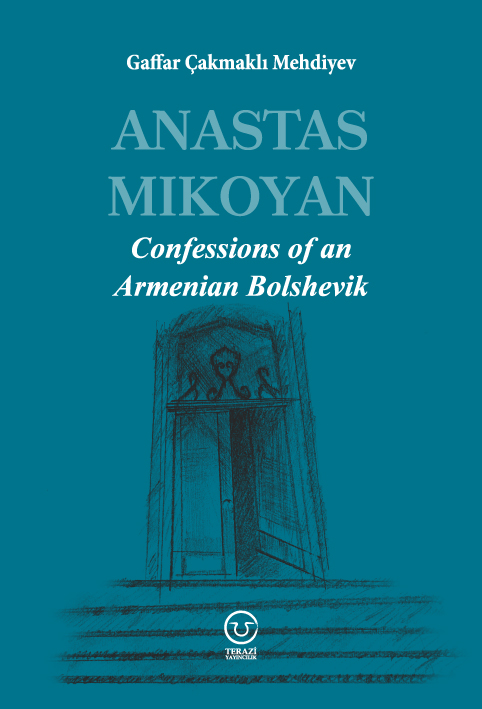
Anastas Mikoyan: Confessions of an Armenian Bolshevik -
08.04.2020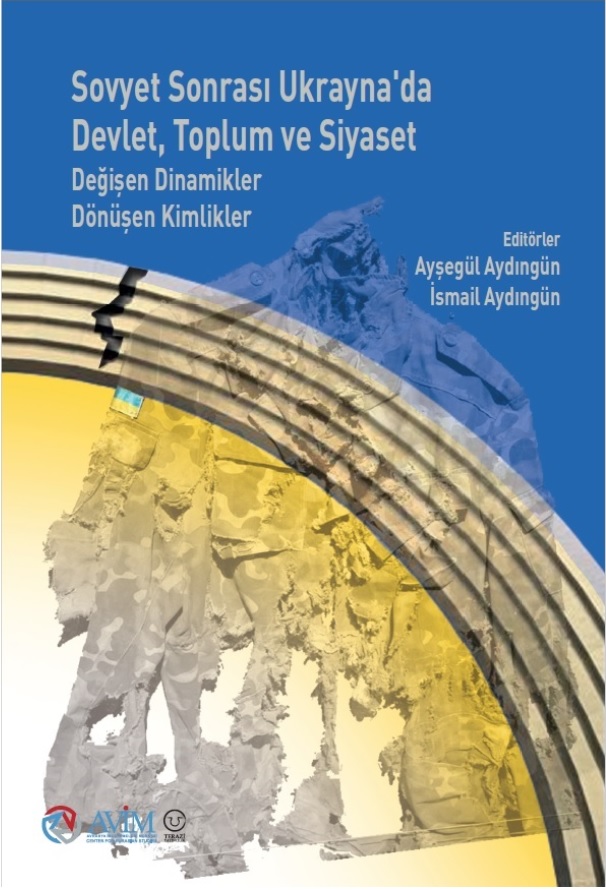
Sovyet Sonrası Ukrayna’da Devlet, Toplum ve Siyaset - Değişen Dinamikler, Dönüşen Kimlikler -
12.06.2018
Ermeni Sorunuyla İlgili İngiliz Belgeleri (1912-1923) - British Documents on Armenian Question (1912-1923) -
02.12.2016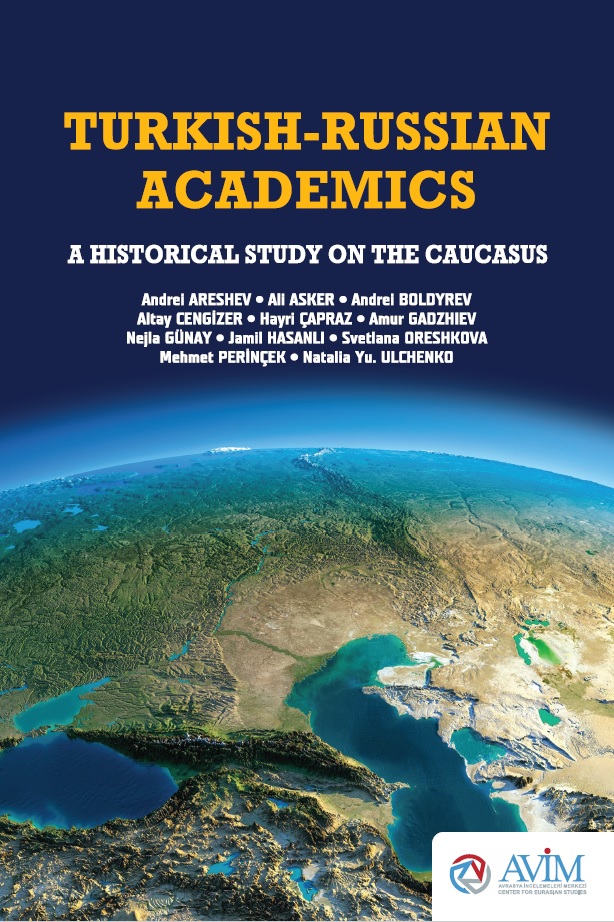
Turkish-Russian Academics: A Historical Study on the Caucasus -
01.07.2016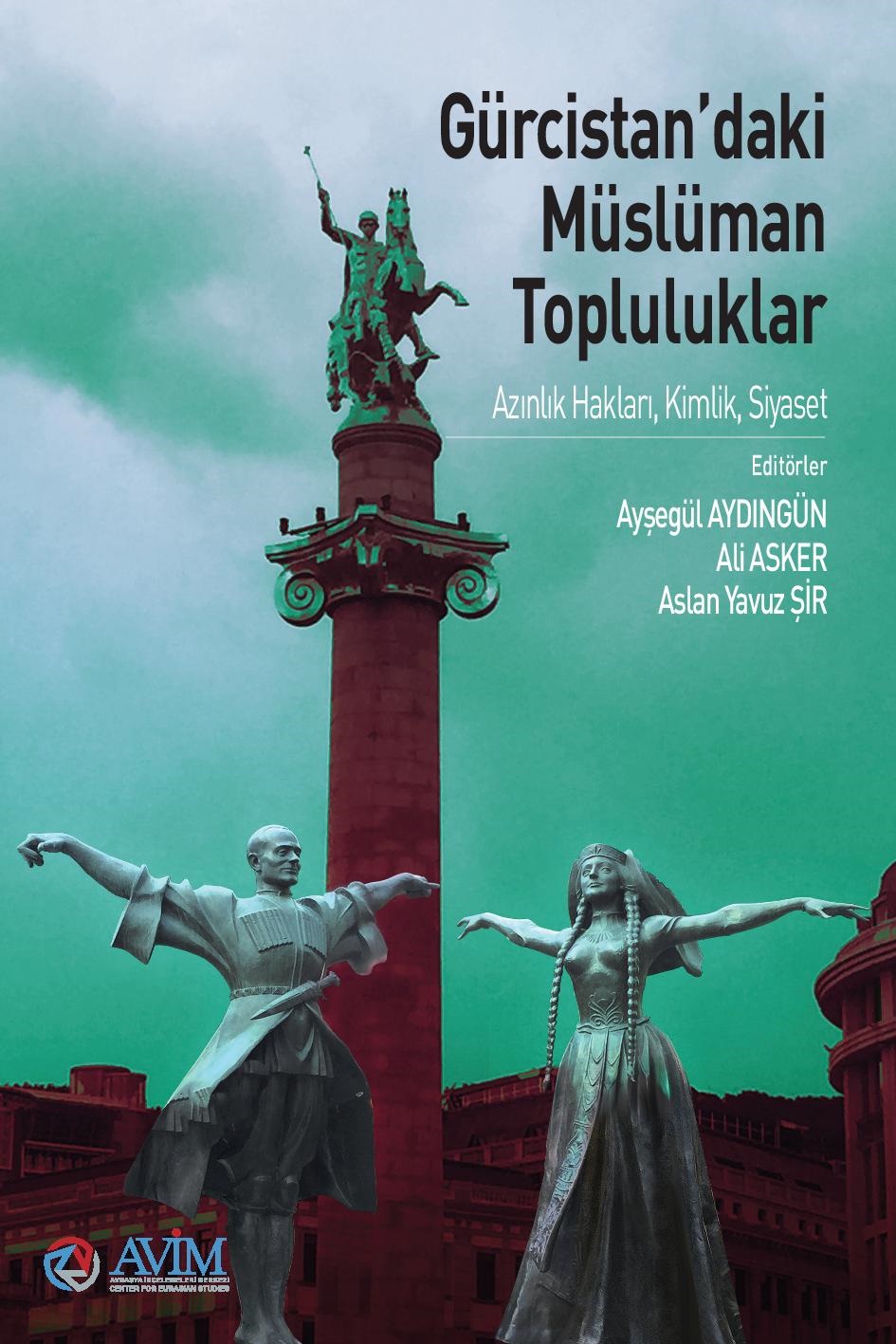
Gürcistan'daki Müslüman Topluluklar: Azınlık Hakları, Kimlik, Siyaset -
10.03.2016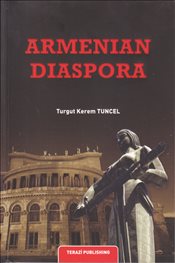
Armenian Diaspora: Diaspora, State and the Imagination of the Republic of Armenia -
24.01.2016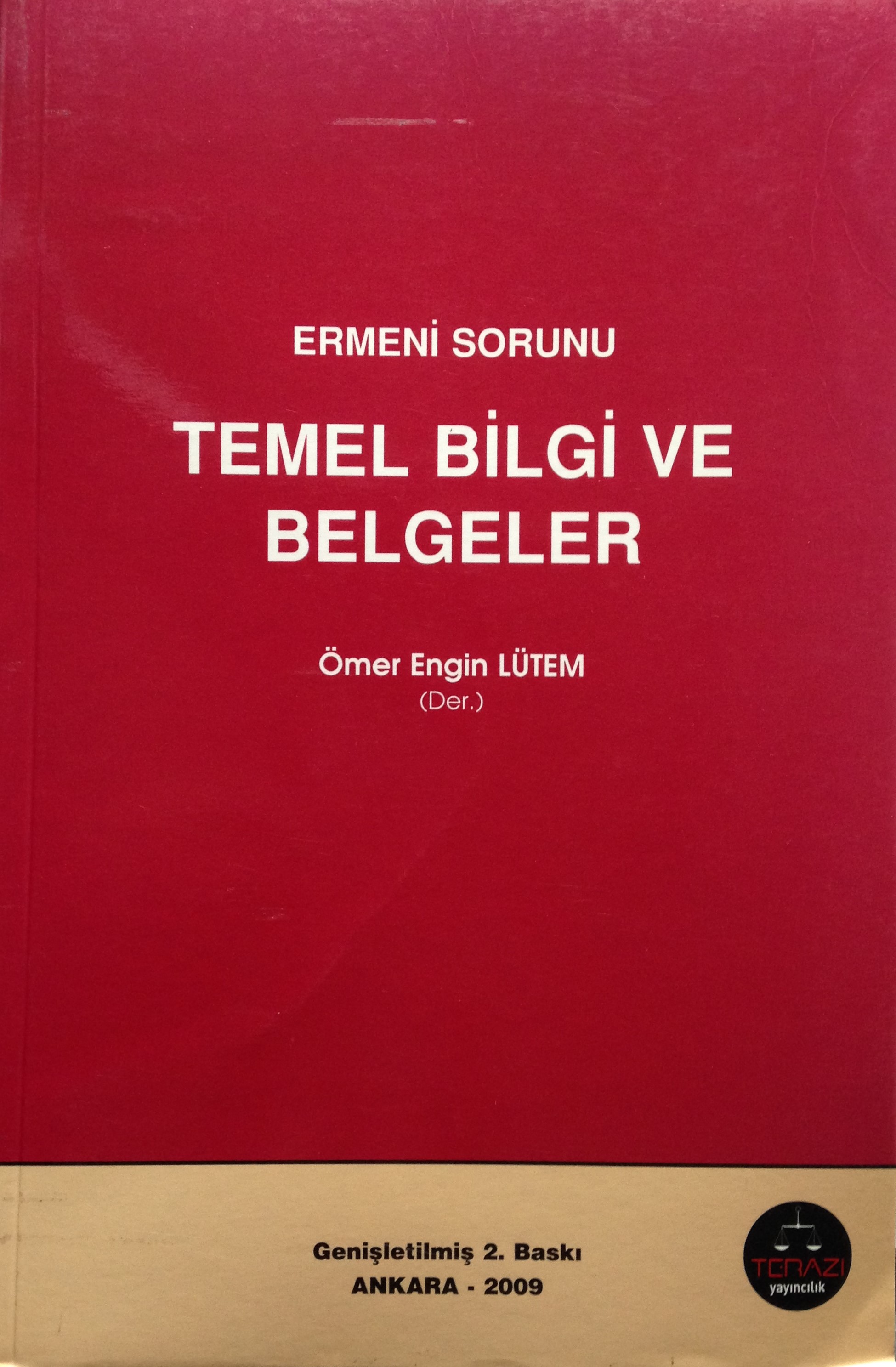
ERMENİ SORUNU - TEMEL BİLGİ VE BELGELER (2. BASKI)
-
AVİM Conference Hall 24.01.2023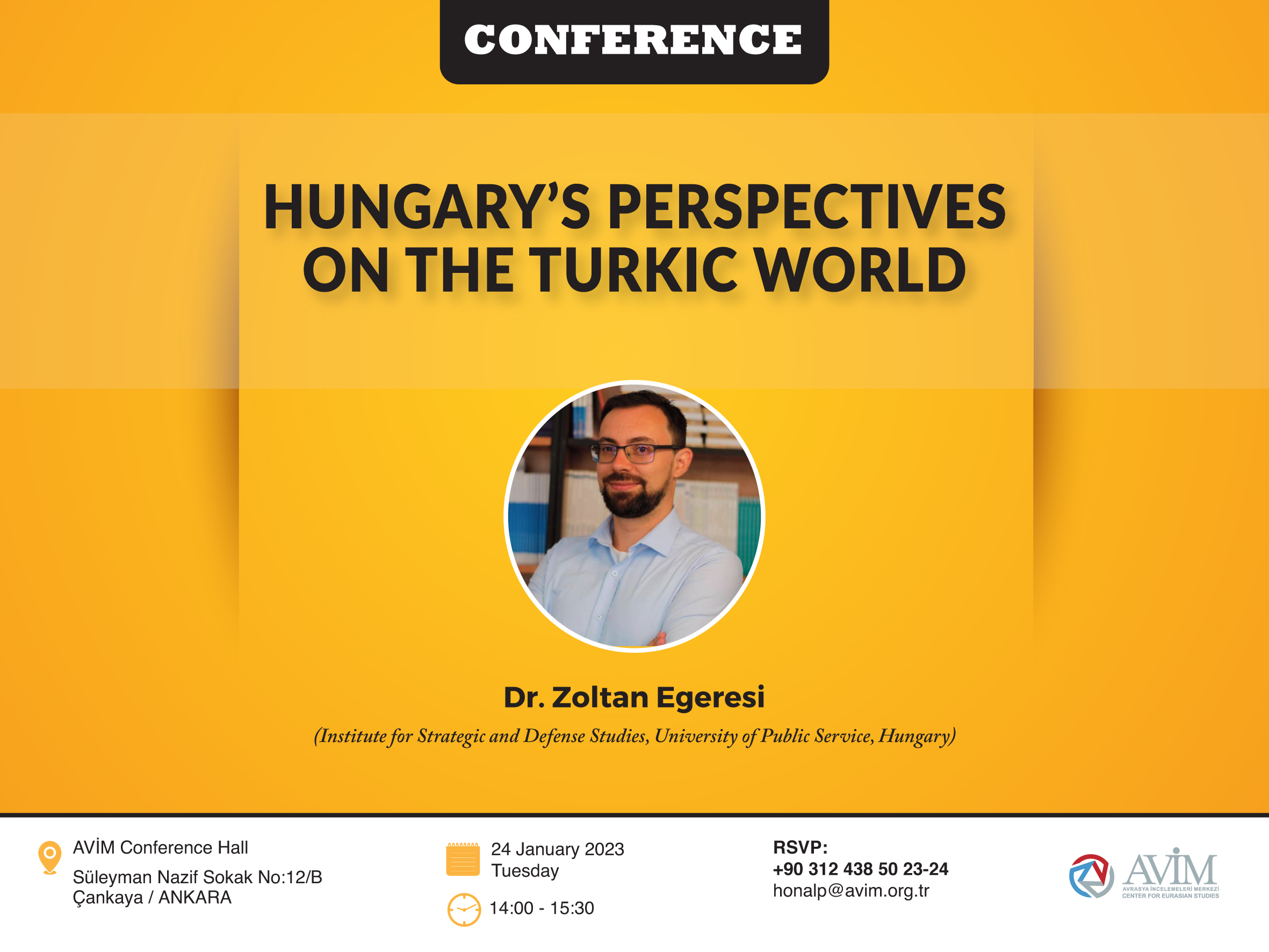
CONFERENCE TITLED “HUNGARY’S PERSPECTIVES ON THE TURKIC WORLD"