















10.07.2016
EU Observer
The UK will strive to play a role in EU foreign policy after it leaves, but will “make the most” of Nato and bilateral ties to pursue national interests, prime minister David Cameron has said.
Speaking on Saturday (9 July) after the Nato summit in Warsaw, he said he’d told fellow leaders “that Britain leaving the European Union did not mean it was turning its back on Europe or on European security”.
“As we leave the European Union, we won’t be around that table at the same time, but Britain will have to become one of Europe’s most important partners”, he said.
“The UK should be as close as possible to the European Union when it comes to security, when it comes to diplomacy, when it comes to migration and trade”.
He indicated that UK warships would continue to serve in the EU’s anti-pirate mission in the Gulf of Aden and its anti-migrant smuggler operation in the Mediterranean.
“I’m sure that if there are EU operations that we agree with there’ll be an opportunity to partner in some way”, he said.
He said the UK would lobby EU states to keep a “strong and unified European position” on Russia.
He also indicated that Britain would try to steer the EU away from creating parallel military structures to Nato.
“There’s a danger of that … This is something we’re going to have watch out for”, he said, referring to French and German talk of creating an EU military HQ.
Making the most of it
Cameron said the UK would increasingly turn to other formats to pursue its interests, however.
“What we now need to do is to make the most of all the other relationships that we have, whether it’s Nato, the G7, the G20, or the Commonwealth”, he said, referring to two clubs of wealthy nations and to Britain’s former colonies.
“We’re going to strengthen the bilateral relationships we have, including here in Poland”, he added.
He said Britain’s armed forces are “a very important part of projecting British power and British influence around the world”.
“Today we are a major power inside the European Union, tomorrow we’ll be a major power outside the European Union”, he said.
Underlining the point, he announced that he would call a vote in the British parliament on 18 July on renewing Britain’s nuclear arsenal, the so called Trident fleet of four submarines.
He noted that Britain was sending 650 soldiers to protect Estonia and Poland from Russian aggression in a new Nato force.
He also said that British warships would continue to serve in Nato’s anti-migrant smuggler operation in the Aegean.
Cameron said Brexit “was not a big subject of discussion” at the Nato leaders’ dinner on Friday.
“In so much as the discussion was about Britain’s exit from the European Union, there were a lot of generous remarks, in particular by president Barack Obama, who said what a reliable partner Britain had been”, he said.
He also hinted that he had begun “scoping out” EU leaders on “what are the trade and other opportunities” in the future.
French advice
Speaking also in Warsaw on Saturday, French president Francois Hollande said “it doesn’t make sense for the EU” to have “defence structures separate from Nato”.
But he said the EU should be “more robust” in taking care “of its own defence” in future.
He said the UK should initiate formal EU divorce talks “as quickly as possible” and that negotiations should proceed in “an open manner, to get rid of all this uncertainty”.
Obama had on Friday urged the EU not to take an “adversarial” position in the talks.
He said on Saturday that “neither side” should “harden positions in ways that ultimately do damage to their respective economies”.
Hollande said the US leader “didn’t confide in me personally and give me advice what to do”.
He described Obama’s public remarks as “friendly advice”, but he joked that when US voters go the urns in November, he would reserve the right to give them “friendly advice … to make the right choice” between Hillary Clinton and Donald Trump.
https://euobserver.com/foreign/134277
No comments yet.
- BULGARIA WILL NOT CONTRIBUTE TO NATO'S BATTALIONS ON EASTERN FLANK The Balkans 11.07.2016
- NATO TO TREAD FINE LINE ON RUSSIA FOLLOWING SUMMIT Asia - Pacific 11.07.2016
- MFA TR PRESS RELEASE REGARDING THE COMMEMORATION CEREMONIES FOR THE ANNIVERSARY OF THE SREBRENICA GENOCIDE The Balkans 11.07.2016
- KARABAKH CONFLICT’S SETTLEMENT BECOMES PARAMOUNT The Caucasus and Turkish-Armenian Relations 11.07.2016
- KARABAKH CONFLICT DISCUSSION AT NATO SUMMIT MAY CONTRIBUTE TO PROGRESS IN SETTLEMENT The Caucasus and Turkish-Armenian Relations 11.07.2016
-
25.01.2016
THE ARMENIAN QUESTION - BASIC KNOWLEDGE AND DOCUMENTATION -
12.06.2024
THE TRUTH WILL OUT -
27.03.2023
RADİKAL ERMENİ UNSURLARCA GERÇEKLEŞTİRİLEN MEZALİMLER VE VANDALİZM -
17.03.2023
PATRIOTISM PERVERTED -
23.02.2023
MEN ARE LIKE THAT -
03.02.2023
BAKÜ-TİFLİS-CEYHAN BORU HATTININ YAŞANAN TARİHİ -
16.12.2022
INTERNATIONAL SCHOLARS ON THE EVENTS OF 1915 -
07.12.2022
FAKE PHOTOS AND THE ARMENIAN PROPAGANDA -
07.12.2022
ERMENİ PROPAGANDASI VE SAHTE RESİMLER -
01.01.2022
A Letter From Japan - Strategically Mum: The Silence of the Armenians -
01.01.2022
Japonya'dan Bir Mektup - Stratejik Suskunluk: Ermenilerin Sessizliği -
03.06.2020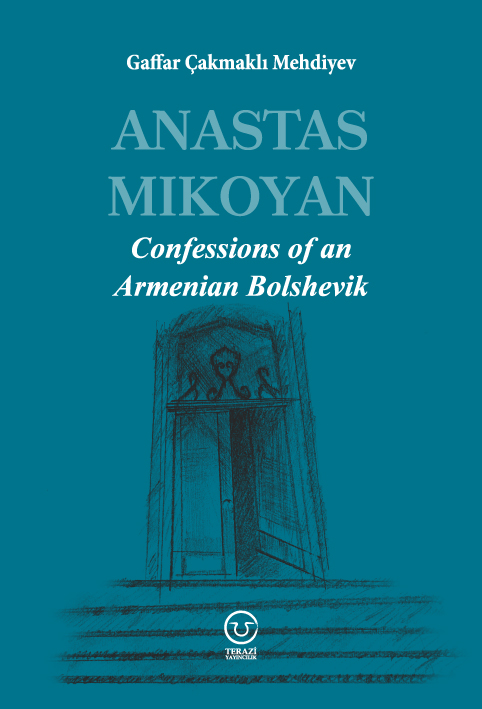
Anastas Mikoyan: Confessions of an Armenian Bolshevik -
08.04.2020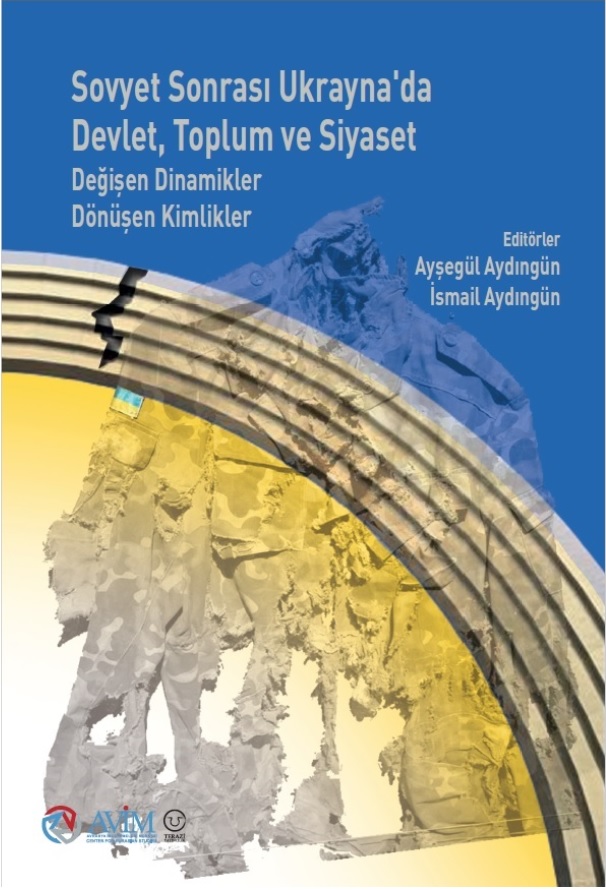
Sovyet Sonrası Ukrayna’da Devlet, Toplum ve Siyaset - Değişen Dinamikler, Dönüşen Kimlikler -
12.06.2018
Ermeni Sorunuyla İlgili İngiliz Belgeleri (1912-1923) - British Documents on Armenian Question (1912-1923) -
02.12.2016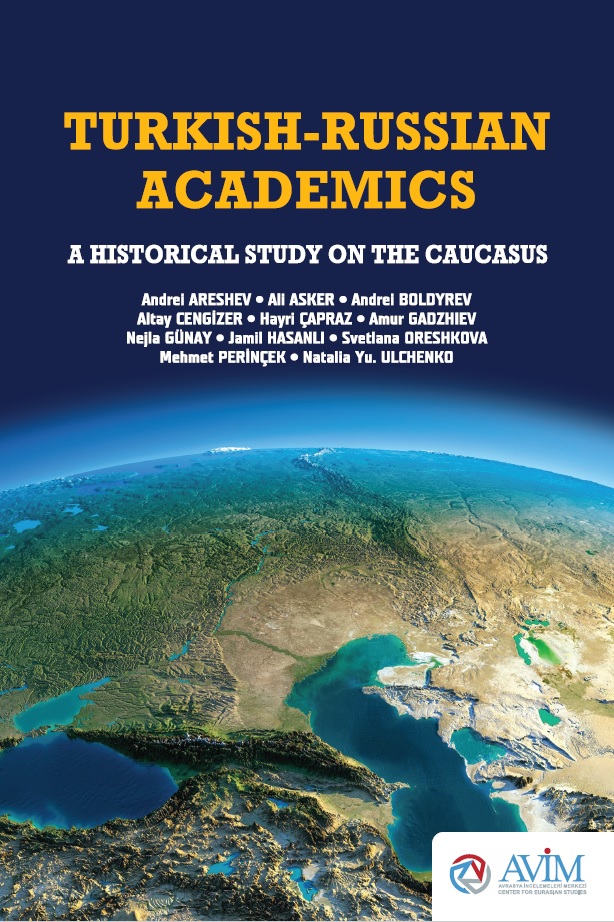
Turkish-Russian Academics: A Historical Study on the Caucasus -
01.07.2016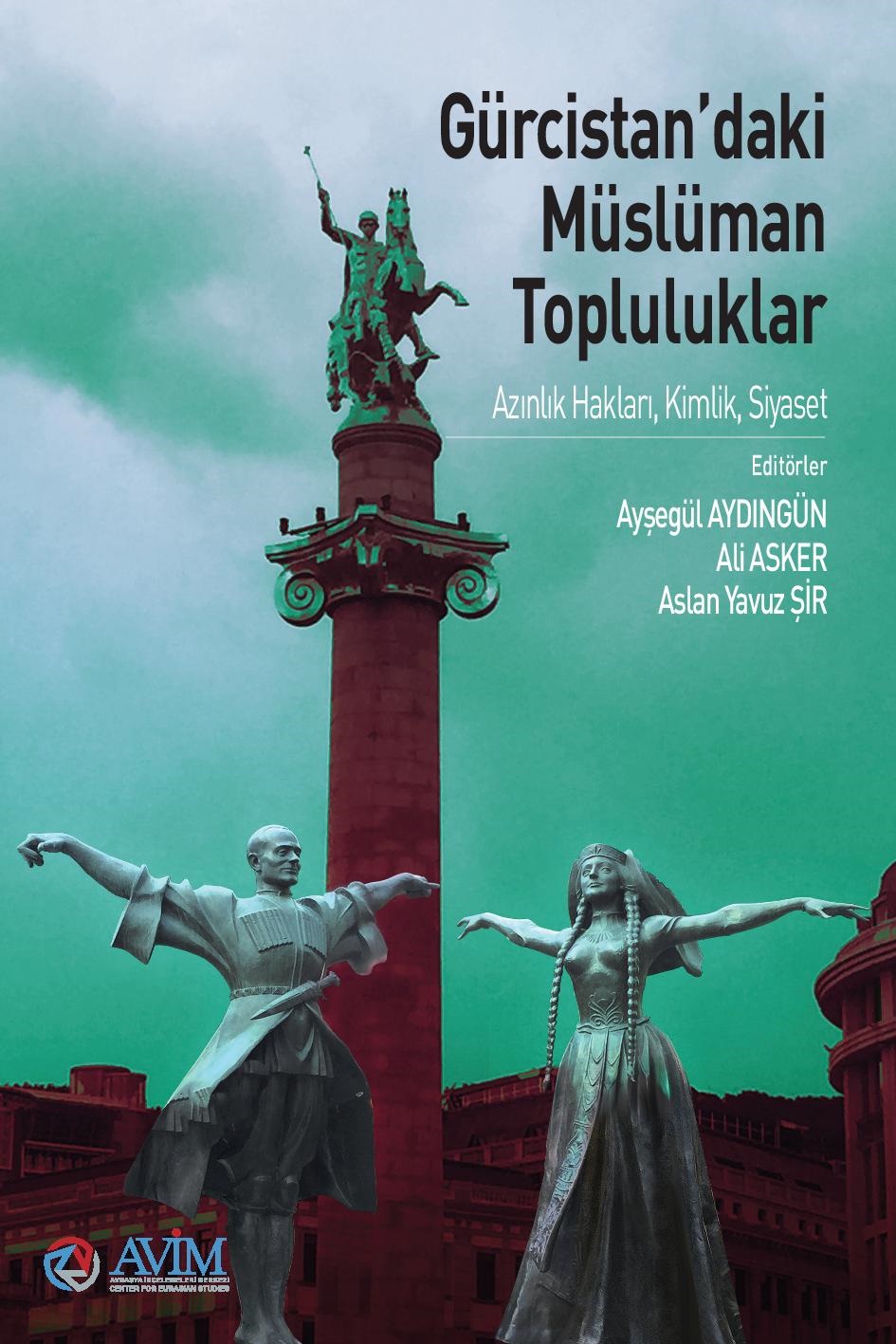
Gürcistan'daki Müslüman Topluluklar: Azınlık Hakları, Kimlik, Siyaset -
10.03.2016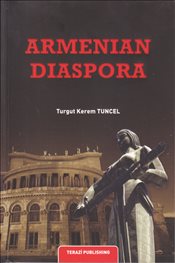
Armenian Diaspora: Diaspora, State and the Imagination of the Republic of Armenia -
24.01.2016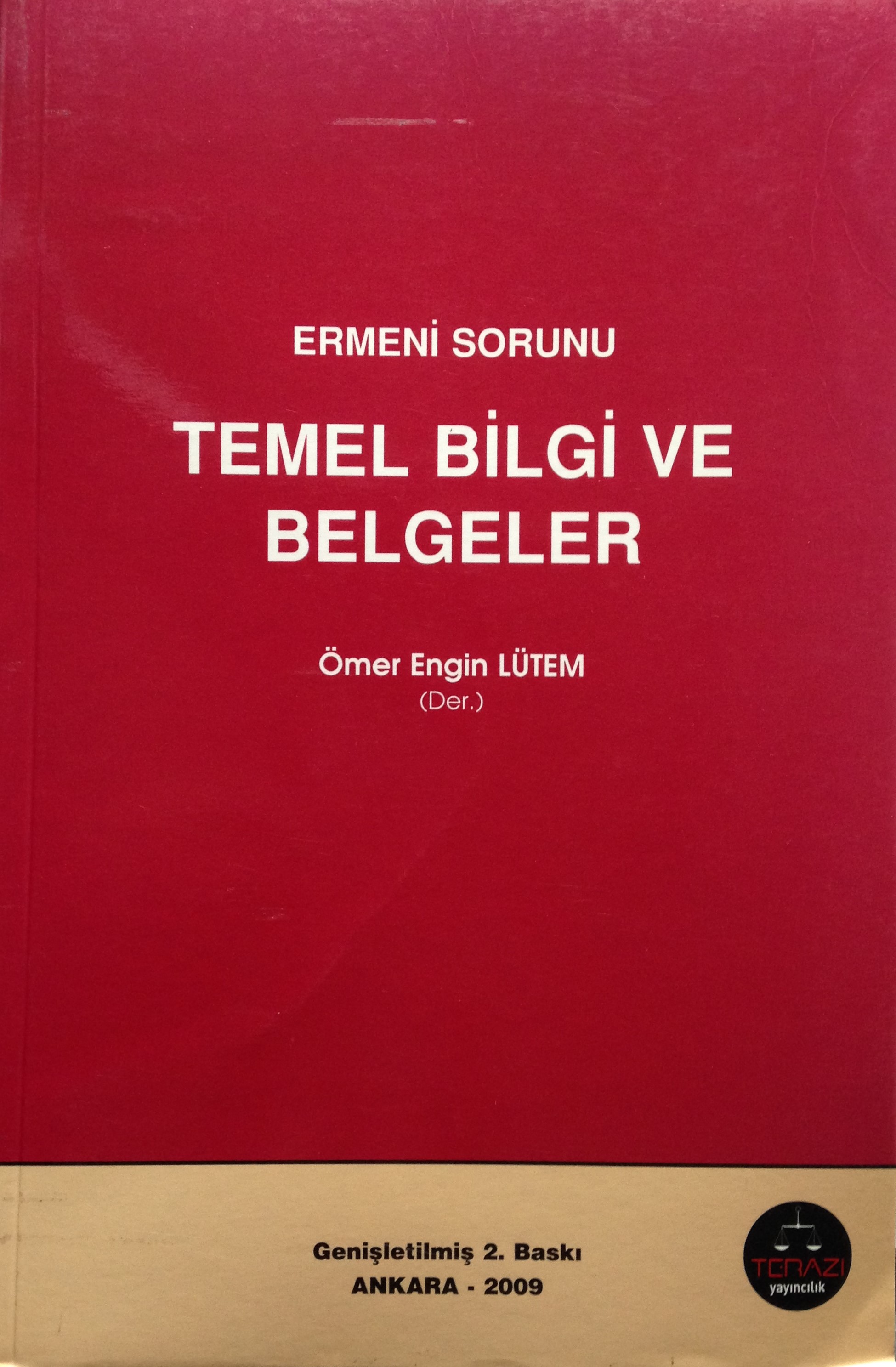
ERMENİ SORUNU - TEMEL BİLGİ VE BELGELER (2. BASKI)
-
AVİM Conference Hall 24.01.2023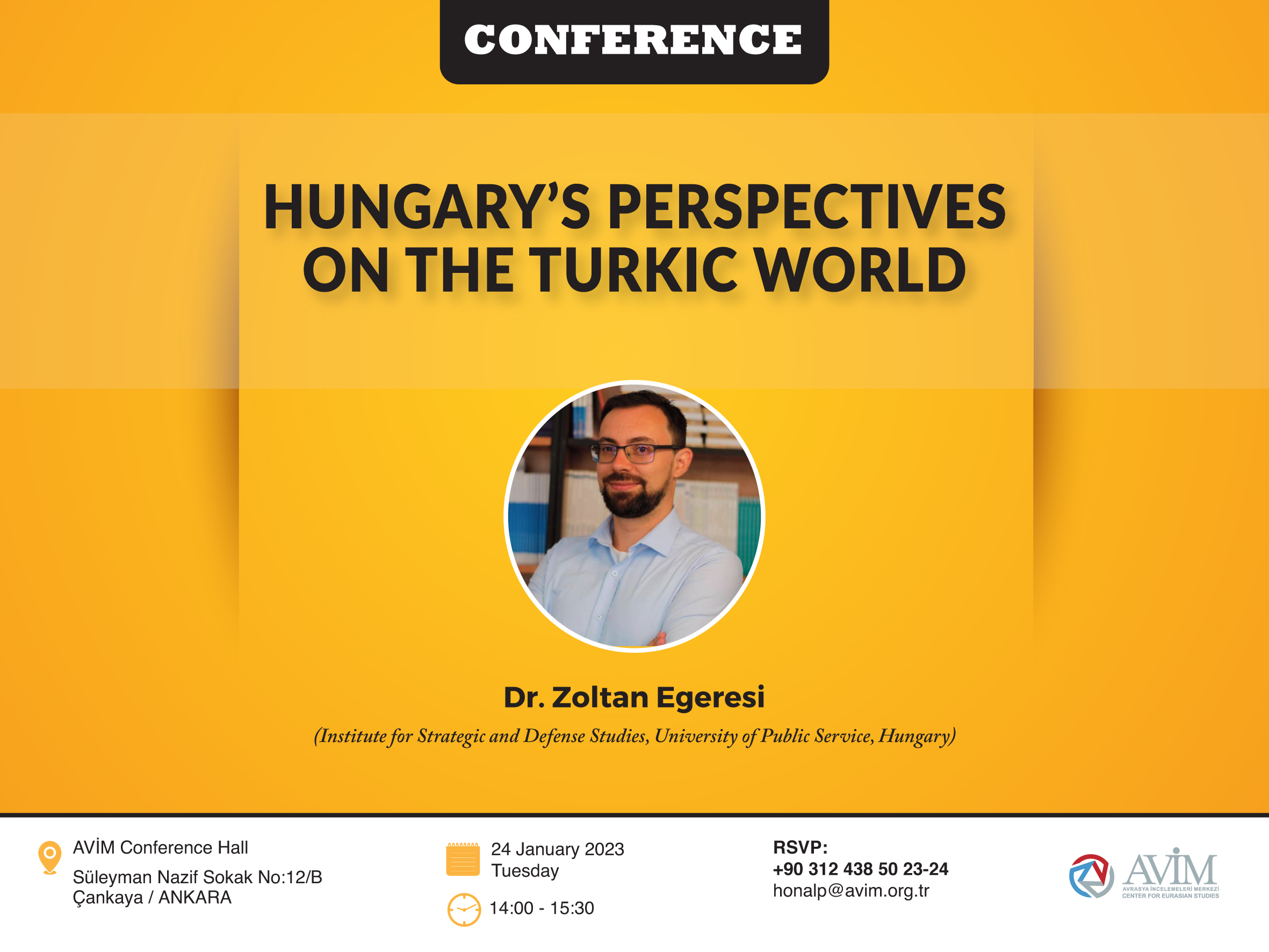
CONFERENCE TITLED “HUNGARY’S PERSPECTIVES ON THE TURKIC WORLD"