

















The Wall Street Journal, 05 October 2016
The Obama administration has set about redrawing its relationship with Russia amid this week’s diplomatic breakdown over Syria, taking on one of its most complex foreign-policy challenges just three months before a new president takes office.
Speaking in Brussels on Tuesday, Secretary of State John Kerry held out the possibility of once again working with Moscow after pulling out of talks over a Syrian cease-fire deal the day before.
While he faulted Russia for prolonging the war by tying its interests to the Assad regime and turning a blind eye to its brutality, his comments also underscored Moscow’s influence in bringing any resolution to the conflict.
“Russia knows exactly what it needs to do to get that cessation implemented in a fair and reasonable way,” Mr. Kerry said, as he urged Russia and the Assad regime to grant humanitarian access in Syria.
The move to formally walk away Monday from the cease-fire and military-cooperation agreement reached with Russia last month heightens pressure on Washington to spell out its next steps in Syria. But neither Mr. Kerry nor officials in Washington offered any new specifics Tuesday.
Mr. Kerry said the U.S. wanted Russian and Syrian warplanes out of the skies over Aleppo, but didn’t lay out a plan to do so. U.S. officials also said that one option could involve U.S. strikes on Syrian forces, although they acknowledged such a move carried risks of escalating a confrontation with Russia and is unlikely.
Senior national-security officials, including cabinet secretaries, will meet this week to weigh new options on Syria, officials said.
Arab officials this week voiced deep skepticism that the Obama administration would change course in Syria and engage in any stepped-up efforts to pressure the Assad regime. These officials said their governments have assumed the White House will hand Syria policy over to the next U.S. administration virtually unchanged from its current cautious approach.
“We’re largely trying to calculate how Clinton or Trump will act on Syria,” said a senior Arab official, referring to next month’s U.S. election, which will elect either Democrat Hillary Clinton or Republican Donald Trump as the next American leader in January. “That’s where we’re focused.”
Kremlin spokesman Dmitry Peskov said Tuesday that Moscow remained interested in improving relations with Washington, despite the discord over Syria, the news agency Interfax reported.
“Contact is continuing and will continue, because it is necessary in order to avoid dangerous incidents,” he said, referring to a military channel to avoid conflicts between the two governments’ operations in Syria. “This unfortunately does not facilitate the normalization of bilateral relations.”
Former officials say the U.S.-Russia relationship has been deteriorating for years following a post-Cold War upturn. Russia in 2013 provided a haven for former National Security Agency contractor Edward Snowden, who leaked secret U.S. documents on surveillance systems; and moved to annex Crimea in 2014. More recently, U.S. officials believe that Russia has meddled in the U.S. elections through cyberattacks.
But shutting the door entirely to ties with Moscow isn’t a practical option, the officials said.
“Kerry is a congenital, ‘keep-communicating’ kind of guy, but there are other reasons for not looking as though the U.S. slammed the door,” said Stephen Sestanovich, a former State Department official, now a Columbia University professor and senior fellow at the Council on Foreign Relations. “European governments are uncomfortable with such a stance, and why create a new argument with them?”
Michael McFaul, a former U.S. ambassador to Russia during the Obama administration who is now at Stanford University, said he has long advocated for engaging Moscow where U.S. and Russian interests align, though “the opportunities for even selective engagement have narrowed even more.”
With the Syrian talks ended, U.S. officials have said Washington is considering a range of options, including imposing new sanctions on Russia and providing more lethal weapons to CIA-vetted rebels.
Some have suggested carrying out military strikes on Assad-regime targets, though it seems unlikely President Barack Obama would support that. White House press secretary Josh Earnest said Mr. Obama wasn’t taking any options off the table, but noted the risk associated with striking regime targets, particularly that doing so would push U.S. and Russian military forces closer toward confrontation.
“The president, as he thinks through those options, is going to think very carefully about the consequences of taking different actions,” Mr. Earnest said.
Under another option, Washington could give a green light to partners in the region, including Turkey and Saudi Arabia, to provide the rebels with more weapons outside of U.S. channels.
Mr. Kerry emphasized what he called the U.S. commitment to the people of Syria.
“We will continue, as we have before, to pursue a meaningful, sustainable, enforceable cessation of hostilities throughout the country,” he said in his Brussels speech on U.S. policy in Europe. “And that includes the grounding of Syrian and Russian combat aircraft in designated areas.”
Mr. Kerry said the U.S. was pursuing continued efforts through the International Syria Support Group, which includes Russia, as well as the United Nations, and that the U.S. and Russia would continue a separate military channel to avoid conflicts in the areas where both are operating against Islamic State extremists.
“My government is absolutely convinced that we are in pursuit of the correct goals in Syria, but we acknowledge in sorrow, and I have to tell you with a great sense of outrage, that Russia has turned a blind eye to Assad’s deplorable use of…chlorine gas, barrel bombs against his people,” Mr. Kerry said.
He added: “Together, the Syrian regime and Russia seem to have rejected diplomacy in furtherance of trying to pursue a military victory over the broken bodies, the bombed-out hospitals, the traumatized children of a long-suffering land.”
U.N. Secretary-General Ban Ki-moon said he would meet with Mr. Kerry and Russian officials on the sidelines of this week’s Afghanistan donor conference in Brussels for discussions on Syria.
“I strongly urge to resume negotiations so that there is a cessation of hostilities” and lifesaving humanitarian aid can be delivered, Mr. Ban said at a news conference.
No comments yet.
- RUSSIA LAUNCHES HUGE NUCLEAR WAR TRAINING EXERCISE THAT 'INVOLVES 40 MILLION PEOPLE' Asia - Pacific 06.10.2016
- RETURN TO IRAQ: FORMER TRANSLATOR CHASES SAFETY IN US Iraq 06.10.2016
- EU’S CONDITIONS FOR SERBIA: ACCEPTABLE OR NOT The Balkans 06.10.2016
- AFGHANISTAN AID: DONORS TO PLEDGE BILLIONS IN BRUSSELS Asia - Pacific 06.10.2016
- ‘JUNCKER PLAN’ BECOMES FRIENDLIER TO POORER EU MEMBERS Europe - EU 06.10.2016
-
25.01.2016
THE ARMENIAN QUESTION - BASIC KNOWLEDGE AND DOCUMENTATION -
12.06.2024
THE TRUTH WILL OUT -
27.03.2023
RADİKAL ERMENİ UNSURLARCA GERÇEKLEŞTİRİLEN MEZALİMLER VE VANDALİZM -
17.03.2023
PATRIOTISM PERVERTED -
23.02.2023
MEN ARE LIKE THAT -
03.02.2023
BAKÜ-TİFLİS-CEYHAN BORU HATTININ YAŞANAN TARİHİ -
16.12.2022
INTERNATIONAL SCHOLARS ON THE EVENTS OF 1915 -
07.12.2022
FAKE PHOTOS AND THE ARMENIAN PROPAGANDA -
07.12.2022
ERMENİ PROPAGANDASI VE SAHTE RESİMLER -
01.01.2022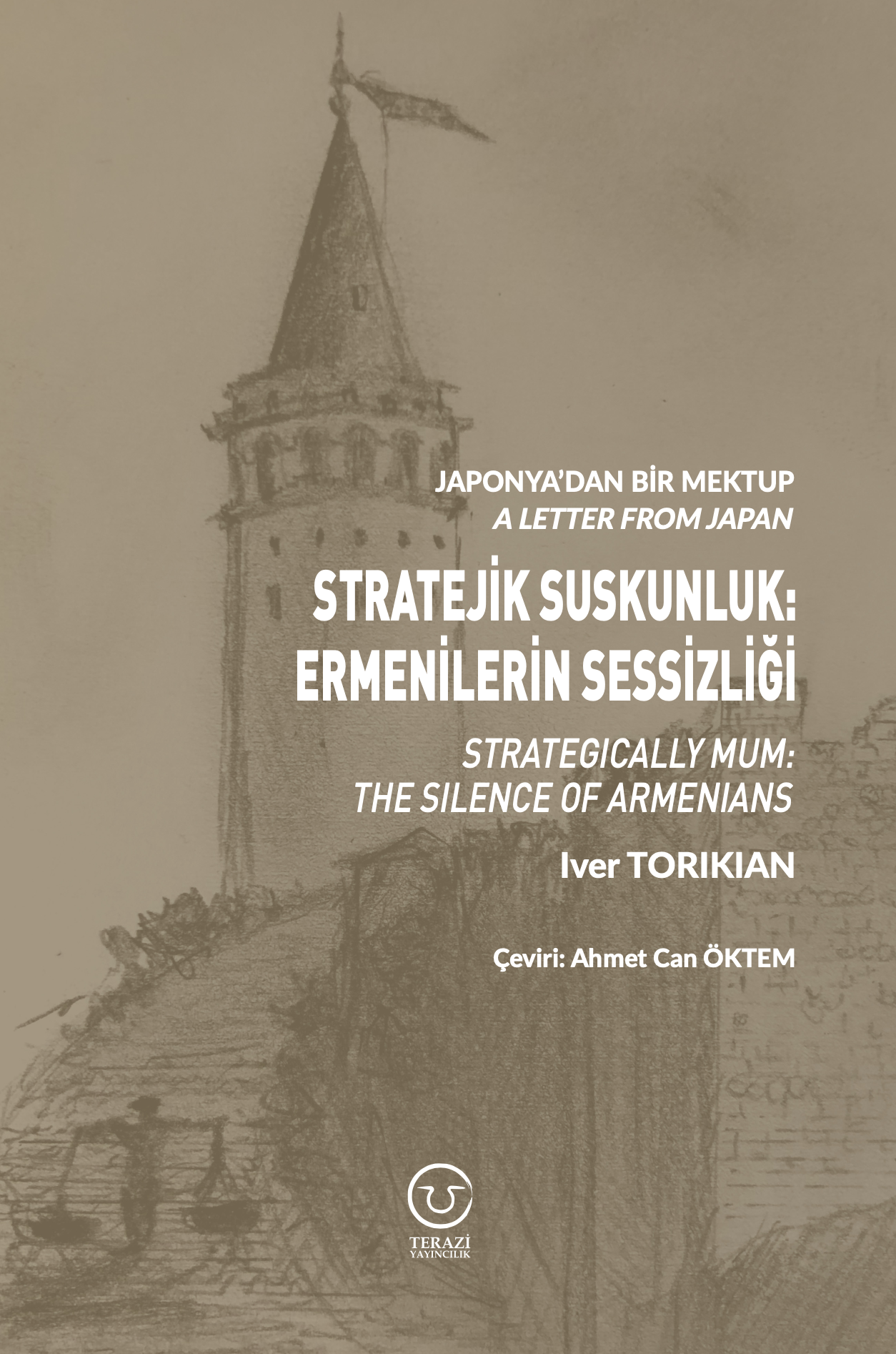
A Letter From Japan - Strategically Mum: The Silence of the Armenians -
01.01.2022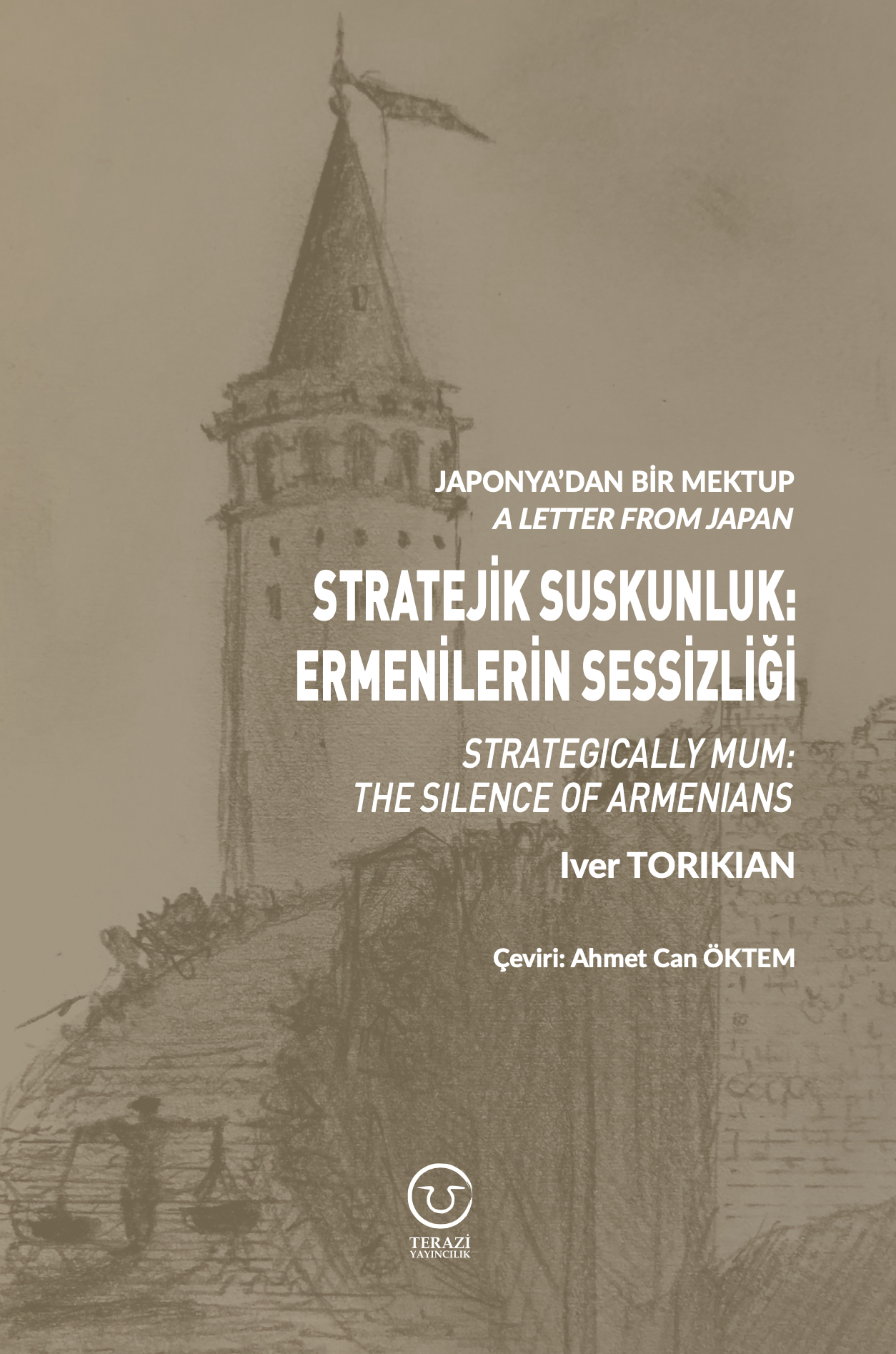
Japonya'dan Bir Mektup - Stratejik Suskunluk: Ermenilerin Sessizliği -
03.06.2020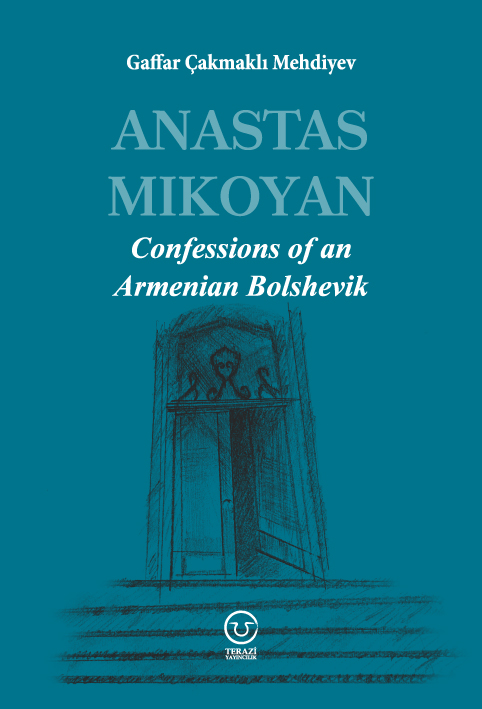
Anastas Mikoyan: Confessions of an Armenian Bolshevik -
08.04.2020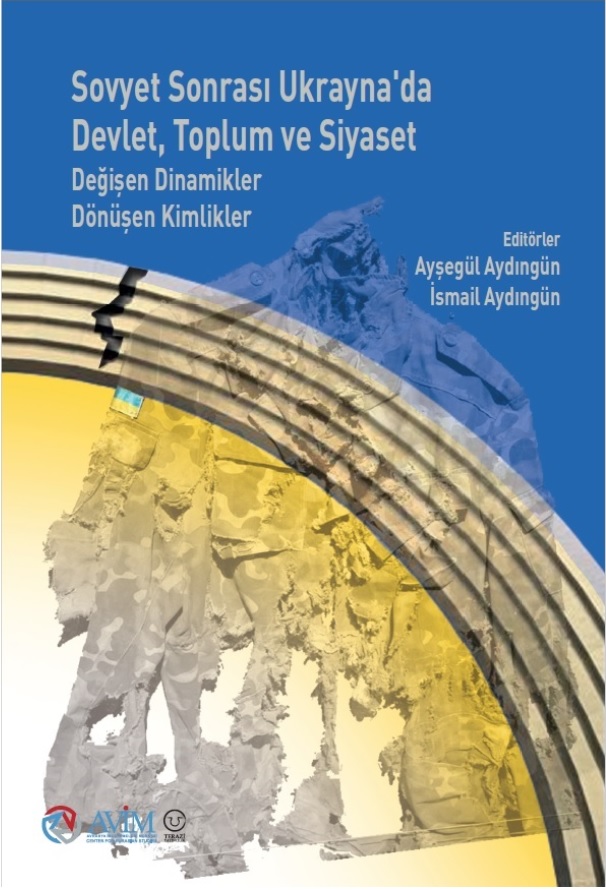
Sovyet Sonrası Ukrayna’da Devlet, Toplum ve Siyaset - Değişen Dinamikler, Dönüşen Kimlikler -
12.06.2018
Ermeni Sorunuyla İlgili İngiliz Belgeleri (1912-1923) - British Documents on Armenian Question (1912-1923) -
02.12.2016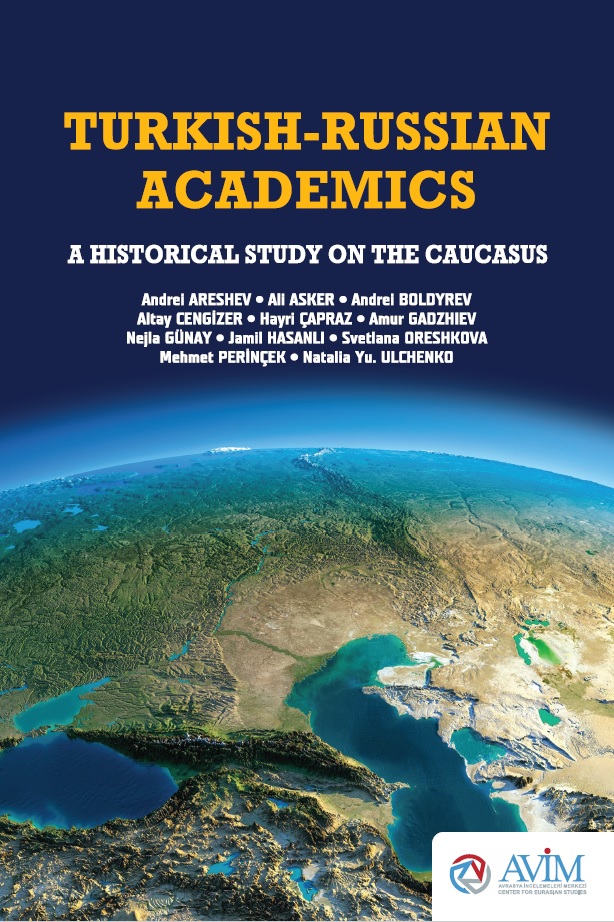
Turkish-Russian Academics: A Historical Study on the Caucasus -
01.07.2016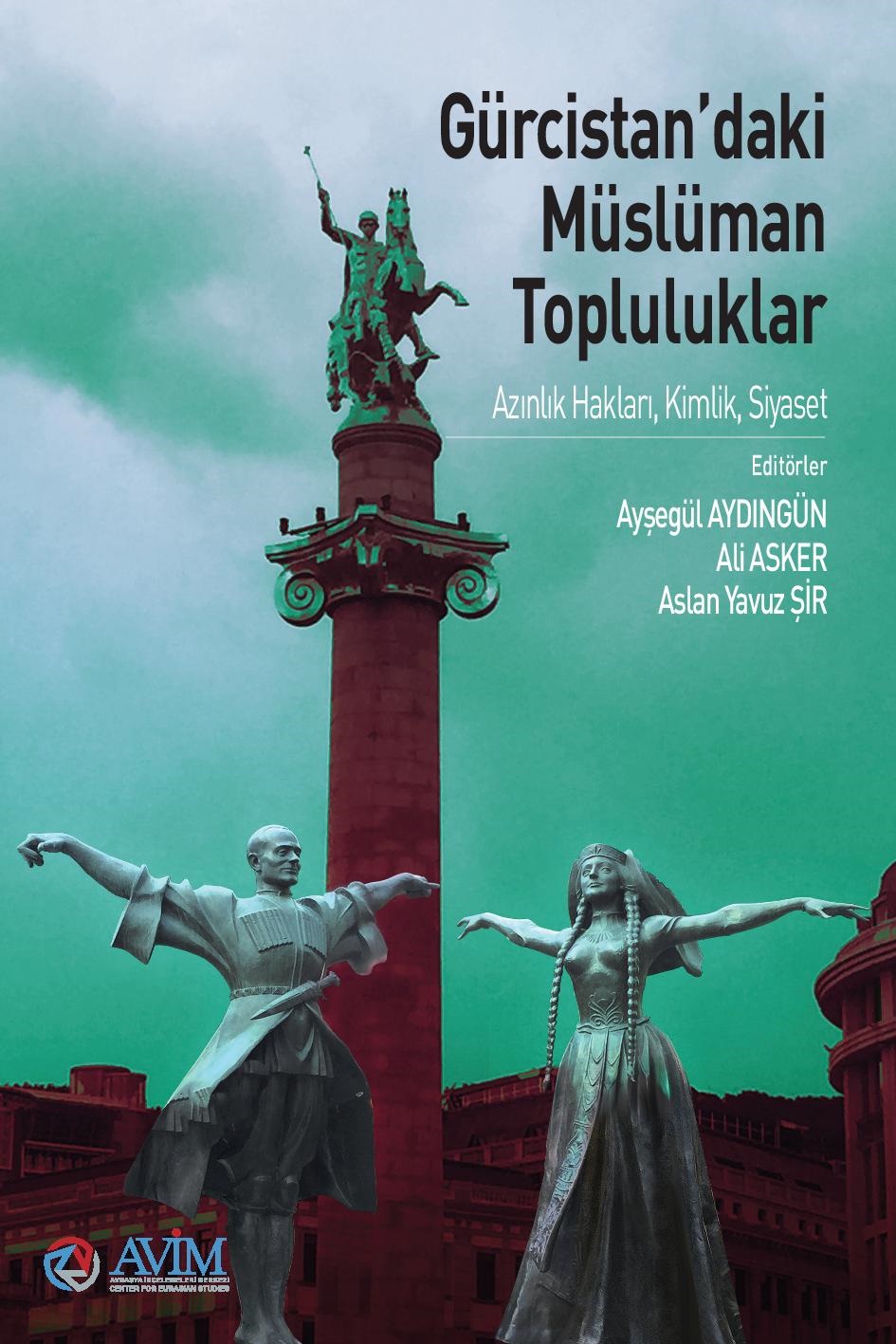
Gürcistan'daki Müslüman Topluluklar: Azınlık Hakları, Kimlik, Siyaset -
10.03.2016
Armenian Diaspora: Diaspora, State and the Imagination of the Republic of Armenia -
24.01.2016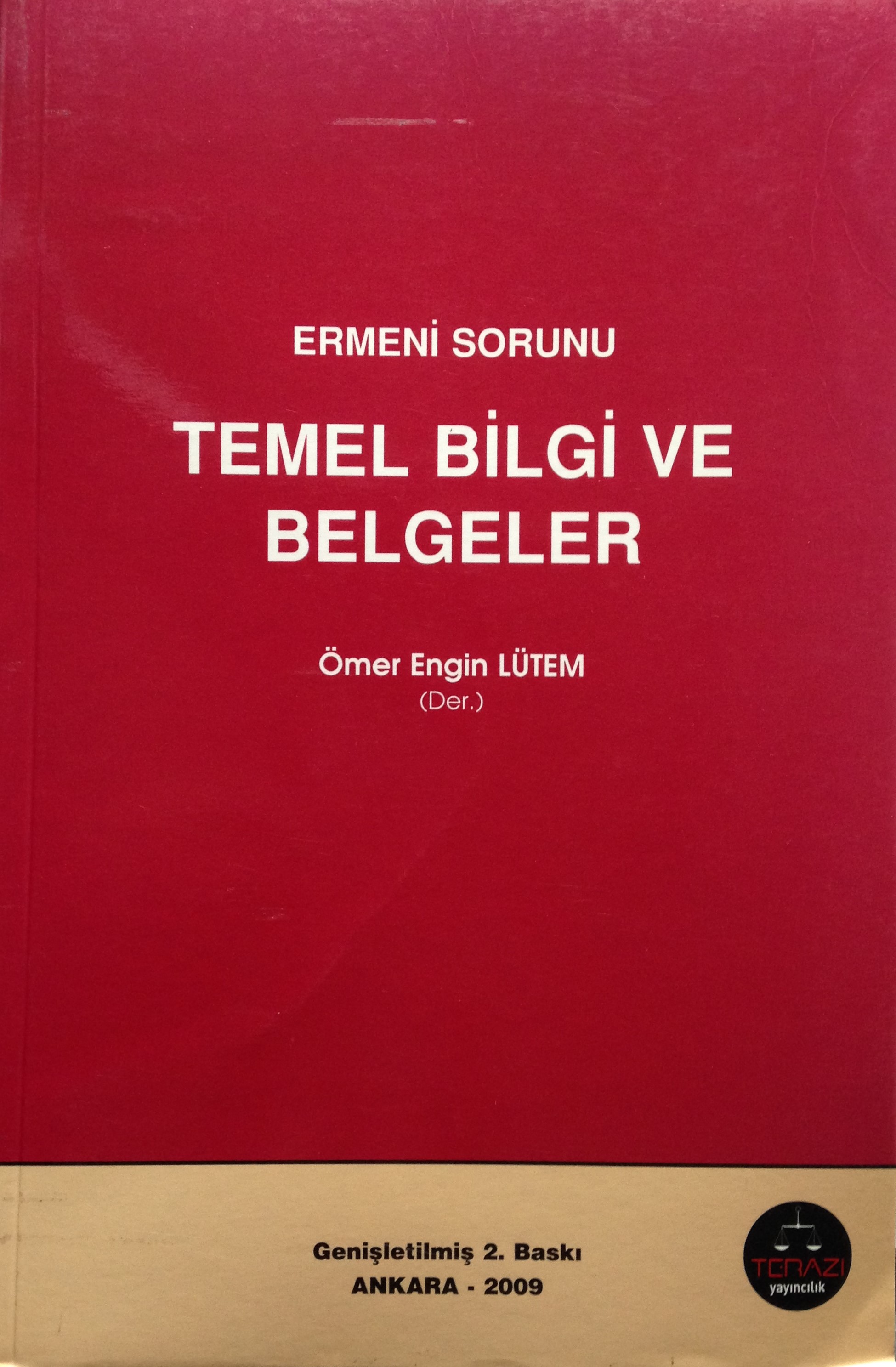
ERMENİ SORUNU - TEMEL BİLGİ VE BELGELER (2. BASKI)
-
AVİM Conference Hall 24.01.2023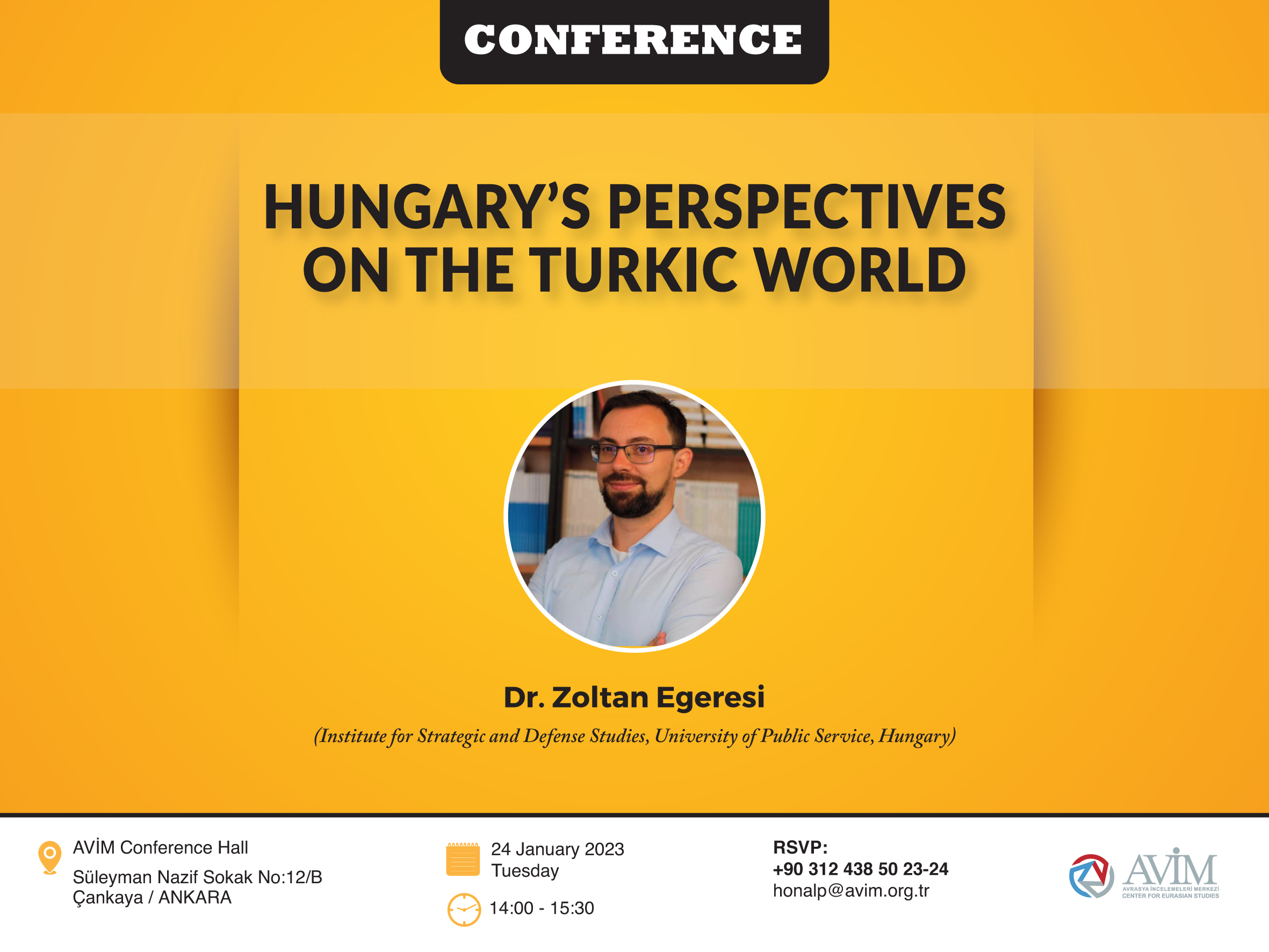
CONFERENCE TITLED “HUNGARY’S PERSPECTIVES ON THE TURKIC WORLD"