

















WSJ, 24 Dec 2017
A federal judge ruled the military must provide immediate access to legal counsel for a U.S. citizen being held as an enemy combatant at a secret location in Iraq.
The unnamed U.S. citizen was captured in September by Syrian opposition forces fighting Islamic State and transferred to U.S. custody in Iraq, court records show. He has yet to be granted access to a lawyer.
Following his arrest, the American Civil Liberties Union filed a habeas corpus petition on behalf of the detainee.
In a 12-page ruling issued late Saturday, Judge Tanya S. Chutkan said the government should provide the ACLU with immediate and unmonitored access to the prisoner. The prisoner could then choose to be represented by the ACLU or court-appointed counsel.
Since the man’s detention, the U.S. military has kept secret the details of the case. The prisoner has been granted access to the International Committee of the Red Cross, which monitors the well-being of prisoners and can deliver messages to relatives.
The ICRC has twice visited the detainee, but the details of those meetings and whether the prisoner’s family has been notified are confidential.
U.S. officials are seeking to determine if the man has links to Islamic State fighters battling U.S.-backed forces in Iraq and Syria, according to the government and court filings.
Judge Chutkan said the ACLU had demonstrated it was dedicated to the detainee’s best interests, court records show. She called the Department of Defense’s position “disingenuous at best” because it was the sole impediment to the ACLU’s ability to meet and confer with the detainee.
The judge also ordered the Department of Defense to refrain from transferring the prisoner to Saudi Arabia after the ACLU filed copy of a New York Times report that said the man was born to Saudi parents and could be transferred.
The ACLU’s petition parallels, in some ways, the cases of prisoners captured during the U.S. war on terror, triggered by the attacks on the U.S. on Sept. 11, 2001, but it is unusual because the detainee was captured in Syria and hasn’t had any communication with the ACLU.
After a Nov. 30 hearing, the government disclosed the prisoner had requested a lawyer in the presence of Federal Bureau of Investigation special agents after being read his Miranda rights soon after his capture, court records show.
The FBI agents told the man that it was unclear when a lawyer might be available to him. The prisoner responded that was “ok and that he is a patient man,” the court records said.
“This is a critical ruling that rejects the Trump administration’s unprecedented attempt to block an American citizen from challenging his executive imprisonment,” said Jonathan Hafetz, the lead ACLU lawyer on the case, in a statement sent after the ruling. He said the decision was “essential to preserving the Constitution and the rule of law in America.”
The Justice Department didn’t immediately respond to request for comment on whether it would appeal the order.
No comments yet.
- IRAQ: KIRKUK COUNCIL POSTPONES PLANNED MEETING Iraq 25.12.2017
- U.S., EU OPPOSE MOVES BY KOSOVO TO SHUT DOWN WAR CRIMES COURT The Balkans 25.12.2017
-
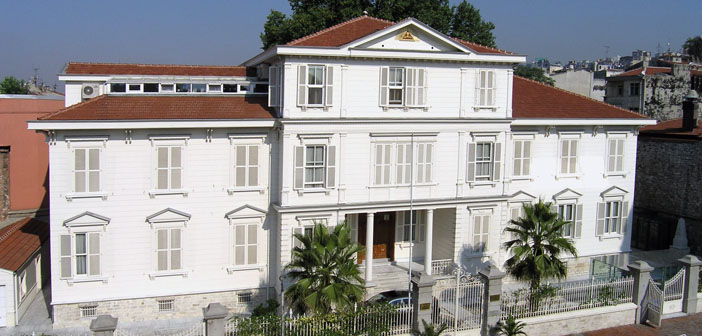 ELECTION DRAMA OF CONSTANTINOPLE PATRIARCHATE CONCLUDES
The Caucasus and Turkish-Armenian Relations
25.12.2017
ELECTION DRAMA OF CONSTANTINOPLE PATRIARCHATE CONCLUDES
The Caucasus and Turkish-Armenian Relations
25.12.2017
- SWISS PRESIDENT WANTS A VOTE TO CLARIFY COUNTRY'S EU POSITION Europe - EU 25.12.2017
- WORLD'S LARGEST AMPHIBIOUS AIRCRAFT MAKES MAIDEN FLIGHT IN CHINA Asia - Pacific 25.12.2017
-
25.01.2016
THE ARMENIAN QUESTION - BASIC KNOWLEDGE AND DOCUMENTATION -
12.06.2024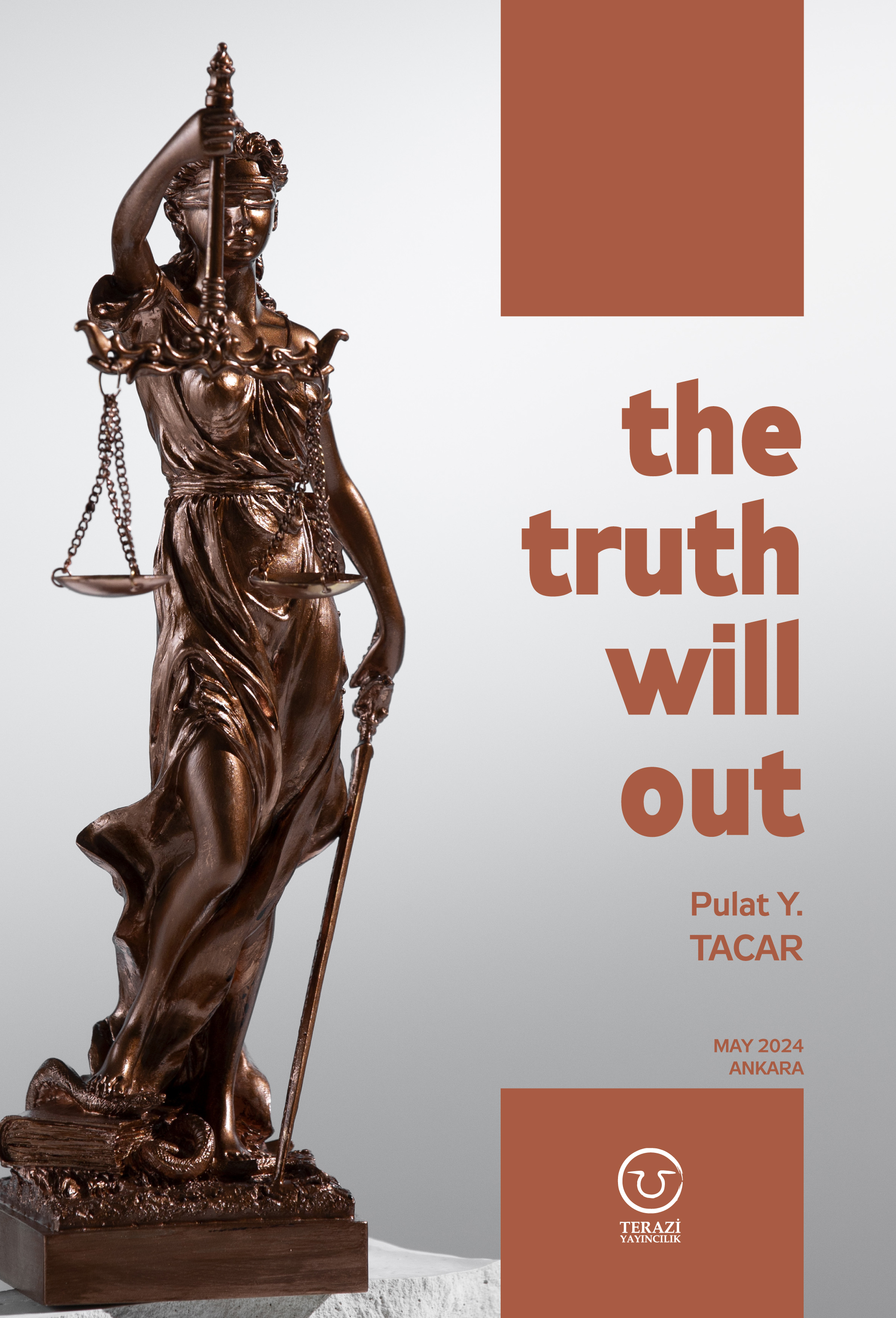
THE TRUTH WILL OUT -
27.03.2023
RADİKAL ERMENİ UNSURLARCA GERÇEKLEŞTİRİLEN MEZALİMLER VE VANDALİZM -
17.03.2023
PATRIOTISM PERVERTED -
23.02.2023
MEN ARE LIKE THAT -
03.02.2023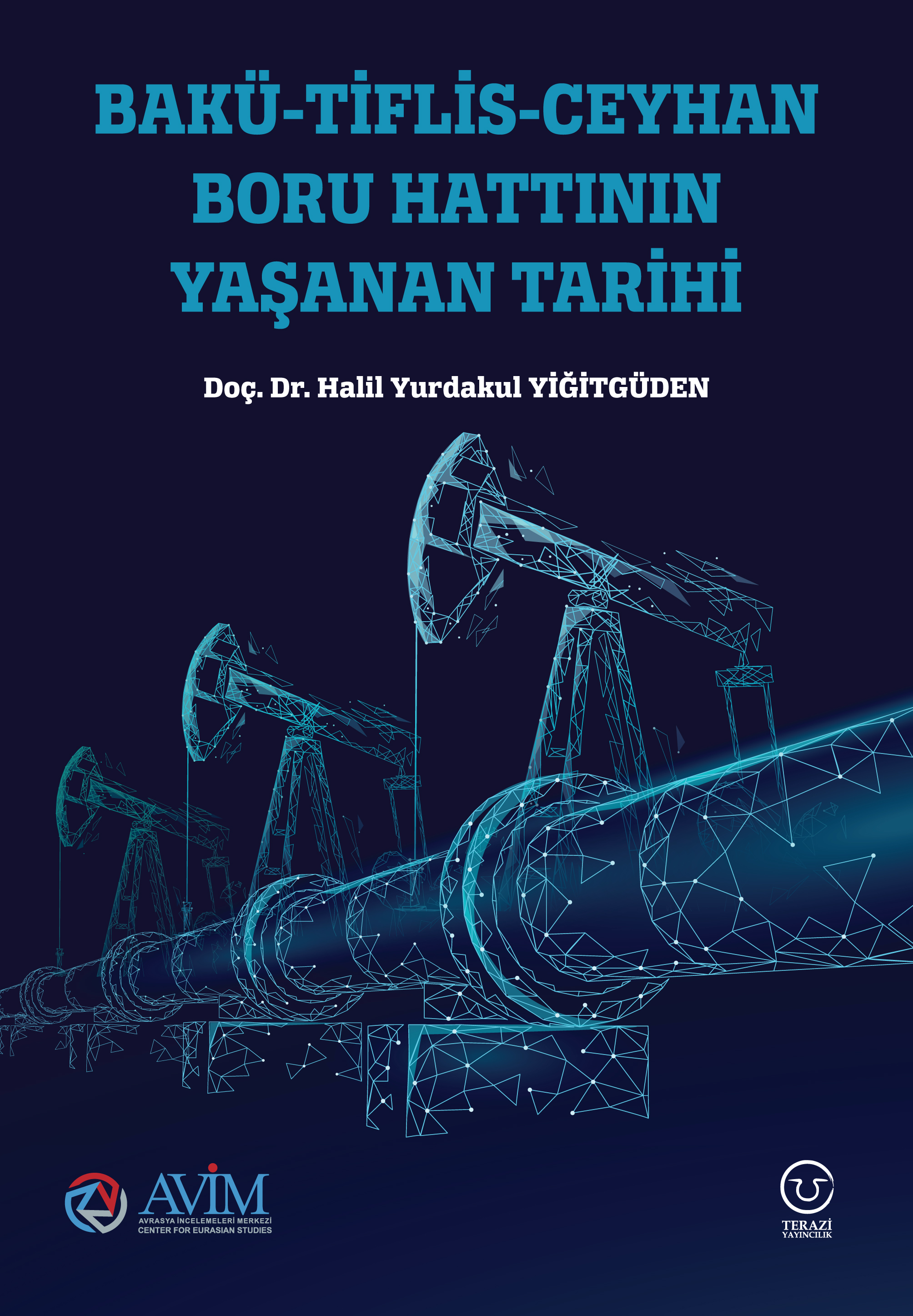
BAKÜ-TİFLİS-CEYHAN BORU HATTININ YAŞANAN TARİHİ -
16.12.2022
INTERNATIONAL SCHOLARS ON THE EVENTS OF 1915 -
07.12.2022
FAKE PHOTOS AND THE ARMENIAN PROPAGANDA -
07.12.2022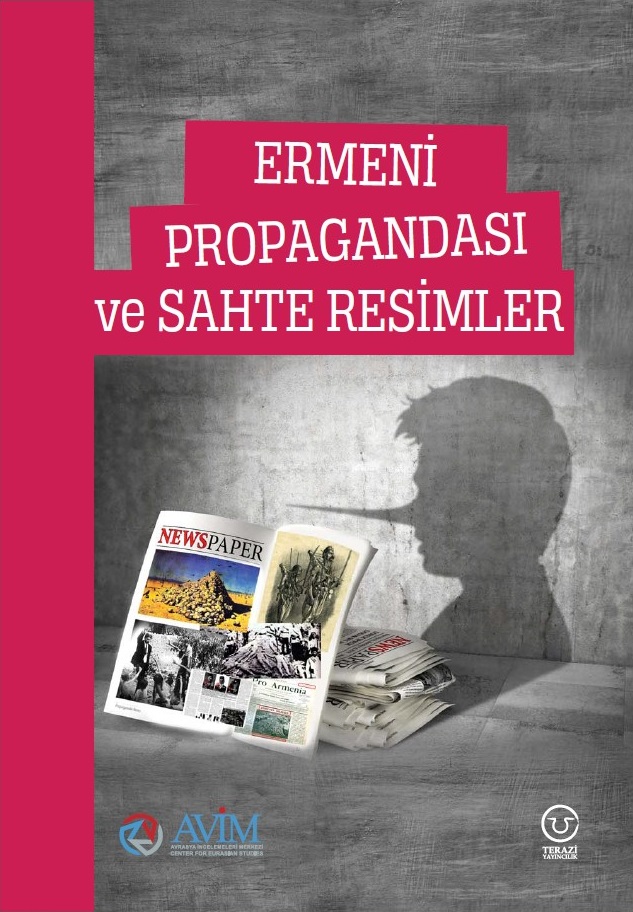
ERMENİ PROPAGANDASI VE SAHTE RESİMLER -
01.01.2022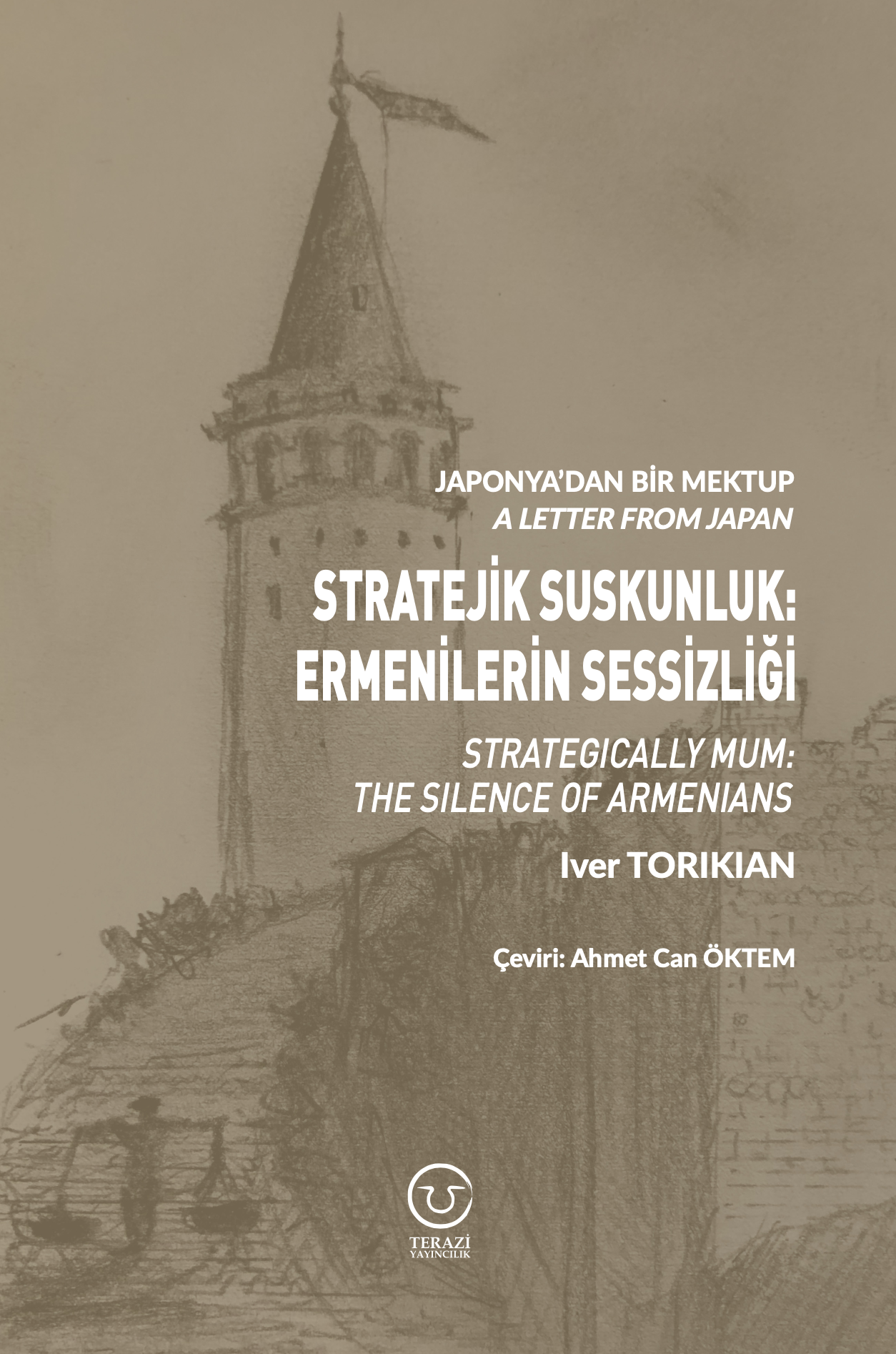
A Letter From Japan - Strategically Mum: The Silence of the Armenians -
01.01.2022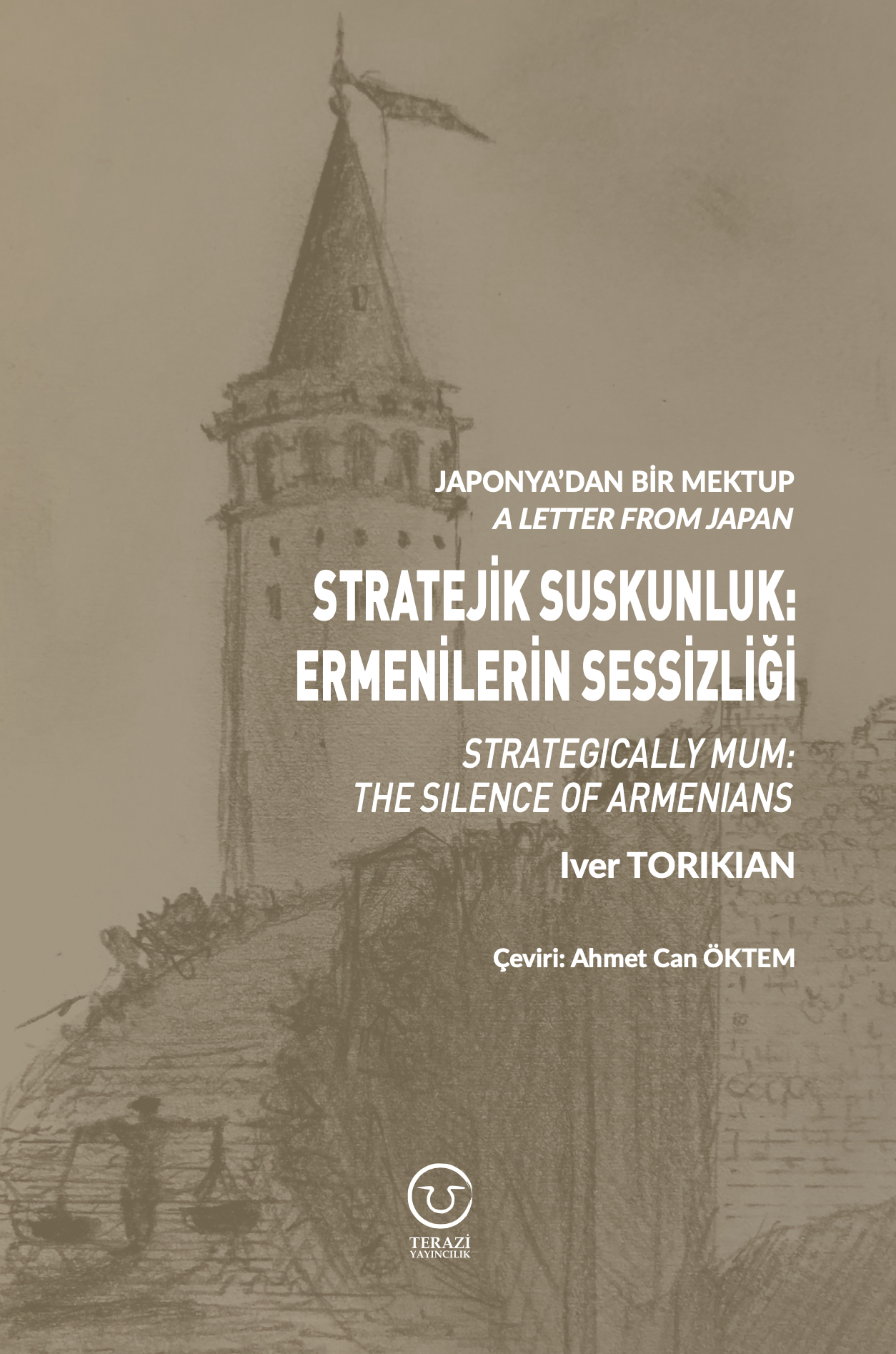
Japonya'dan Bir Mektup - Stratejik Suskunluk: Ermenilerin Sessizliği -
03.06.2020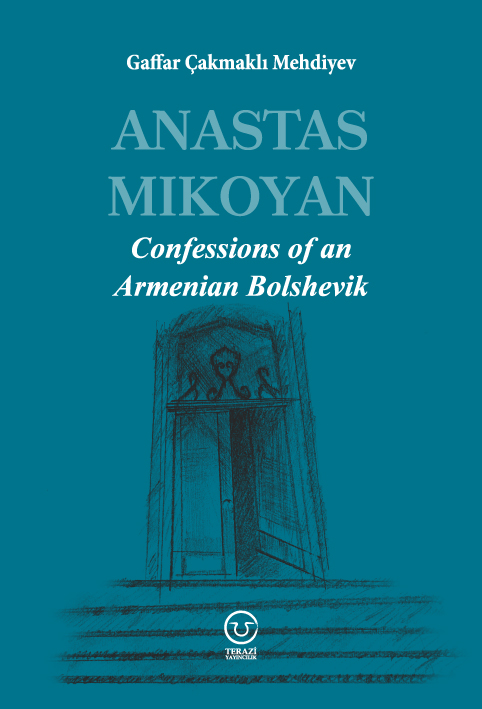
Anastas Mikoyan: Confessions of an Armenian Bolshevik -
08.04.2020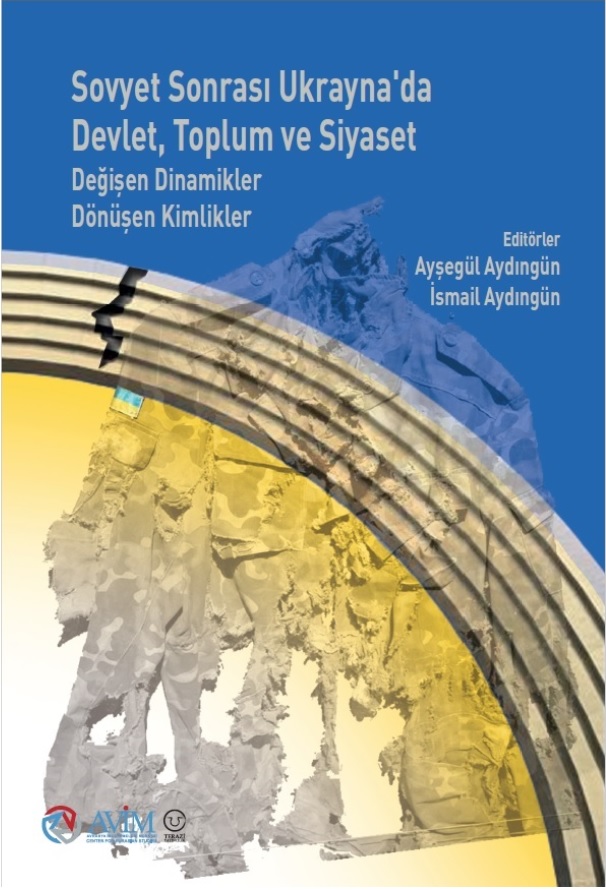
Sovyet Sonrası Ukrayna’da Devlet, Toplum ve Siyaset - Değişen Dinamikler, Dönüşen Kimlikler -
12.06.2018
Ermeni Sorunuyla İlgili İngiliz Belgeleri (1912-1923) - British Documents on Armenian Question (1912-1923) -
02.12.2016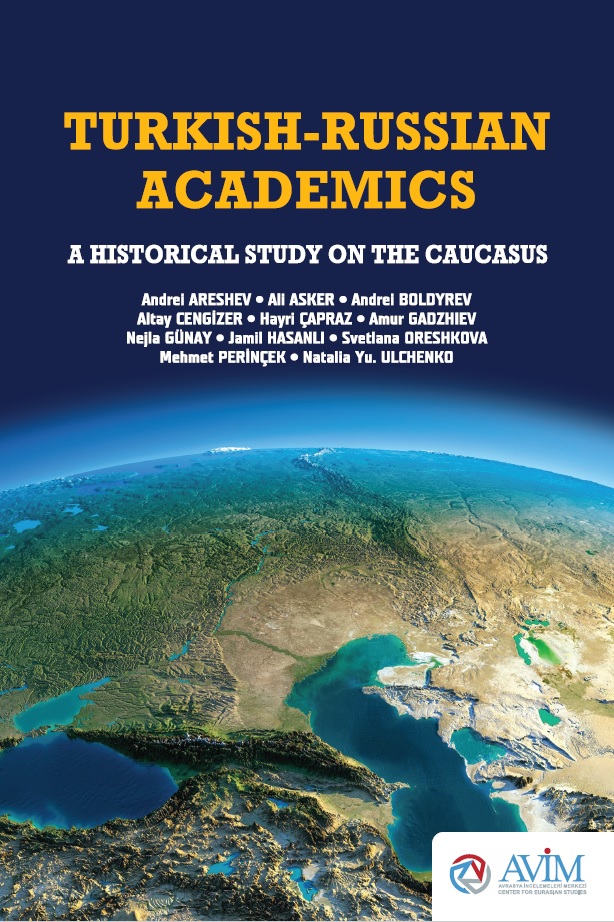
Turkish-Russian Academics: A Historical Study on the Caucasus -
01.07.2016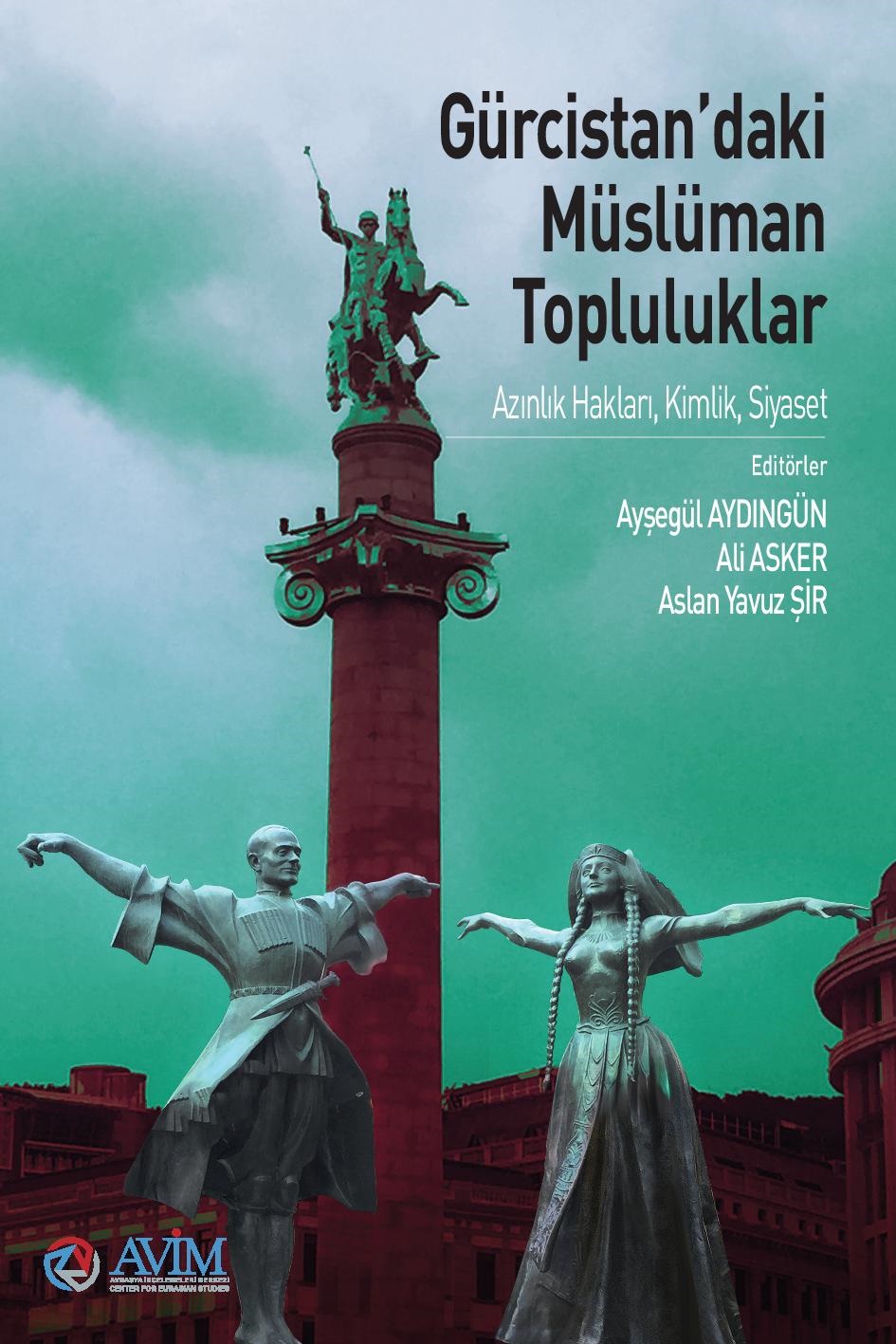
Gürcistan'daki Müslüman Topluluklar: Azınlık Hakları, Kimlik, Siyaset -
10.03.2016
Armenian Diaspora: Diaspora, State and the Imagination of the Republic of Armenia -
24.01.2016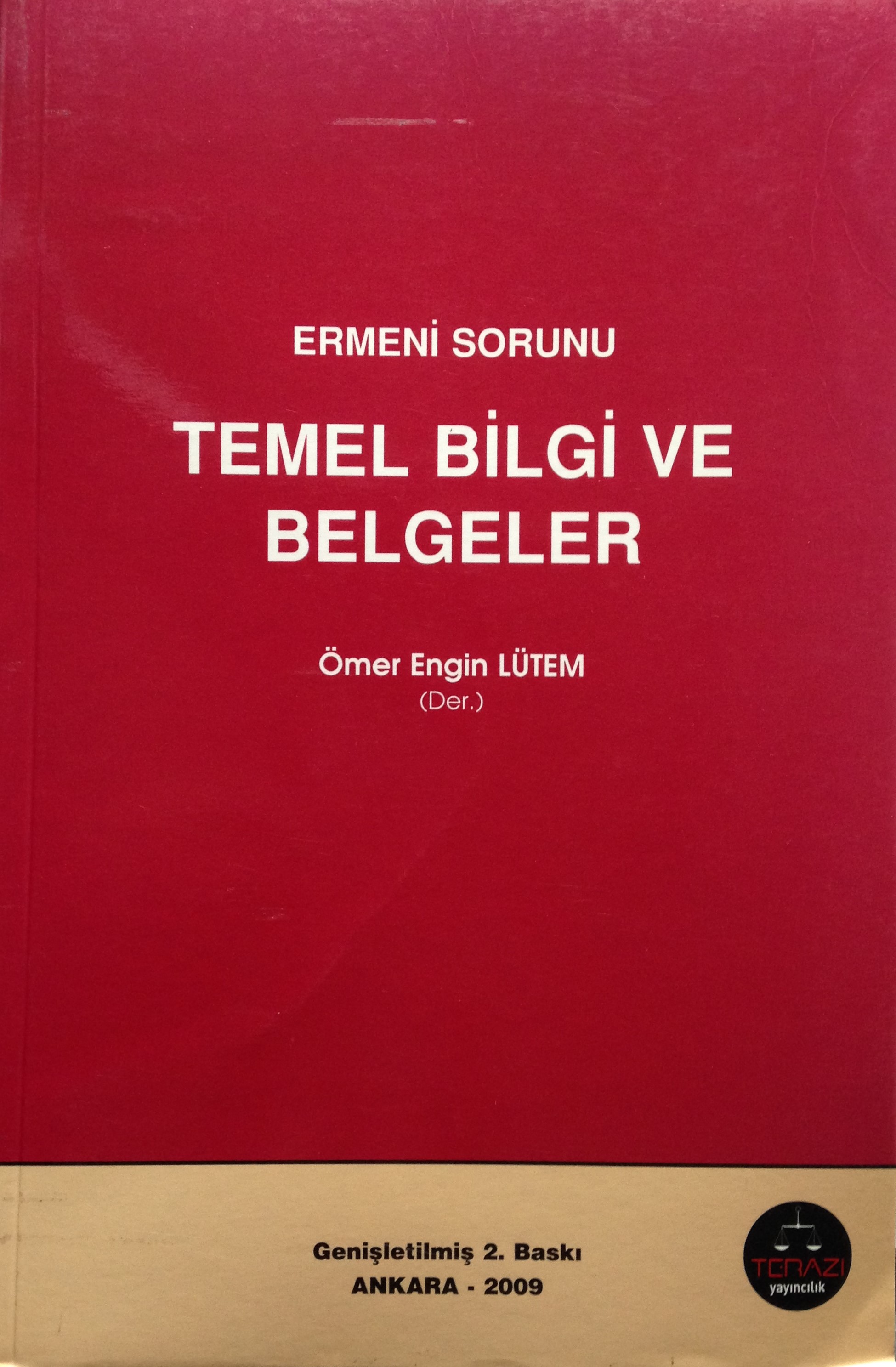
ERMENİ SORUNU - TEMEL BİLGİ VE BELGELER (2. BASKI)

-
AVİM Conference Hall 24.01.2023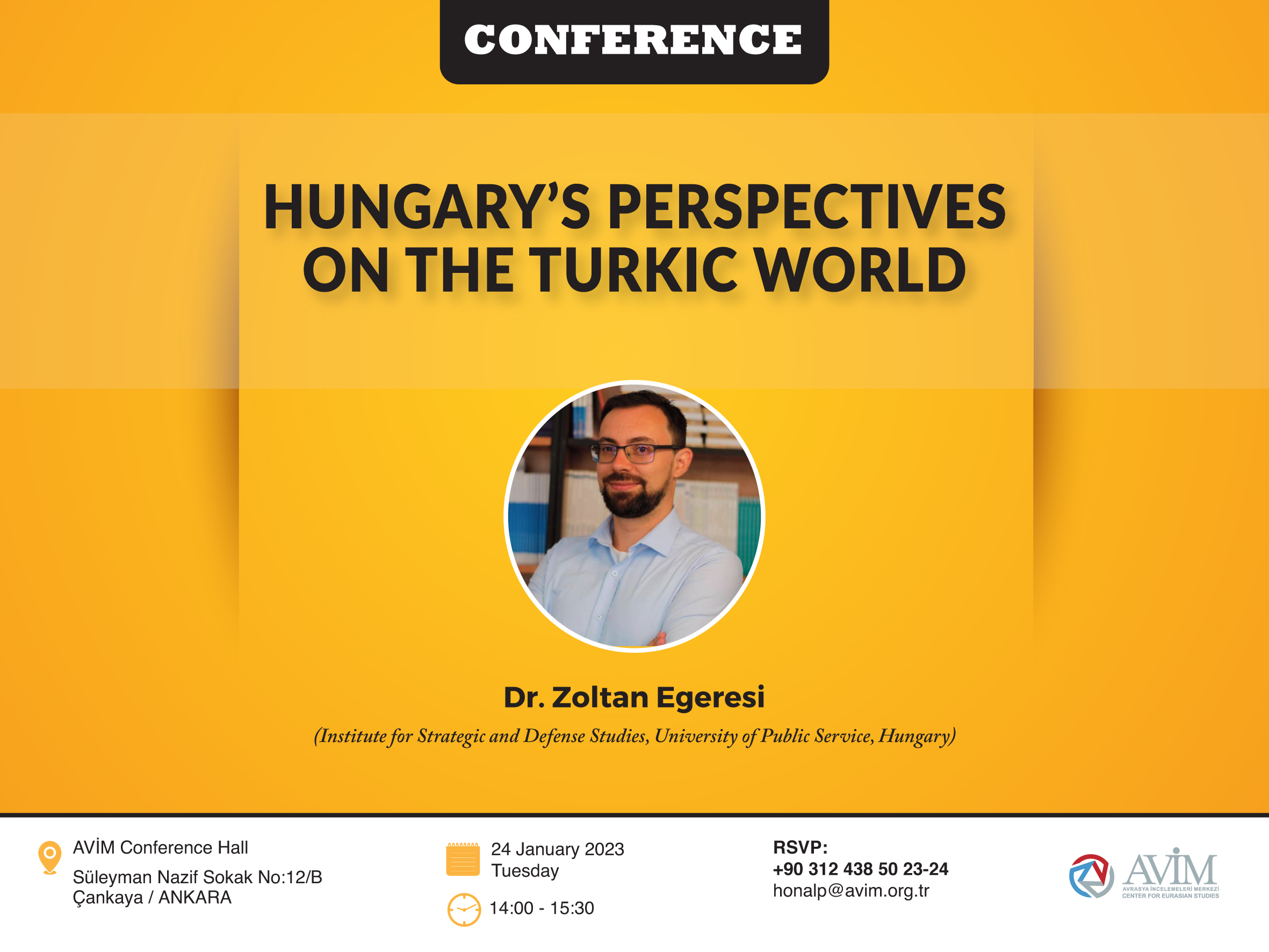
CONFERENCE TITLED “HUNGARY’S PERSPECTIVES ON THE TURKIC WORLD"