















Institute for Advanced International Studies (29 January 2025)
Nargiza Umerova
The article by Nargiza Umarova, published by the CACI Analyst, examines the growing competition over trans-Afghan transport corridors, with Uzbekistan, Turkmenistan, and Iran advancing rival railway projects to connect Central Asia with Pakistan and China. The Taliban government has actively supported these initiatives, recognizing Afghanistan’s strategic position as a transit hub. While Uzbekistan promotes the Kabul Corridor (Termez-Mazar-i-Sharif-Kabul-Peshawar), Turkmenistan backs an alternative Torghundi-Herat-Kandahar-Spin Boldak route. Meanwhile, Iran is expanding its Chabahar-Zahedan railway toward Afghanistan, aiming to establish direct links with China via Herat through the China-Kyrgyzstan-Tajikistan-Afghanistan-Iran railway corridor (the “Five Nation Road”).
As the author states, Iran’s growing influence in Afghan transport infrastructure poses a challenge to Uzbekistan’s dominance in regional transit. While Tashkent initially planned to integrate with the Iran-backed Khaf-Herat railway, it shifted focus to the Kabul Corridor to protect its own transit interests. Tajikistan, historically skeptical of the Taliban, has become more engaged in trans-Afghan projects, collaborating with China and Korea to develop a railway link through Sherkhan Bandar. Meanwhile, Turkmenistan’s TAT corridor and the Lapis Lazuli trade route offer alternative links to Turkey and Europe, increasing regional competition for control over Afghan trade routes.
No comments yet.
-
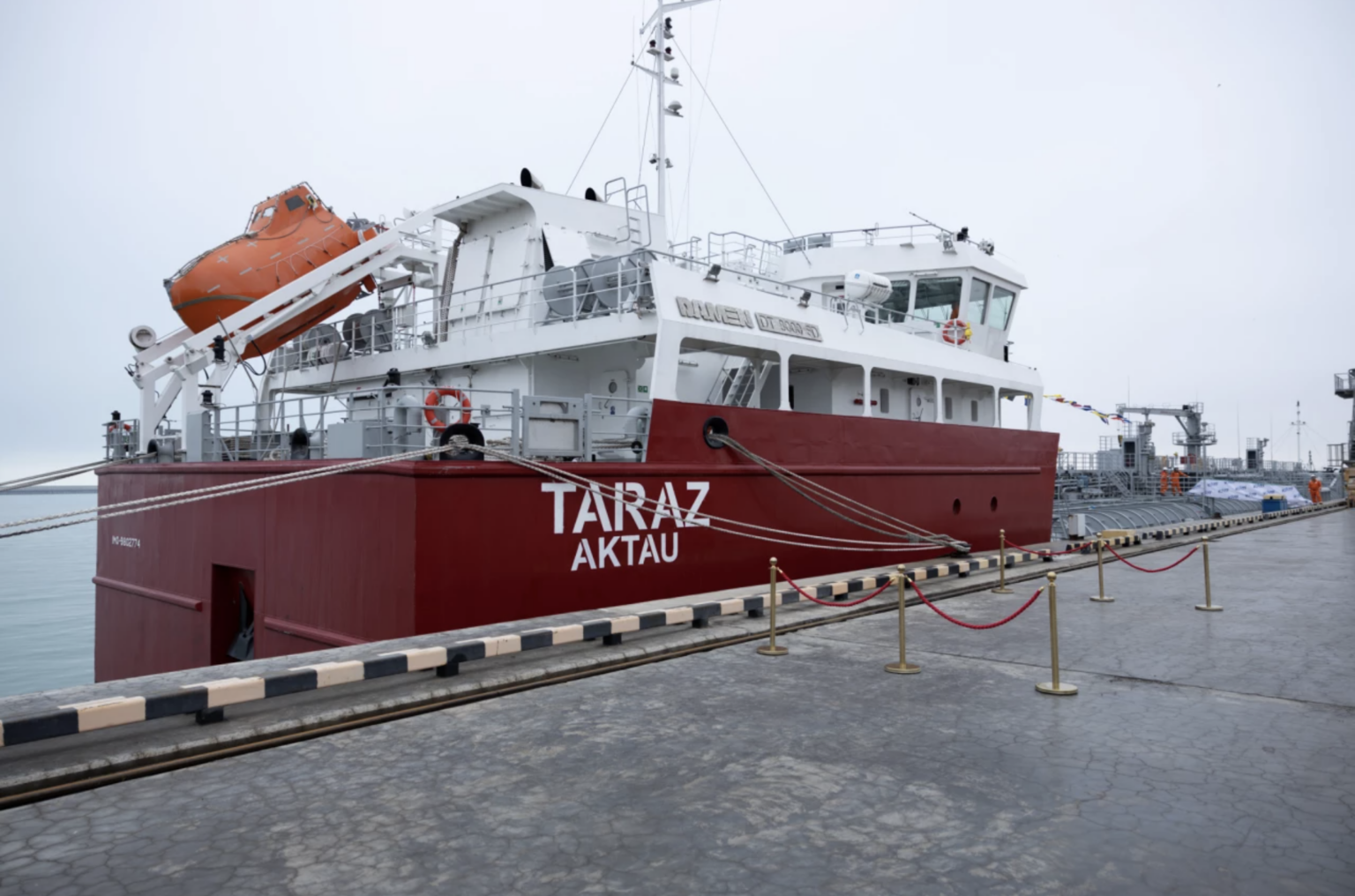 KAZAKHSTAN SHIPS FIRST KASHAGAN OIL THROUGH BAKU-TBILISI-CEYHAN PIPELINE
Central Asia
03.02.2025
KAZAKHSTAN SHIPS FIRST KASHAGAN OIL THROUGH BAKU-TBILISI-CEYHAN PIPELINE
Central Asia
03.02.2025
- STUDENT-LED PROTESTERS BLOCKADE BRIDGES IN SERBIA'S SECOND-LARGEST CITY The Balkans 03.02.2025
- ARMENIAN PM TO ATTEND INTERNATIONAL RELIGIOUS FREEDOM SUMMIT IN WASHINGTON The Caucasus and Turkish-Armenian Relations 03.02.2025
-
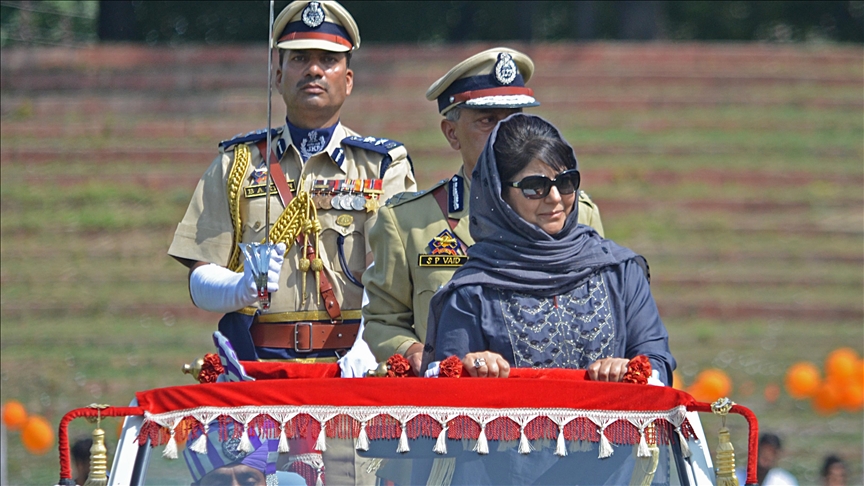 KASHMIRI LEADER CALLS ON INDIAN PREMIER'S ALLIES TO OPPOSE MUSLIM ENDOWMENT LAW IN PARLIAMENT
Asia - Pacific
03.02.2025
KASHMIRI LEADER CALLS ON INDIAN PREMIER'S ALLIES TO OPPOSE MUSLIM ENDOWMENT LAW IN PARLIAMENT
Asia - Pacific
03.02.2025
-
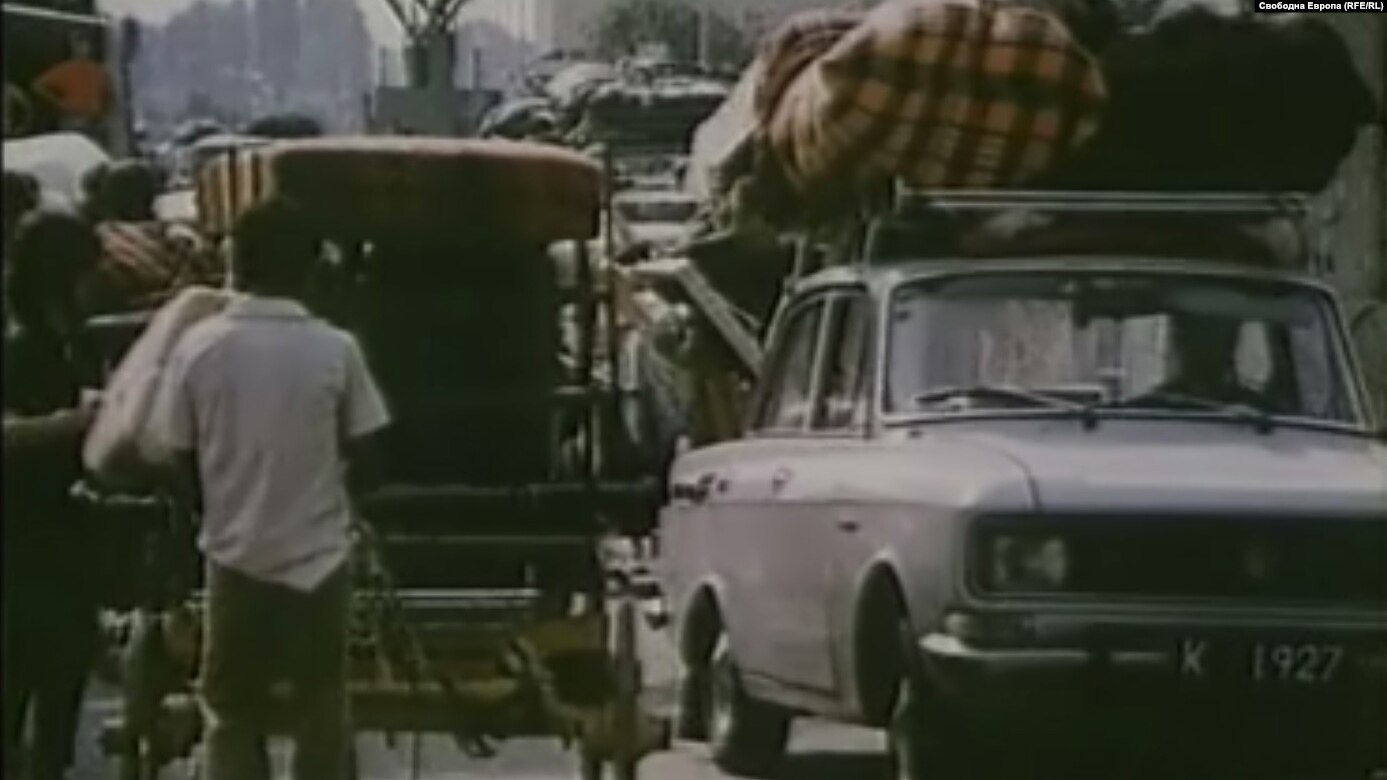 BULGARIA'S FORGOTTEN CAMPAIGN TO WIPE OUT TURKISH NAMES
The Balkans
03.02.2025
BULGARIA'S FORGOTTEN CAMPAIGN TO WIPE OUT TURKISH NAMES
The Balkans
03.02.2025
-
25.01.2016
THE ARMENIAN QUESTION - BASIC KNOWLEDGE AND DOCUMENTATION -
12.06.2024
THE TRUTH WILL OUT -
27.03.2023
RADİKAL ERMENİ UNSURLARCA GERÇEKLEŞTİRİLEN MEZALİMLER VE VANDALİZM -
17.03.2023
PATRIOTISM PERVERTED -
23.02.2023
MEN ARE LIKE THAT -
03.02.2023
BAKÜ-TİFLİS-CEYHAN BORU HATTININ YAŞANAN TARİHİ -
16.12.2022
INTERNATIONAL SCHOLARS ON THE EVENTS OF 1915 -
07.12.2022
FAKE PHOTOS AND THE ARMENIAN PROPAGANDA -
07.12.2022
ERMENİ PROPAGANDASI VE SAHTE RESİMLER -
01.01.2022
A Letter From Japan - Strategically Mum: The Silence of the Armenians -
01.01.2022
Japonya'dan Bir Mektup - Stratejik Suskunluk: Ermenilerin Sessizliği -
03.06.2020
Anastas Mikoyan: Confessions of an Armenian Bolshevik -
08.04.2020
Sovyet Sonrası Ukrayna’da Devlet, Toplum ve Siyaset - Değişen Dinamikler, Dönüşen Kimlikler -
12.06.2018
Ermeni Sorunuyla İlgili İngiliz Belgeleri (1912-1923) - British Documents on Armenian Question (1912-1923) -
02.12.2016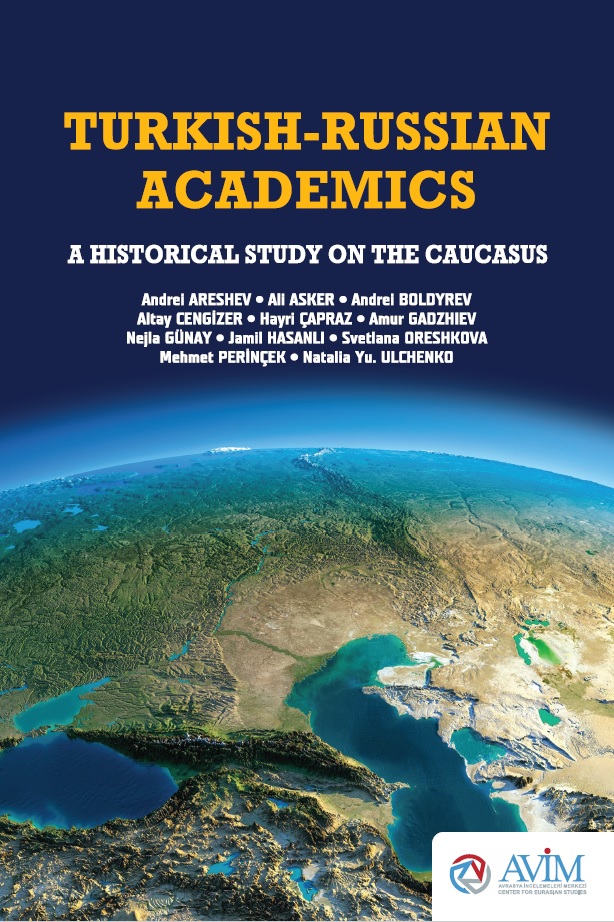
Turkish-Russian Academics: A Historical Study on the Caucasus -
01.07.2016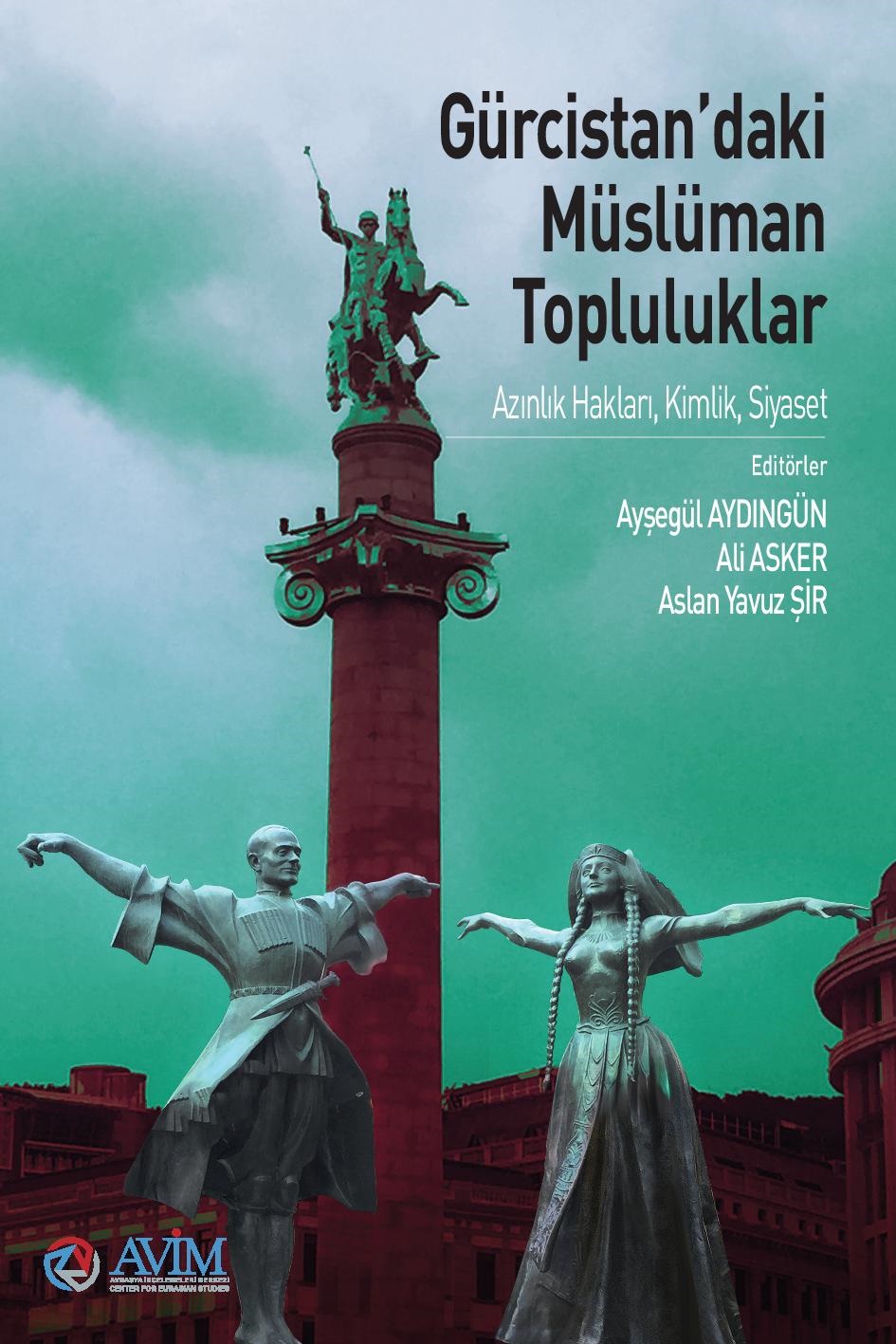
Gürcistan'daki Müslüman Topluluklar: Azınlık Hakları, Kimlik, Siyaset -
10.03.2016
Armenian Diaspora: Diaspora, State and the Imagination of the Republic of Armenia -
24.01.2016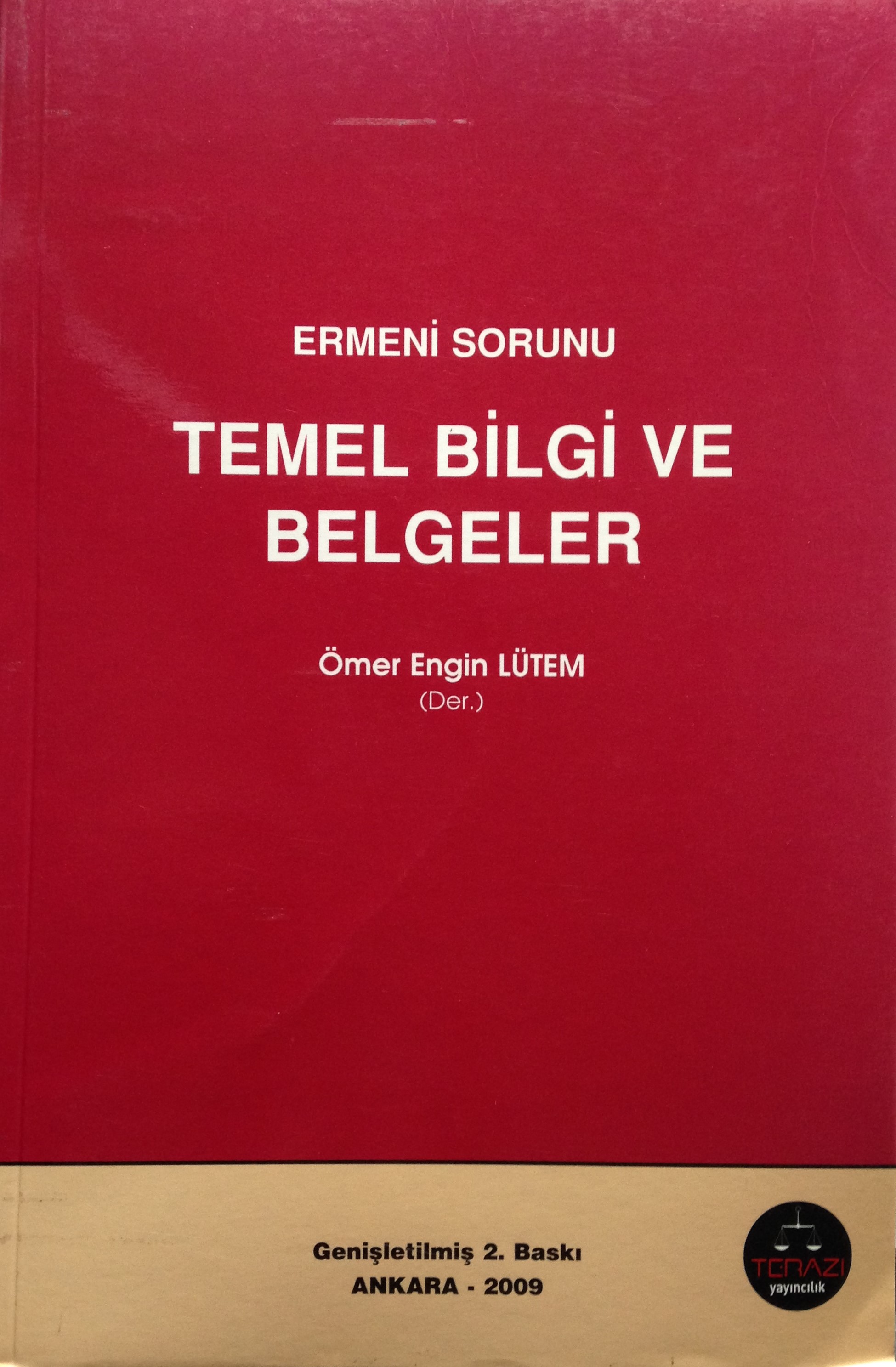
ERMENİ SORUNU - TEMEL BİLGİ VE BELGELER (2. BASKI)


-
AVİM Conference Hall 24.01.2023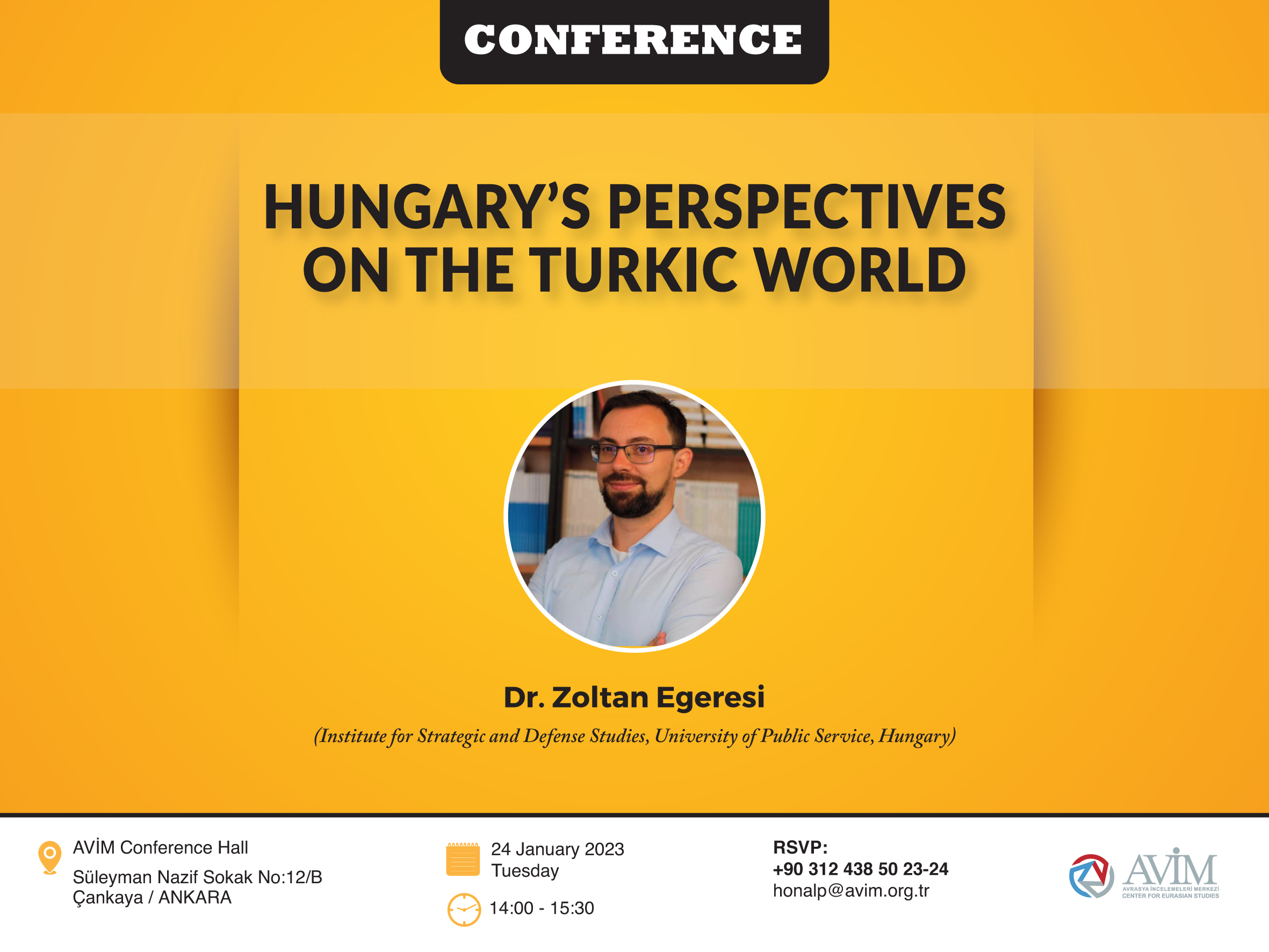
CONFERENCE TITLED “HUNGARY’S PERSPECTIVES ON THE TURKIC WORLD"