

















25.08.2016
DW.de
The German Red Cross expects around 3,000 calls for help by the end of 2016 from refugees who have lost track of family members on their perilous journey. A large number of requests come from minors.
The German Red Cross Search Agency helps people who have lost their families while fleeing war, armed conflict or natural disasters. In the first half of 2016 they have already received requests for help from 1,401 people and they expect to reach around 3,000 requests by the end of the year - a record number.
"That's an increase of almost 90 percent compared to 2015," German Red Cross (DRK) president Rudolf Seiters said at a press conference in Berlin on Thursday. "In almost half the cases, the Red Cross Search Agency was able to help family members get in touch with each other or to clear up the fate of the missing persons."
Cell phones can help
Due to the ongoing refugee crisis, the number of people losing track of their loved ones on their harrowing journey is higher than ever. Most search requests come from Afghan families and many concern unaccompanied minors, Seiters said. In the first half of this year, almost 500 requests came from parents who were looking for their children or underage refugees who were looking for their families.
Mesovic: The disaster of separated families would be even bigger without cell phones
One of the reasons that the number isn't even higher is due to the near-ubiquity of communication devices, says Bernd Mesovic, deputy director of the refugee aid organization Pro Asyl.
"Today, almost 100 percent of refugees, including the minors, have cell phones," Mesovic told DW. "It used to be totally different. Communication networks have grown by leaps and bounds."
Database of unidentified dead persons 'crucial'
One of the biggest challenges the current situation presents: identifying the bodies of those who died on their way to Europe. That includes refugees who drowned while trying to cross the Mediterranean as well as those who didn't survive the grueling walk along one of the land-based routes through conflict zones in the Middle East to the EU.
The DRK is pushing for a Europe-wide database of unidentified persons to aid relatives in their search for family members. Only when they can identify the body of a loved one and bury them, can they really find closure.
"In the face of thousands of dead refugees in the Mediterranean over the last few years, we believe a database like this is crucial," Seiters said.
According to the DRK, the German government pushed for such a system years ago, but the European Union denied the request for financial reasons.
Mesovic said for such a database to really work, DNA would have to be taken from all bodies. He also points out that not all places where refugee boats sink in the Mediterranean, for example, can be localized with the resources currently in play.
"Since you can't retrieve all bodies, there'll always be a gap," he said. "I think part of the unwillingness among Europe's governments [to move forward with the database] has to do with the technical questions. It would be really complex to implement - definitely not a small project"
The Red Cross helps refugees who cross the Mediterranean to reunite with their families
Searching for and finding missing family members has been part of the Red Cross mission since the early days: In 1859, Red Cross founder Henry Dunant collected messages of wounded and dying soldiers after the battle of Solferino, a village in Italy where Austrian troops fought an alliance of the French and Sardinian armies. Dunant then delivered the information to the troops' families.
In 2015, the 190 national Red Cross and Red Crescent organizations across the world reunited 1,074 people with their families. The aid organizations received 129,778 messages for missing family members and managed to find the person in question and deliver the message 106,108 times that year. That amounts to a success quota of almost 82 percent.
Many of those messages go out to people who are held in prisons, often without their families' knowledge. The Red Cross and Red Crescent delivered roughly 10,600 messages to prisoners, about half the amount they had received.
The German Red Cross' press conference on Thursday was held in anticipation of the occasion of the International Day of the Disappeared which falls on August 30. The day was created to draw attention to the fate of individuals who are imprisoned under bad conditions and in places unknown to their families and their legal guardians - if they have any.
Online searches a big step forward
The DRK also emphasized how important online portals are in the search for missing persons. On the "Trace the face" website, people who have lost their family can upload their photo so that relatives can find them. They can also browse hundreds of photos of people who are looking for a lost father, mother, brother or sister. There is a separate, password-protected, portal for children and youth.
Together, these two services "have significantly expanded and improved the search opportunities for adult and underage refugees," according to the German Red Cross.
No comments yet.
- ARMENIA HARMS NEGOTIATIONS, PROMOTES SEPARATIST REGIME The Caucasus and Turkish-Armenian Relations 26.08.2016
- FICO LOBBIES PUTIN FOR LAJCAK AS UN CHIEF Europe - EU 26.08.2016
-
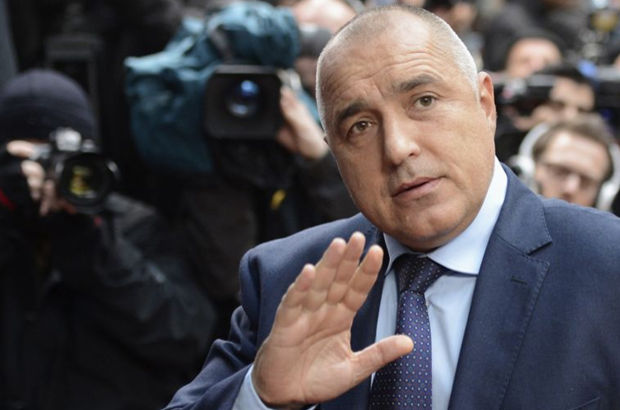 PRIME MINISTER BOYKO BORISOV TO MEET WITH TURKISH PRESIDENT RECEP TAYYIP ERDOGAN
The Balkans
26.08.2016
PRIME MINISTER BOYKO BORISOV TO MEET WITH TURKISH PRESIDENT RECEP TAYYIP ERDOGAN
The Balkans
26.08.2016
- MOODY’S: POLAND RISKS CREDIT DOWNGRADE, DIVESTMENT, OVER DEMOCRACY DEFICIT Europe - EU 26.08.2016
- UZBEKISTAN CLAIMS DISPUTED TERRITORY ALONG BORDER WITH KYRGYZSTAN Asia - Pacific 26.08.2016
-
25.01.2016
THE ARMENIAN QUESTION - BASIC KNOWLEDGE AND DOCUMENTATION -
12.06.2024
THE TRUTH WILL OUT -
27.03.2023
RADİKAL ERMENİ UNSURLARCA GERÇEKLEŞTİRİLEN MEZALİMLER VE VANDALİZM -
17.03.2023
PATRIOTISM PERVERTED -
23.02.2023
MEN ARE LIKE THAT -
03.02.2023
BAKÜ-TİFLİS-CEYHAN BORU HATTININ YAŞANAN TARİHİ -
16.12.2022
INTERNATIONAL SCHOLARS ON THE EVENTS OF 1915 -
07.12.2022
FAKE PHOTOS AND THE ARMENIAN PROPAGANDA -
07.12.2022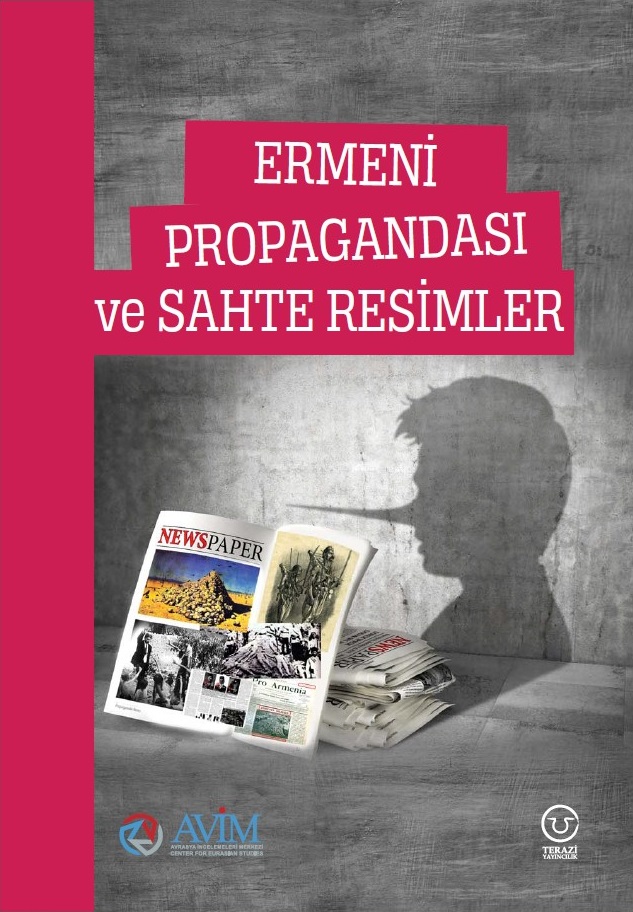
ERMENİ PROPAGANDASI VE SAHTE RESİMLER -
01.01.2022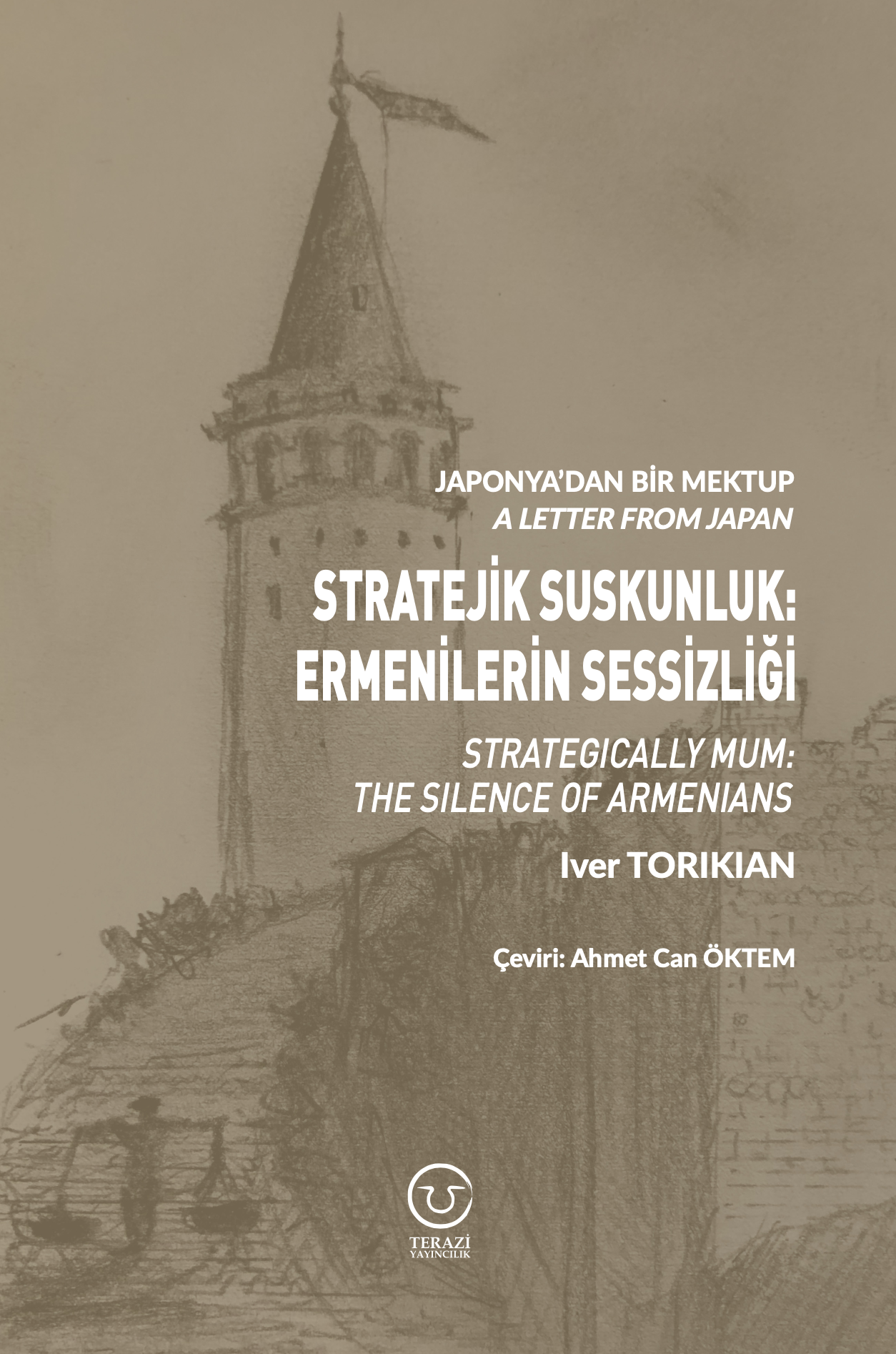
A Letter From Japan - Strategically Mum: The Silence of the Armenians -
01.01.2022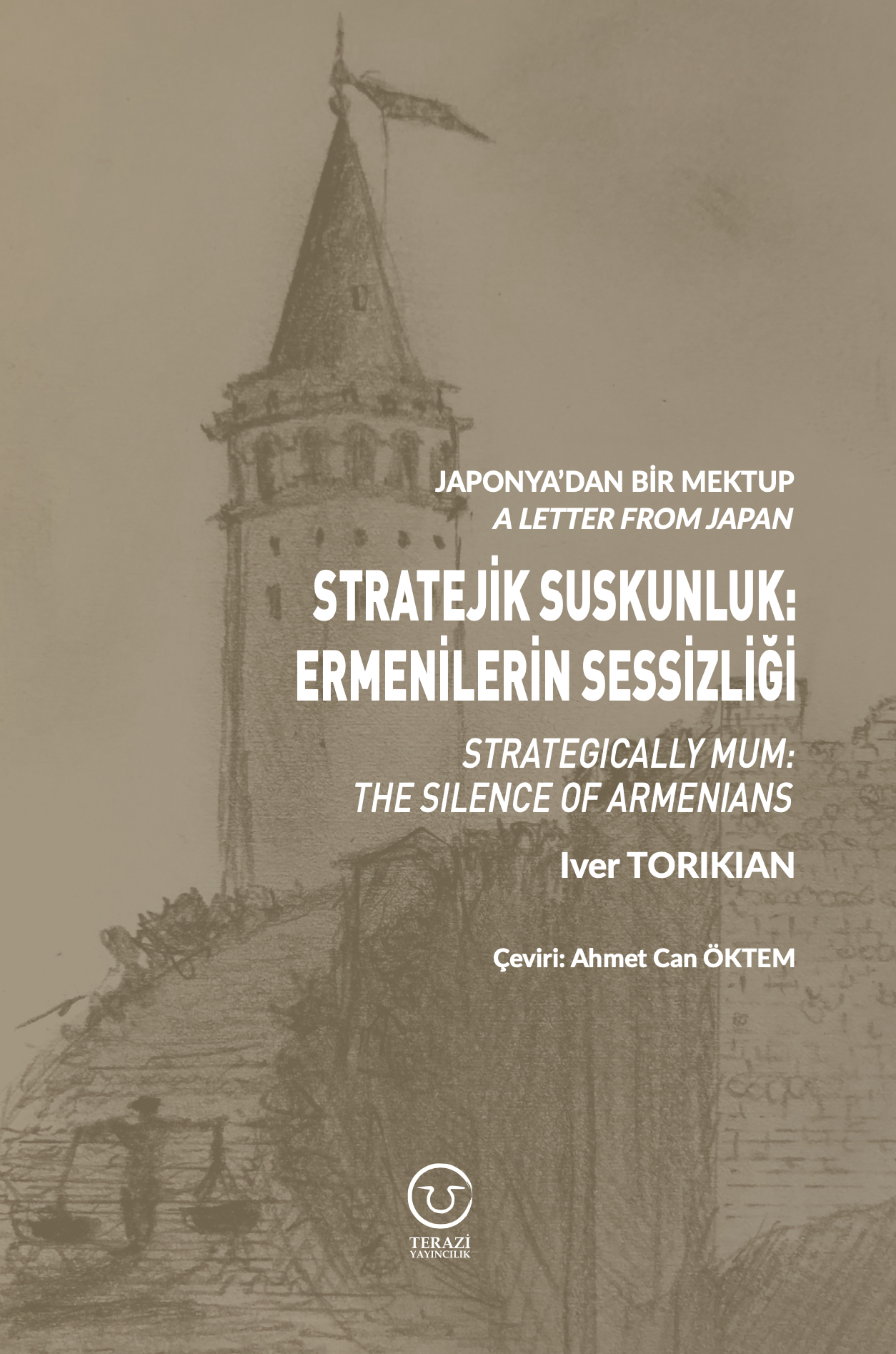
Japonya'dan Bir Mektup - Stratejik Suskunluk: Ermenilerin Sessizliği -
03.06.2020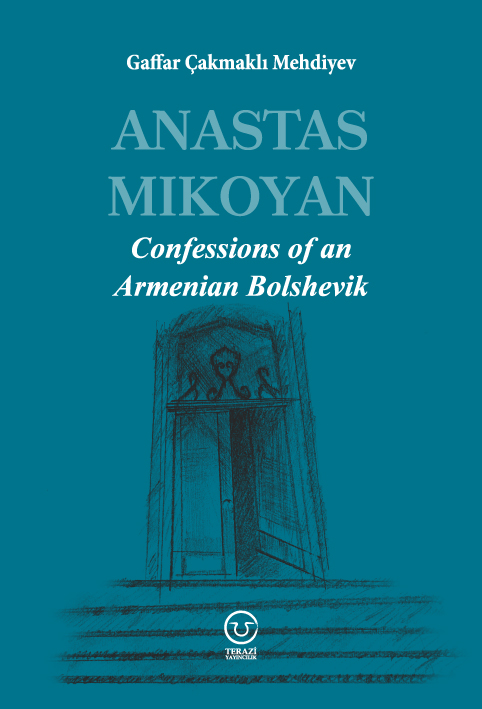
Anastas Mikoyan: Confessions of an Armenian Bolshevik -
08.04.2020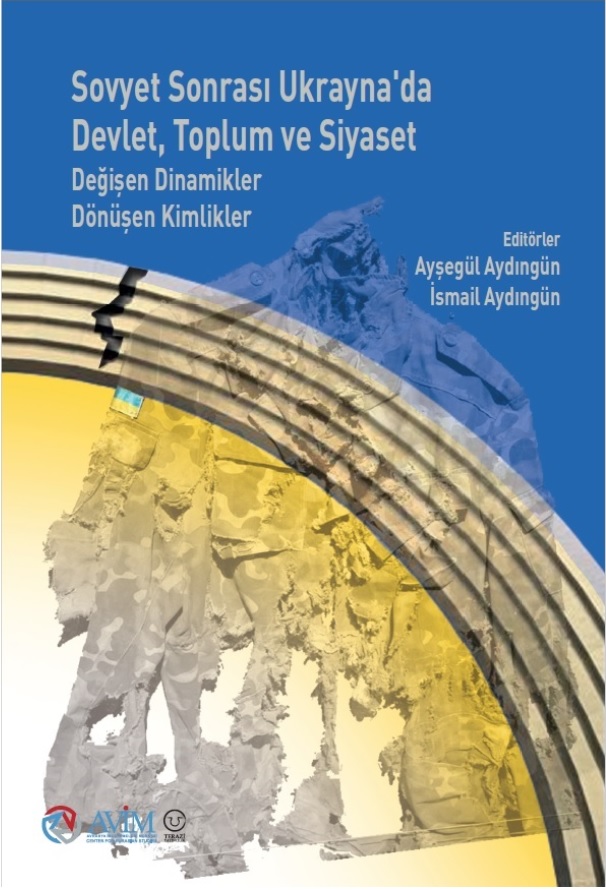
Sovyet Sonrası Ukrayna’da Devlet, Toplum ve Siyaset - Değişen Dinamikler, Dönüşen Kimlikler -
12.06.2018
Ermeni Sorunuyla İlgili İngiliz Belgeleri (1912-1923) - British Documents on Armenian Question (1912-1923) -
02.12.2016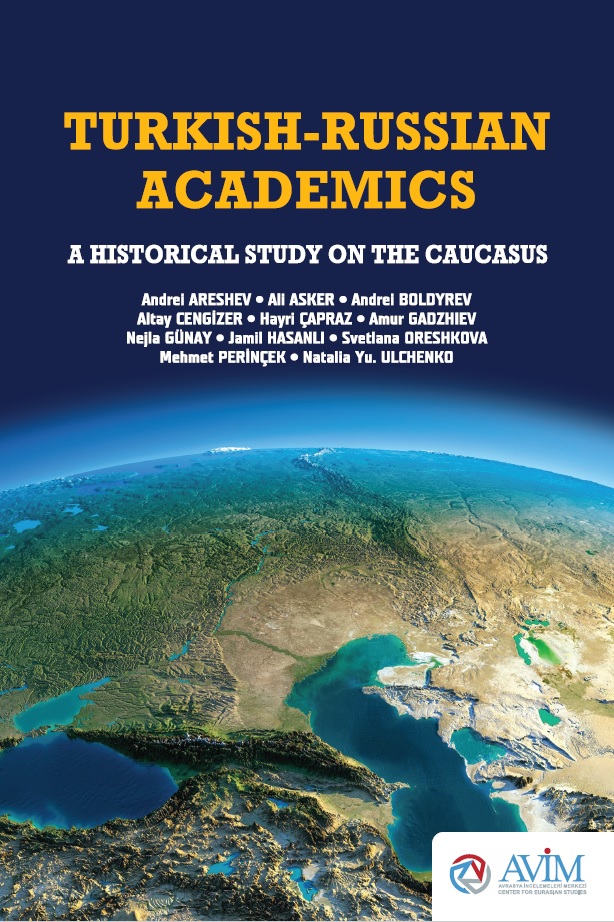
Turkish-Russian Academics: A Historical Study on the Caucasus -
01.07.2016
Gürcistan'daki Müslüman Topluluklar: Azınlık Hakları, Kimlik, Siyaset -
10.03.2016
Armenian Diaspora: Diaspora, State and the Imagination of the Republic of Armenia -
24.01.2016
ERMENİ SORUNU - TEMEL BİLGİ VE BELGELER (2. BASKI)

-
AVİM Conference Hall 24.01.2023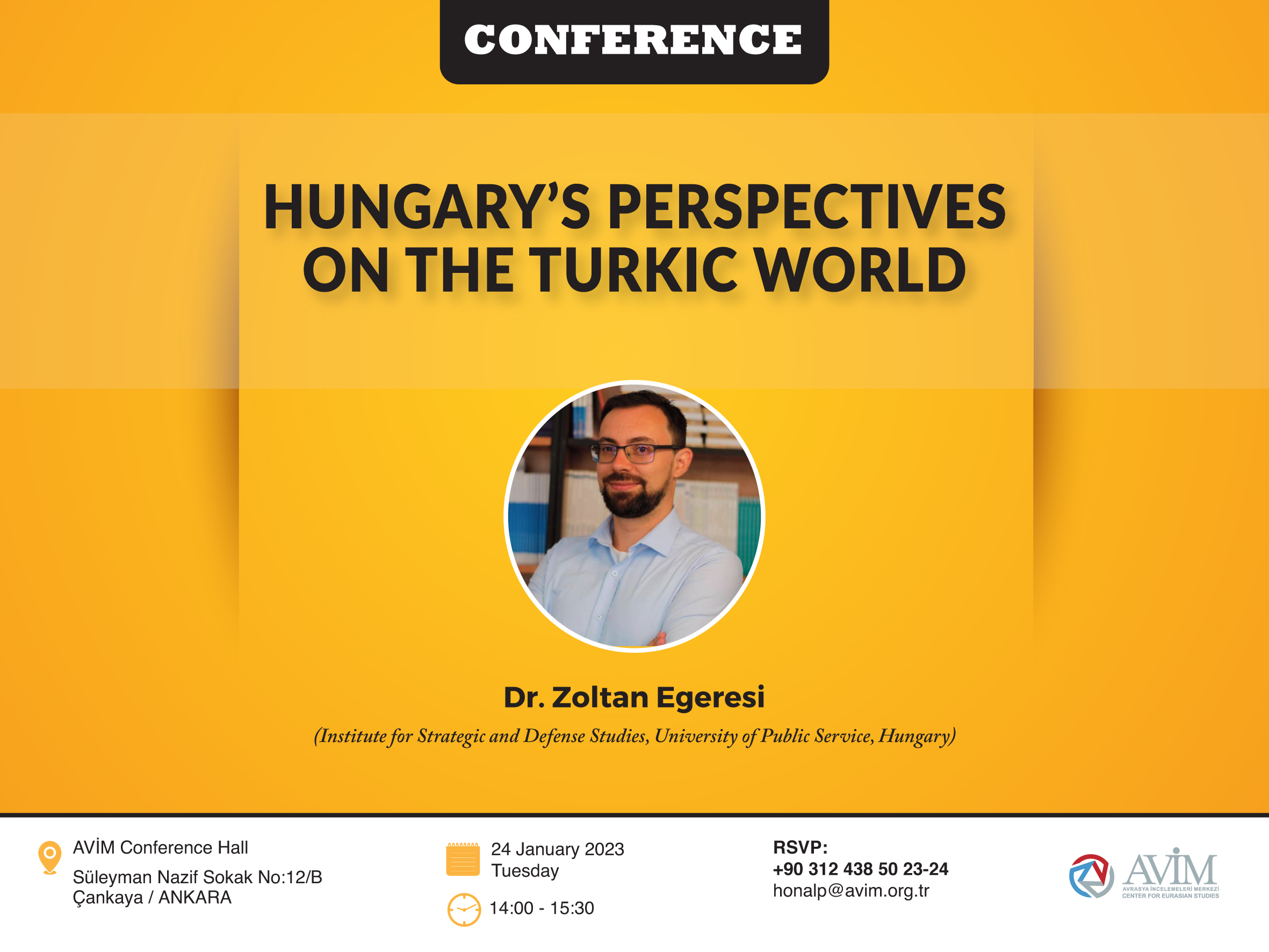
CONFERENCE TITLED “HUNGARY’S PERSPECTIVES ON THE TURKIC WORLD"