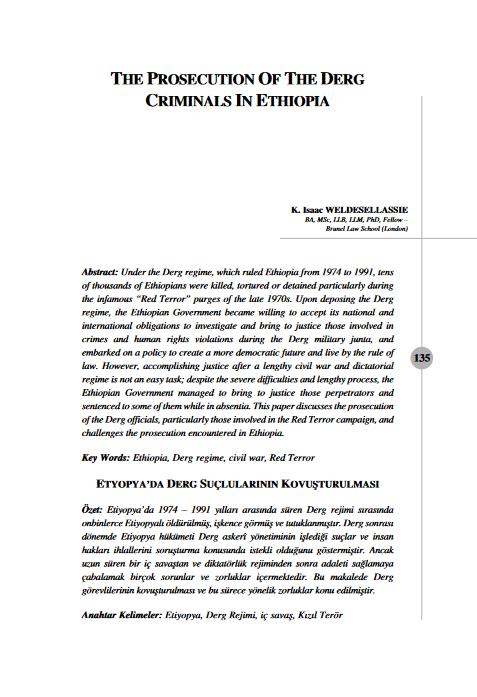


















Deutsche Welle (26 March 2018)
A clampdown on Europe's eastern borders and the Aegean Sea has forced migrants to seek different — and more dangerous — routes to the Continent. Hunters and fishermen find their bodies, reports Anthee Carassava.
Along Greece's northeast rim, an elusive marshland of a river marks the country's border with Turkey.
Its endless swathes of sensational sand dunes, swamps and reed beds have made it an attractive crossing for destitute refugees. In fact, since the European Union and Turkey struck a deal that has helped plug the most popular migration route to the Continent — the Aegean Sea — the nearly 200-kilometer (124 mile) Evros River has seen refugee flows surge.
It's not clear how many make it across. But last year alone, officials from Frontex, the EU's border agency, said they intercepted 5,500 illegal crossings, a whopping 80 percent rise compared to the previous year.
During that same period, Turkish authorities told the United Nations they had intercept nearly 21,000 people, more than triple the numbers reported the previous year.
Whatever the number, experts warn that the seemingly easy crossings are turning perilous. Dead bodies are increasingly washing up, keeping local morgues at the city of Alexandroupolis, packed.
While thousands of border guards patrol the river, local hunters and fishermen are usually the first to find the bodies.
"It's not one, two or five," says Nikos Xanthopoulos, a local fisherman. "I have lost count of the dead bodies I have seen drifting down the river, washing up on the banks or flushing out into the Aegean Sea."
Sometimes, he tells DW, taking a sip of raki at his dusty green fishing hut along the Evros, the 58-year-old says he spots bodies snagged on twigs or reeds, in the river.
"I tug them to the banks and then call the police to pick them up," he says, taking a deep drag on his cigarette. "Many of them are in awful, just awful condition."
Turks come second to Syrians
But even for those who do make it across, the prospect of a brutal death looms. In the past year, locals say, dozens of bodies have been found in hunters' sheds, half eaten by wild dogs and other animals. Wet, cold, tired and lost, other victims have been hit by trains; their bodies found along nearby train tracks.
Refugees who die trying to cross the border into Greece sometimes end up in mass graves
Images provided by Pavlos Pavlidis, the region's state coroner, showed one of the most recent victims — a young man — horrifically decomposed and almost mummified. His hands were covered in blood. His face had turned coal black. And his eye sockets appeared empty.
Asked what may have happened to his eyes, Dr. Pavlidis said wild birds had eaten them.
The young man, presumed to have been a Syrian refugee, died of hypothermia.
Days later, fishermen reeled out the bodies of a mother and her two toddlers, among a team of eight who tried to cross the river in a flimsy raft, but failed.
Authorities say most of the victims are Syrians. But Turkish nationals now represent the second-highest nationality making the crossings, fleeing the iron-first rule of the government of President Tayyip Recep Erdogan.
Documents found on the mother and her toddlers showed that the family was Turkish.
Most identities of the victims, however, remain unknown. Their personal belongings remain stored in small Ziploc bags, stuffed in a shoebox at the local morgue in Alexandroupolis.
Aided, in part, by the Red Cross, Dr. Pavlidis is trying to put together a database to help identify the victims and return the migrants to their families.
"It is very important to me to give the bodies to the relatives," he says. "It is respect. It is respect for the dead. It is respect for the relatives."
No comments yet.
- 'THINKING GLOBALLY, ACTING LOCALLY' - EURONEWS DISCUSSES 30 YEARS OF THE EU'S COHESION POLICY Europe - EU 26.03.2018
- OVER 10,000 JOIN RALLY CALLING FOR MOLDOVA TO BE UNIFIED WITH ROMANIA The Balkans 26.03.2018
- TURKISH, EU LEADERS TO MEET IN BULGARIA’S VARNA The Balkans 26.03.2018
- SHELL EXITS LAST IRAQ OIL HOLDING WITH $406MN ITOCHU DEAL Iraq 26.03.2018
- GEORGIA, UK SIGN DEAL FURTHERING DEFENCE PARTNERSHIP The Caucasus and Turkish-Armenian Relations 26.03.2018
-
25.01.2016
THE ARMENIAN QUESTION - BASIC KNOWLEDGE AND DOCUMENTATION -
12.06.2024
THE TRUTH WILL OUT -
27.03.2023
RADİKAL ERMENİ UNSURLARCA GERÇEKLEŞTİRİLEN MEZALİMLER VE VANDALİZM -
17.03.2023
PATRIOTISM PERVERTED -
23.02.2023
MEN ARE LIKE THAT -
03.02.2023
BAKÜ-TİFLİS-CEYHAN BORU HATTININ YAŞANAN TARİHİ -
16.12.2022
INTERNATIONAL SCHOLARS ON THE EVENTS OF 1915 -
07.12.2022
FAKE PHOTOS AND THE ARMENIAN PROPAGANDA -
07.12.2022
ERMENİ PROPAGANDASI VE SAHTE RESİMLER -
01.01.2022
A Letter From Japan - Strategically Mum: The Silence of the Armenians -
01.01.2022
Japonya'dan Bir Mektup - Stratejik Suskunluk: Ermenilerin Sessizliği -
03.06.2020
Anastas Mikoyan: Confessions of an Armenian Bolshevik -
08.04.2020
Sovyet Sonrası Ukrayna’da Devlet, Toplum ve Siyaset - Değişen Dinamikler, Dönüşen Kimlikler -
12.06.2018
Ermeni Sorunuyla İlgili İngiliz Belgeleri (1912-1923) - British Documents on Armenian Question (1912-1923) -
02.12.2016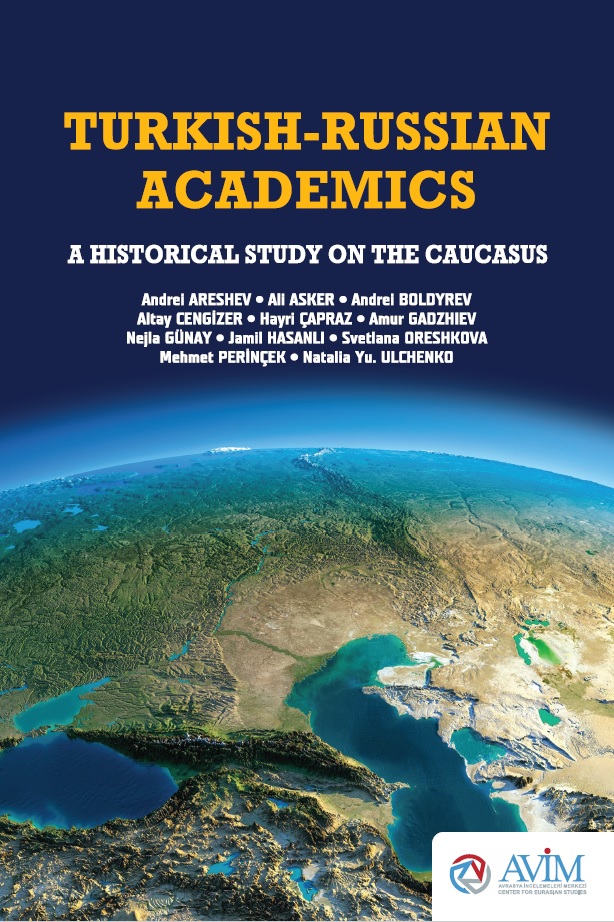
Turkish-Russian Academics: A Historical Study on the Caucasus -
01.07.2016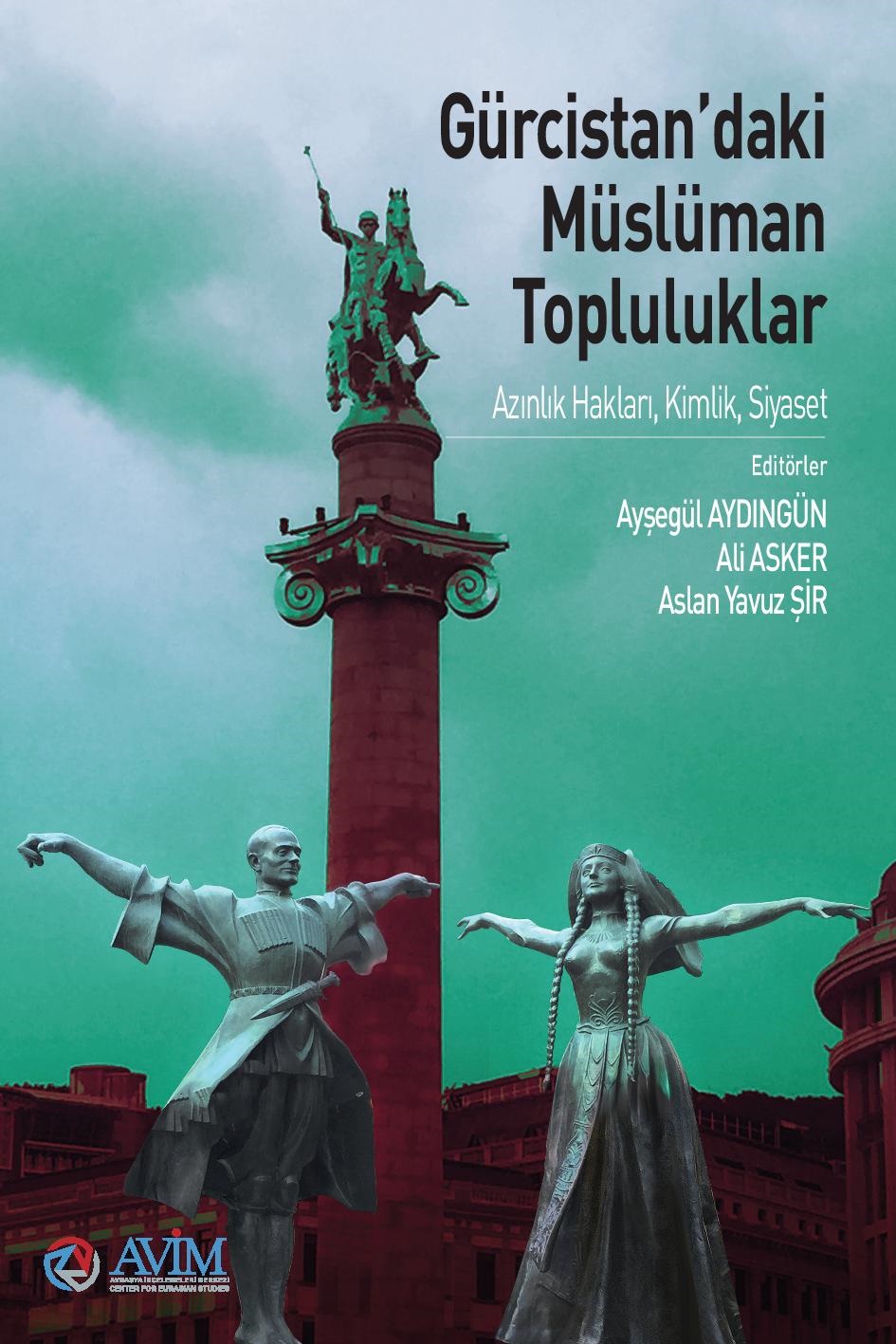
Gürcistan'daki Müslüman Topluluklar: Azınlık Hakları, Kimlik, Siyaset -
10.03.2016
Armenian Diaspora: Diaspora, State and the Imagination of the Republic of Armenia -
24.01.2016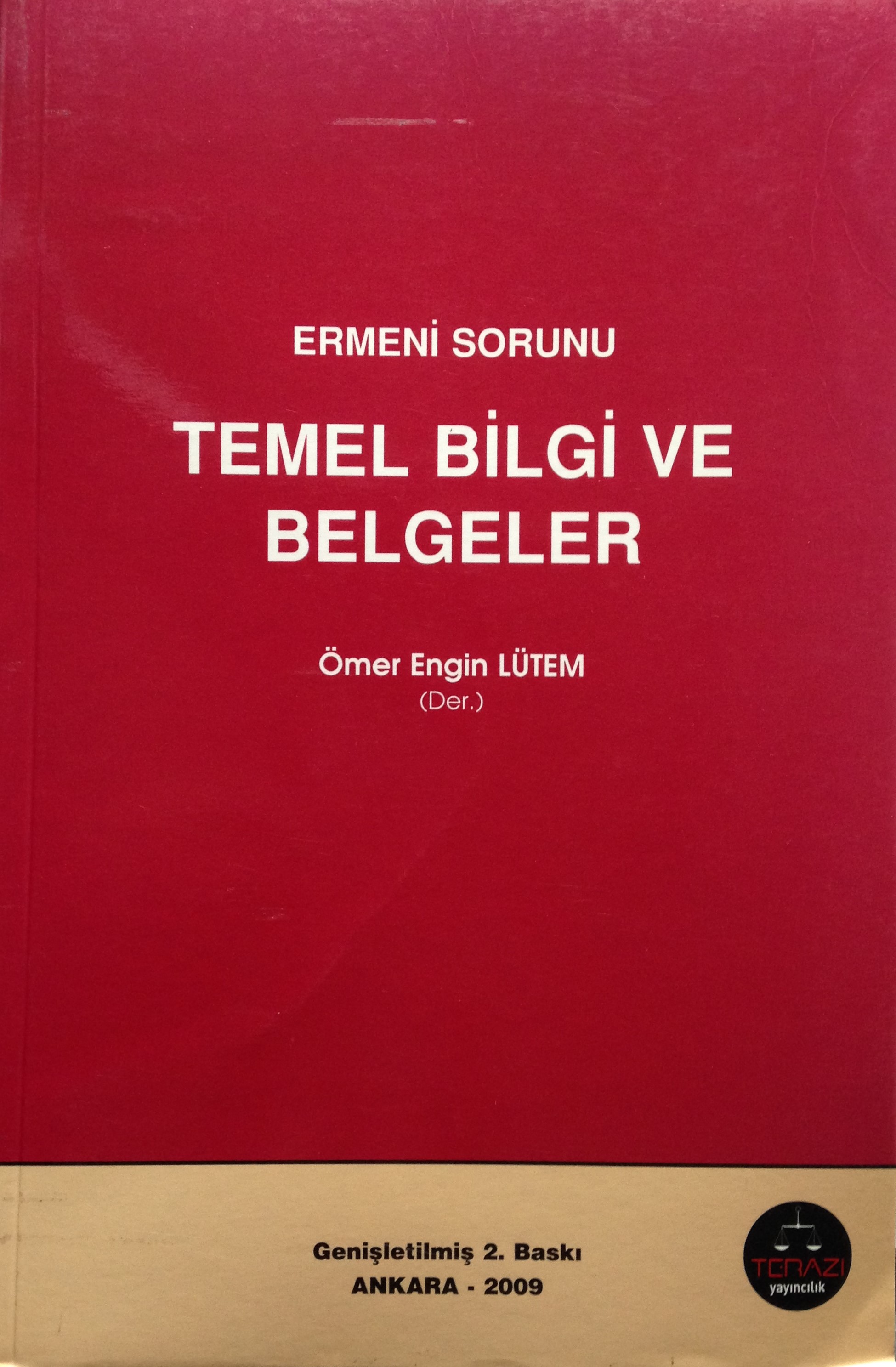
ERMENİ SORUNU - TEMEL BİLGİ VE BELGELER (2. BASKI)
-
AVİM Conference Hall 24.01.2023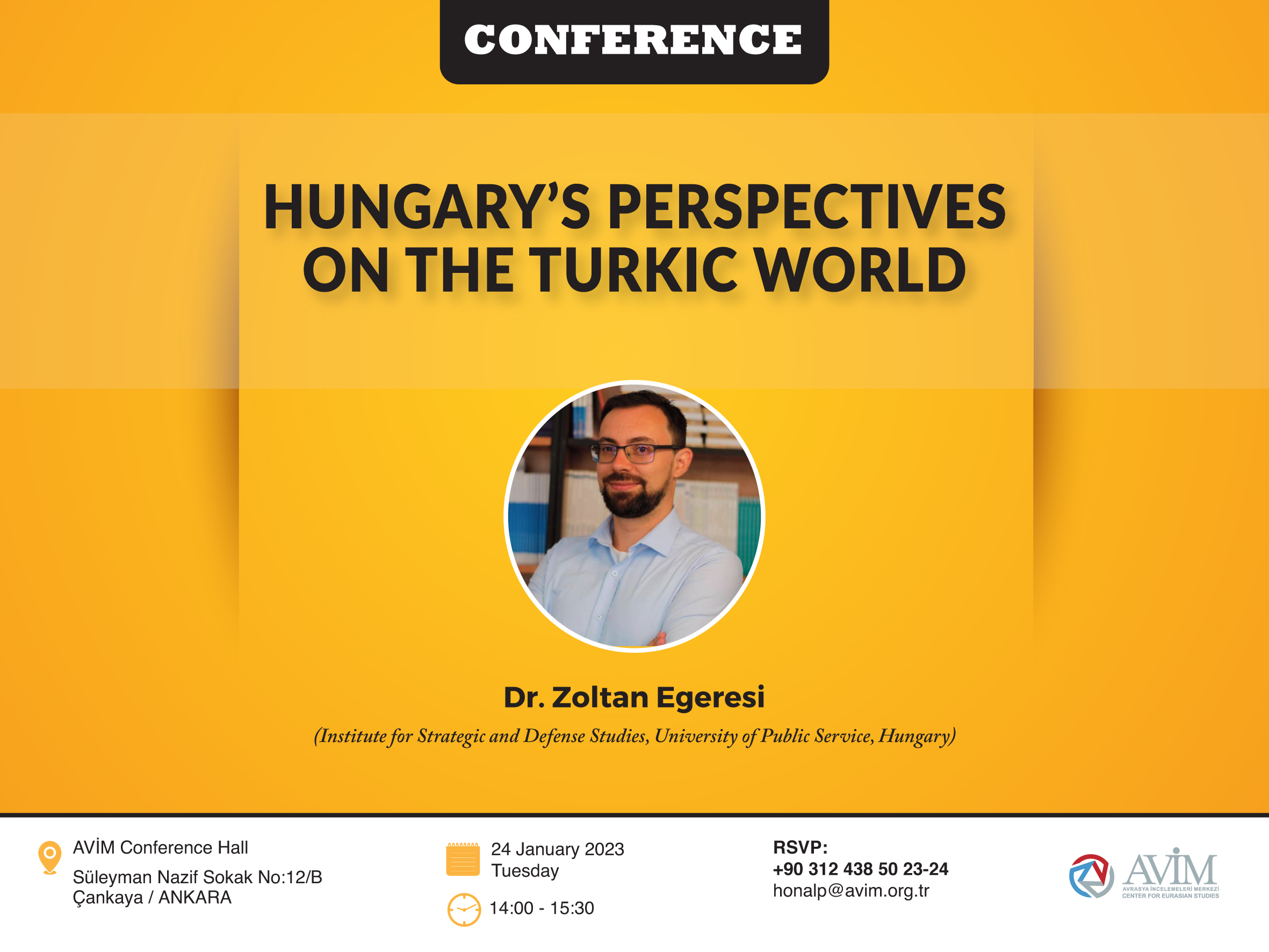
CONFERENCE TITLED “HUNGARY’S PERSPECTIVES ON THE TURKIC WORLD"