

















BBC (6 September 2019)
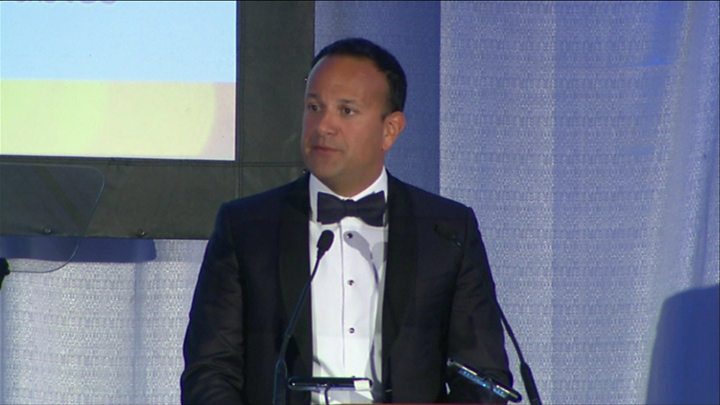
Some checks on goods and live animals may need to take place near the Irish border in a no-deal Brexit, Irish PM Leo Varadkar has said.
As far as possible, checks would take place at ports, airports and firms, the taoiseach said, and his government was "working out the details" with the EU.
There was "a significant and growing risk of no-deal", he added.
UK PM Boris Johnson has said he would "rather be dead in a ditch than delay Brexit", which is set for 31 October.
Mr Varadkar has said he would continue efforts to avoid a no-deal, but would not do so "at any cost", adding that the EU had still not received any workable alternative to the backstop from the UK.
"I do fear it, but I am prepared for it," he told business leaders in Dublin on Thursday night.
The backstop is a position of last resort, to maintain a seamless border on the island of Ireland.
It would keep the UK in a very close relationship with the EU until a trade deal permanently avoiding the need for checks is agreed.
It will not apply if the UK leaves without a deal in October.
Customs declarations
The comments went further than those of Irish Foreign Minister Simon Coveney, who on Wednesday said Ireland would try to ensure checks in a no-deal Brexit were carried out away from the border.
Mr Coveney said Ireland would have to work to protect its place within the EU single market.
But the Taoiseach said tariffs would apply to "goods imported into Ireland from the United Kingdom and vice versa".
"The tariff schedules are already known," he said.
"You will need to be registered as an importer-exporter and you will need to make customs declarations."
Confused by Brexit jargon? Reality Check unpacks the basics.
Mr Varadkar said that in the event of no-deal, the common travel area would remain in place.
"British and Irish citizens will still be able to travel freely between our two islands and live, work, study and access healthcare, welfare, housing and the labour market as though we were citizens of both," he said.
"Irish and dual British-Irish citizens in Northern Ireland and Britain will be still be able to travel, work, do business and study throughout the EU without a visa or permit."
But, he said, for British-only citizens, this would no longer be the case.
The Irish government was mandated to protect the integrity of its border, said Ian Marshall, a former president of the Ulster Farmers' Union and the first unionist elected to the Irish Senate.
"All the conversations about no infrastructure at the border... at the moment there are no solutions to many of these problems so the Taoiseach obviously has to be pragmatic," Mr Marshall told Radio Ulster's Good Morning Ulster programme.
Meanwhile, Irish broadcaster RTÉ reports the UK has proposed stripping all elements of the backstop out of the Withdrawal Agreement.
The only elements of the agreement left is a commitment to the all-island electricity market, the Common Travel Area and the rights of EU citizens, it said.
The UK has instead proposed that both sides would make a commitment to no hard border, but only after Britain had left the European Union.
No comments yet.
- IRAN, SLOVENIA HOLD 3RD ROUND OF POLITICAL TALKS The Balkans 06.09.2019
-
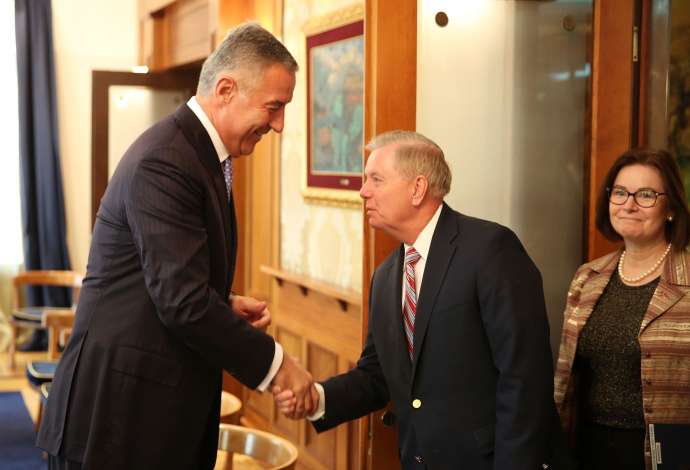 UNITED STATES CONGRESS SENATOR LINDSEY GRAHAM IN MONTENEGRO
The Balkans
06.09.2019
UNITED STATES CONGRESS SENATOR LINDSEY GRAHAM IN MONTENEGRO
The Balkans
06.09.2019
- CONFERENCE ON ENERGY TRANSITION IN ALBANIA TO BE HELD ON SEPTEMBER 12 The Balkans 06.09.2019
-
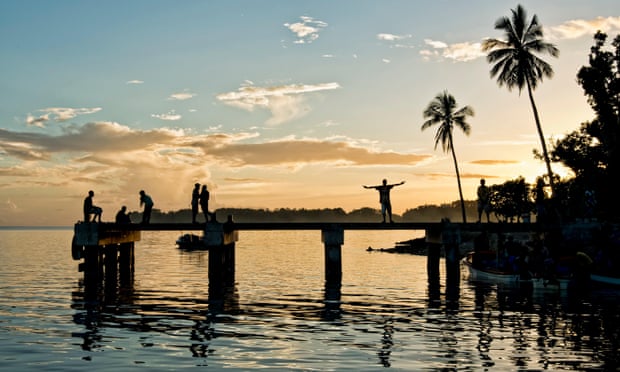 SOLOMON ISLANDS POISED TO SWITCH ALLEGIANCE FROM TAIWAN TO CHINA
Asia - Pacific
06.09.2019
SOLOMON ISLANDS POISED TO SWITCH ALLEGIANCE FROM TAIWAN TO CHINA
Asia - Pacific
06.09.2019
- INFORMAL DEADLINE FOR GOVERNMENT FORMATION IN BOSNIA AND HERZEGOVINA EXPIRES The Balkans 06.09.2019
-
25.01.2016
THE ARMENIAN QUESTION - BASIC KNOWLEDGE AND DOCUMENTATION -
12.06.2024
THE TRUTH WILL OUT -
27.03.2023
RADİKAL ERMENİ UNSURLARCA GERÇEKLEŞTİRİLEN MEZALİMLER VE VANDALİZM -
17.03.2023
PATRIOTISM PERVERTED -
23.02.2023
MEN ARE LIKE THAT -
03.02.2023
BAKÜ-TİFLİS-CEYHAN BORU HATTININ YAŞANAN TARİHİ -
16.12.2022
INTERNATIONAL SCHOLARS ON THE EVENTS OF 1915 -
07.12.2022
FAKE PHOTOS AND THE ARMENIAN PROPAGANDA -
07.12.2022
ERMENİ PROPAGANDASI VE SAHTE RESİMLER -
01.01.2022
A Letter From Japan - Strategically Mum: The Silence of the Armenians -
01.01.2022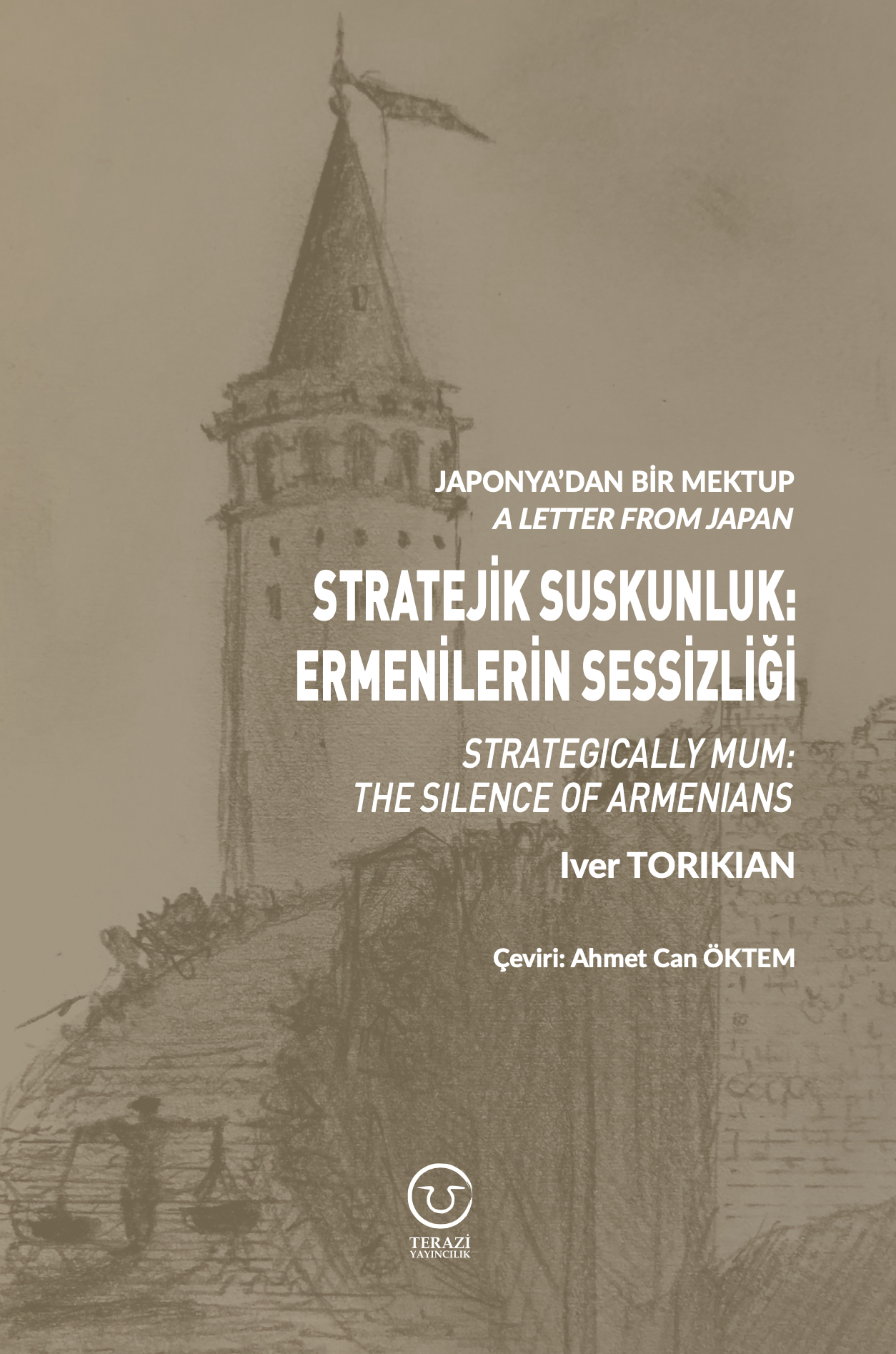
Japonya'dan Bir Mektup - Stratejik Suskunluk: Ermenilerin Sessizliği -
03.06.2020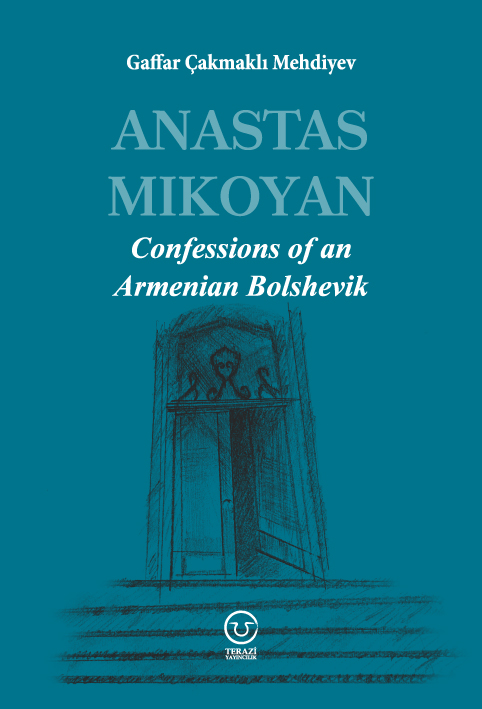
Anastas Mikoyan: Confessions of an Armenian Bolshevik -
08.04.2020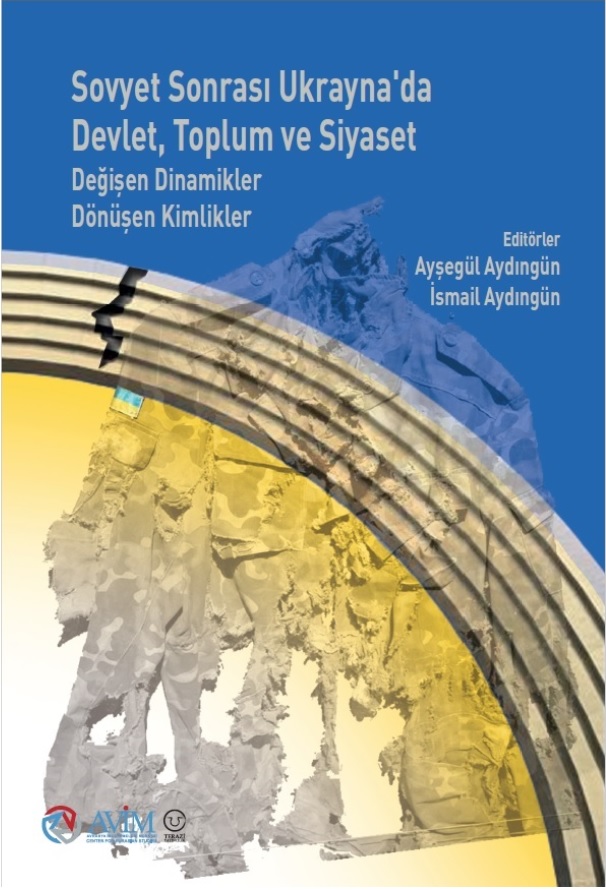
Sovyet Sonrası Ukrayna’da Devlet, Toplum ve Siyaset - Değişen Dinamikler, Dönüşen Kimlikler -
12.06.2018
Ermeni Sorunuyla İlgili İngiliz Belgeleri (1912-1923) - British Documents on Armenian Question (1912-1923) -
02.12.2016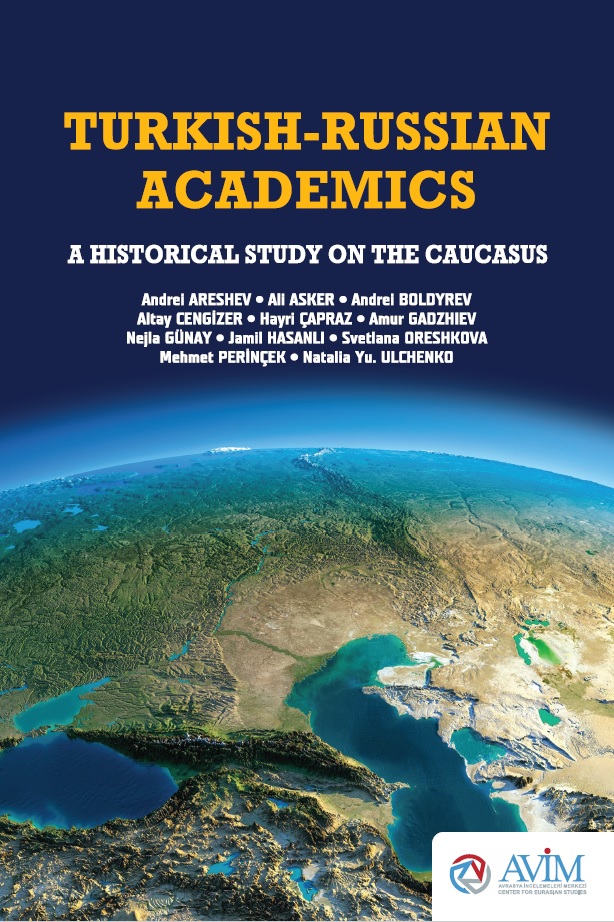
Turkish-Russian Academics: A Historical Study on the Caucasus -
01.07.2016
Gürcistan'daki Müslüman Topluluklar: Azınlık Hakları, Kimlik, Siyaset -
10.03.2016
Armenian Diaspora: Diaspora, State and the Imagination of the Republic of Armenia -
24.01.2016
ERMENİ SORUNU - TEMEL BİLGİ VE BELGELER (2. BASKI)
-
AVİM Conference Hall 24.01.2023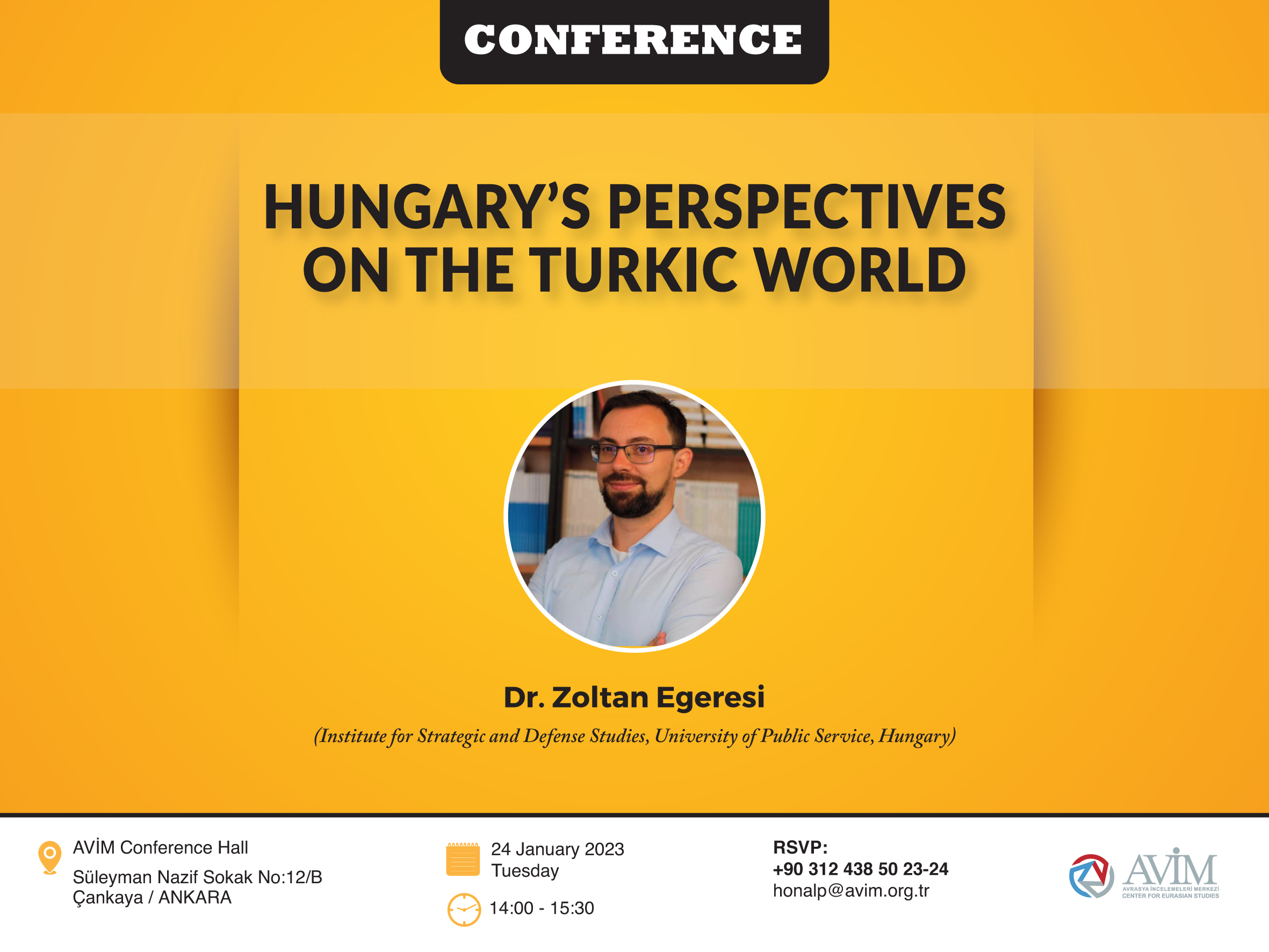
CONFERENCE TITLED “HUNGARY’S PERSPECTIVES ON THE TURKIC WORLD"