

















Wall Street Journal, 28 Nov 2016
OPEC agreed in September to trim production to reduce a global oversupply of oil but left the details of who cuts how much to Wednesday’s meeting in Vienna. Photo: Bloomberg News
Iran and Russia have emerged as potentially deal-breaking obstacles to cuts in global oil production as the Organization of the Petroleum Exporting Countries engages in a last-minute blitz of diplomacy ahead of a meeting on Wednesday.
OPEC agreed in September to trim production to reduce a global oversupply of oil but left the details of who cuts how much to Wednesday’s meeting in Vienna. The gathering comes two years after OPEC decided to step aside and let prices fall, as the market plummeted to historic lows that ushered in a period of cheap prices for consumers.
Russia, which isn’t part of OPEC, said last week it was willing to hold its production steady but stopped short of agreeing to cut its output, which is the highest of any country. Iran said on Saturday it was negotiating an exemption from cutting its output, the third-highest in the 14-nation OPEC cartel behind Saudi Arabia and Iraq.
Saudi Arabian officials are concerned by the reluctance of those two countries to join cuts, OPEC representatives have said, worrying they will trim their own production and then watch other countries swoop in and steal the kingdom’s former market share, as happened during the 1980s. While countries that have suffered disruptions such as Nigeria and Libya will likely get exemptions, Saudi officials don’t want to make sacrifices and then allow their rival Iran to keep upping output.
On Sunday, the Saudi energy minister, Khalid al-Falih, reportedly said the oil market will rebalance on its own and questioned the need for production cuts, according to Reuters.
Saudi Arabia walked away from a deal in April for OPEC members and Russia to freeze output at a certain level because Iran wouldn’t participate. Iran and Saudi Arabia have long been rivals for power in the Middle East and are on opposite sides of violent conflicts in Syria and Yemen. Saudi Arabia is majority Sunni while Iran is majority Shiite.
“If they are going to cut their production, the Saudis don’t want others to replace them,” one OPEC official said.
Oil prices were up on Monday, with Brent crude rising 2.2% to $49.31.
Algerian and Venezuelan oil ministers Noureddine Bouterfa and Eulogio del Pino, respectively, flew to Moscow on Monday to try to bring the Russians on board.
OPEC representatives holed up in the cartel’s Vienna headquarters to hash out issues behind closed doors.
Inside the meeting, Iranian and Iraqi officials said they would consider freezing their output, though it still remained to be seen whether those levels would satisfy the Saudis, said a person familiar with the matter.
Russia wants prices to rise, as it relies on oil and gas for just under half its national revenue. But the country has less room to maneuver than Saudi Arabia, with much of Russia’s oil industry under Western sanctions and oil fields located in icy Siberia where fields could easily be damaged if shut down.
Iran has less incentive to cut production now.
The country is trying to regain the share of the oil-buying market it enjoyed before Western sanctions over its nuclear program crippled its energy industry. Even at low prices, it is useful for Iran to rebuild relationships with European refineries and Asian buyers.
Iran has a more diverse economy than many of its fellow OPEC members. The Islamic Republic relies on crude-oil exports for about 25% of its budget, compared with 70% in Saudi Arabia and more than 40% in Venezuela.
Iran’s “reliance on oil is very small,” said one Iranian oil official.
Iran was part of the OPEC agreement in September in Algiers, but Iranian officials never said they would actually cut themselves and have been working behind the scenes for weeks to avoid any restrictions on their output.
Iranian officials have consistently said they want to return to their old market share before sanctions were instituted in 2012. Defining exactly Iran’s pre-sanctions market share can be tricky.
Iranian officials have said they want to be pumping about 4 million barrels a day before it would consider joining OPEC action on production—either as an agreement to hold output steady or cut it. The country told OPEC this month that it is pumping about 3.92 million barrels a day, though independent sources put its output closer to 3.7 million barrels a day.
Another measure of Iran’s market share is its production relative to what its rivals produce. For instance, in 2005 when OPEC still had production targets for each country, Iran’s target was 4.1 million barrels a day while Saudi Arabia’s was 9.1 million barrels a day. Saudi Arabia’s production is now 10.6 million barrels a day.
A former Iranian oil official, Manouchehr Takin, said Saudi Arabia and Iran were likely to put aside their differences this time because the stakes are higher. Some analysts have said oil prices could again fall below $35 a barrel if OPEC fails to make an agreement this week.
“What you’re seeing now is horse-trading,” Mr. Takin said. ”When there is a crisis, OPEC always come together and take action together.”
No comments yet.
- ISLAMIC STATE ARRESTS SHOPKEEPERS FOR HIKING PRICES IN NEARLY BESIEGED MOSUL Iraq 29.11.2016
- OVER 1,000 AFRICAN SKULLS IN BERLIN ARE A REMINDER OF EUROPE’S DARK COLONIAL HISTORY Europe - EU 29.11.2016
-
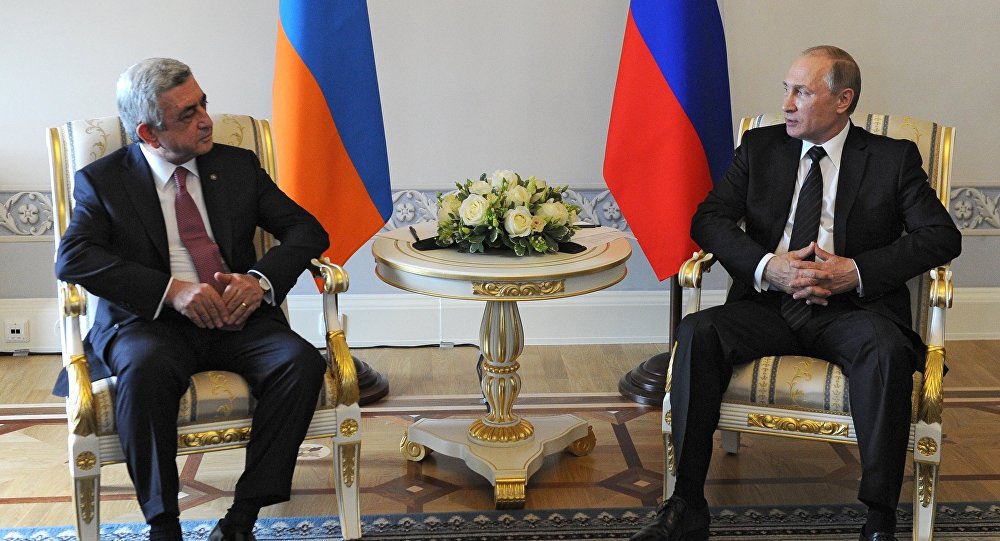 RUSSIA, ARMENIA INCH CLOSER IN COLLECTIVE DEFENSE WITH UPGRADED JOINT TASK FORCE
The Caucasus and Turkish-Armenian Relations
29.11.2016
RUSSIA, ARMENIA INCH CLOSER IN COLLECTIVE DEFENSE WITH UPGRADED JOINT TASK FORCE
The Caucasus and Turkish-Armenian Relations
29.11.2016
- CEASEFIRE BROKEN AS ARMENIA SHOOTS AT AZERBAIJANI POSITIONS The Caucasus and Turkish-Armenian Relations 29.11.2016
- TURKEY’S TOP DIPLOMAT SAYS CRISIS WITH RUSSIA HIGHLIGHTS IMPORTANCE OF MUTUAL TIES Asia - Pacific 29.11.2016
-
25.01.2016
THE ARMENIAN QUESTION - BASIC KNOWLEDGE AND DOCUMENTATION -
12.06.2024
THE TRUTH WILL OUT -
27.03.2023
RADİKAL ERMENİ UNSURLARCA GERÇEKLEŞTİRİLEN MEZALİMLER VE VANDALİZM -
17.03.2023
PATRIOTISM PERVERTED -
23.02.2023
MEN ARE LIKE THAT -
03.02.2023
BAKÜ-TİFLİS-CEYHAN BORU HATTININ YAŞANAN TARİHİ -
16.12.2022
INTERNATIONAL SCHOLARS ON THE EVENTS OF 1915 -
07.12.2022
FAKE PHOTOS AND THE ARMENIAN PROPAGANDA -
07.12.2022
ERMENİ PROPAGANDASI VE SAHTE RESİMLER -
01.01.2022
A Letter From Japan - Strategically Mum: The Silence of the Armenians -
01.01.2022
Japonya'dan Bir Mektup - Stratejik Suskunluk: Ermenilerin Sessizliği -
03.06.2020
Anastas Mikoyan: Confessions of an Armenian Bolshevik -
08.04.2020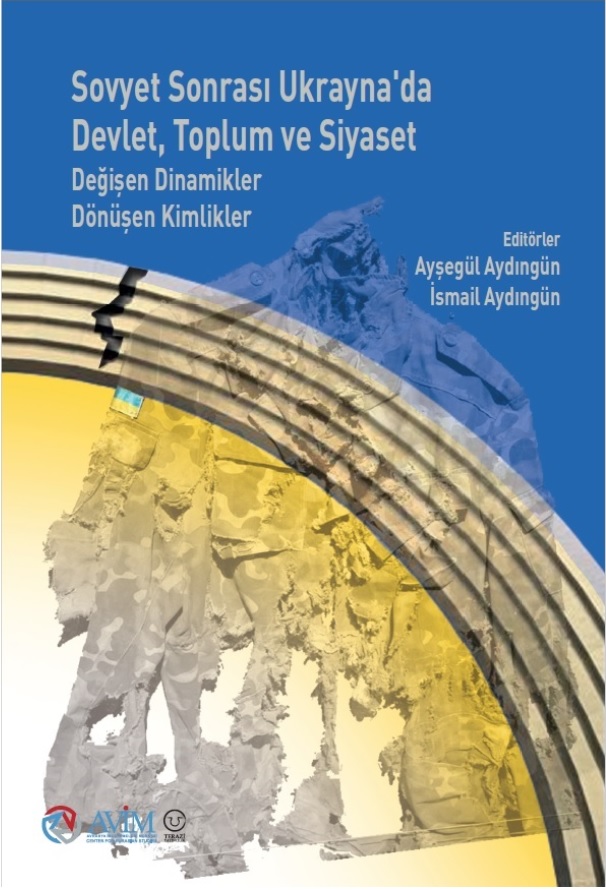
Sovyet Sonrası Ukrayna’da Devlet, Toplum ve Siyaset - Değişen Dinamikler, Dönüşen Kimlikler -
12.06.2018
Ermeni Sorunuyla İlgili İngiliz Belgeleri (1912-1923) - British Documents on Armenian Question (1912-1923) -
02.12.2016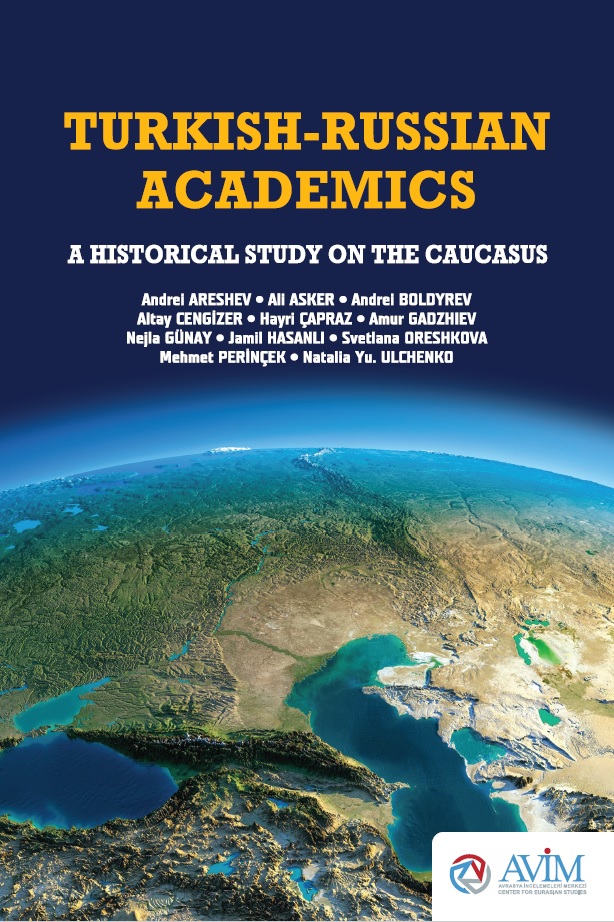
Turkish-Russian Academics: A Historical Study on the Caucasus -
01.07.2016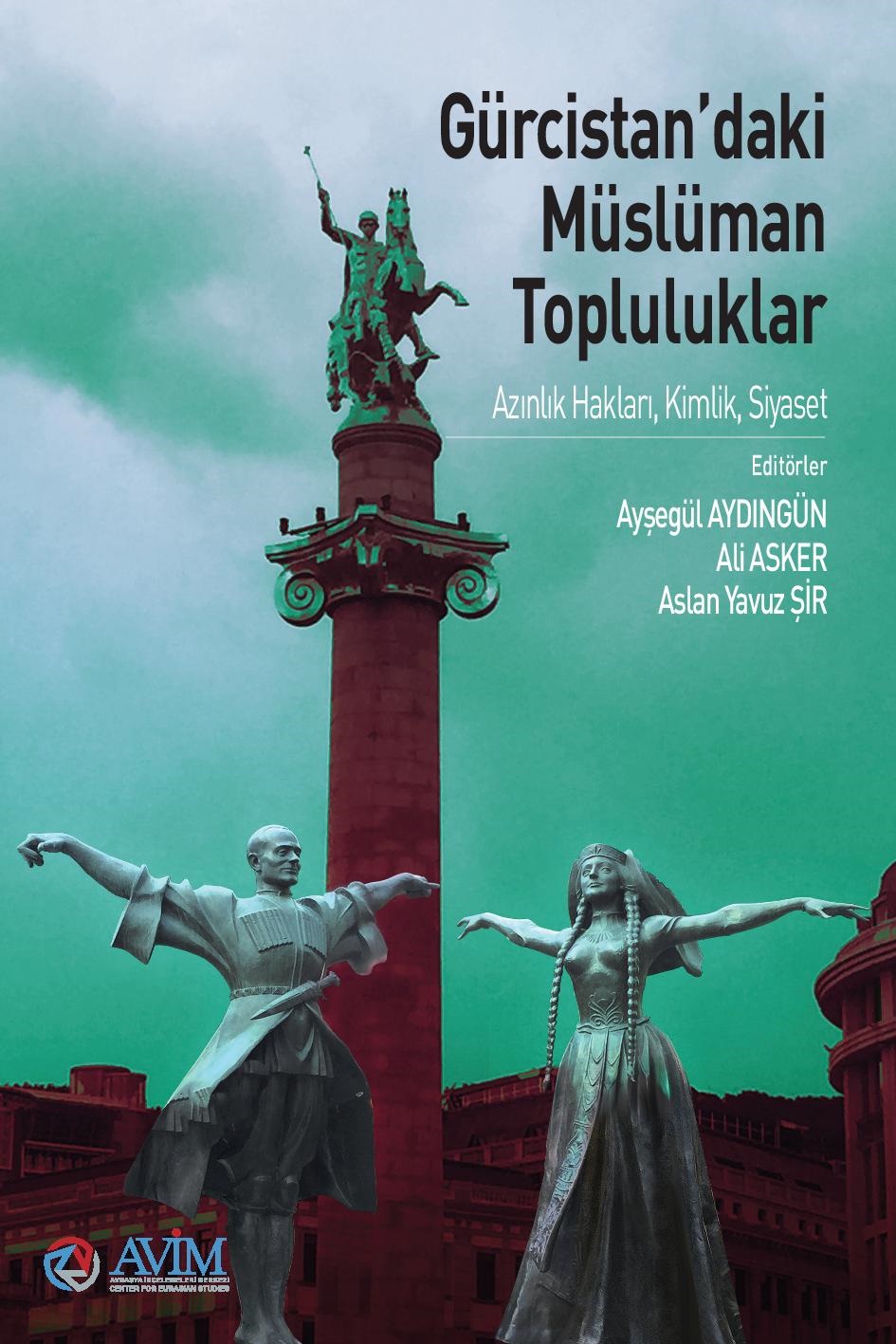
Gürcistan'daki Müslüman Topluluklar: Azınlık Hakları, Kimlik, Siyaset -
10.03.2016
Armenian Diaspora: Diaspora, State and the Imagination of the Republic of Armenia -
24.01.2016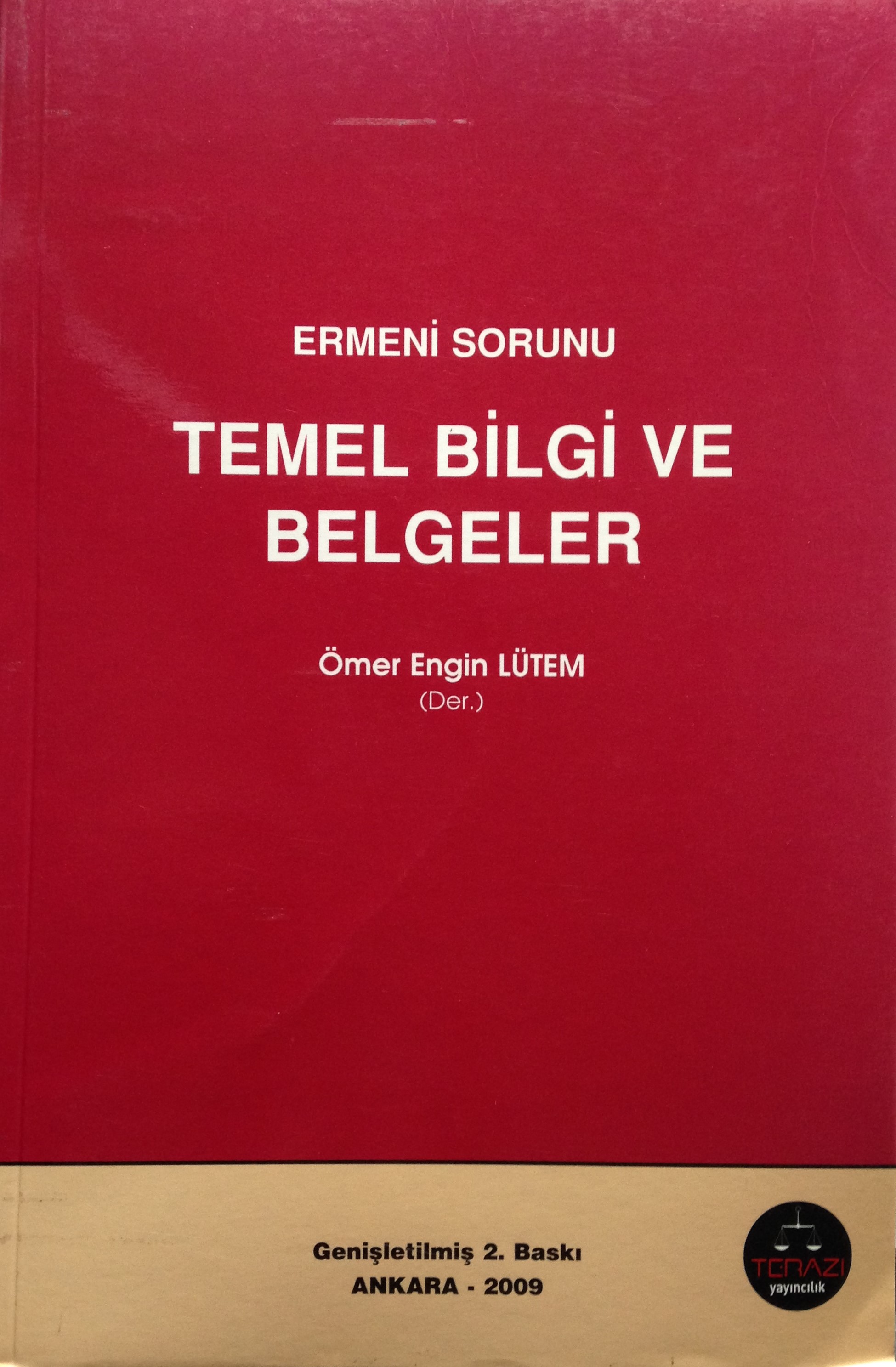
ERMENİ SORUNU - TEMEL BİLGİ VE BELGELER (2. BASKI)


-
AVİM Conference Hall 24.01.2023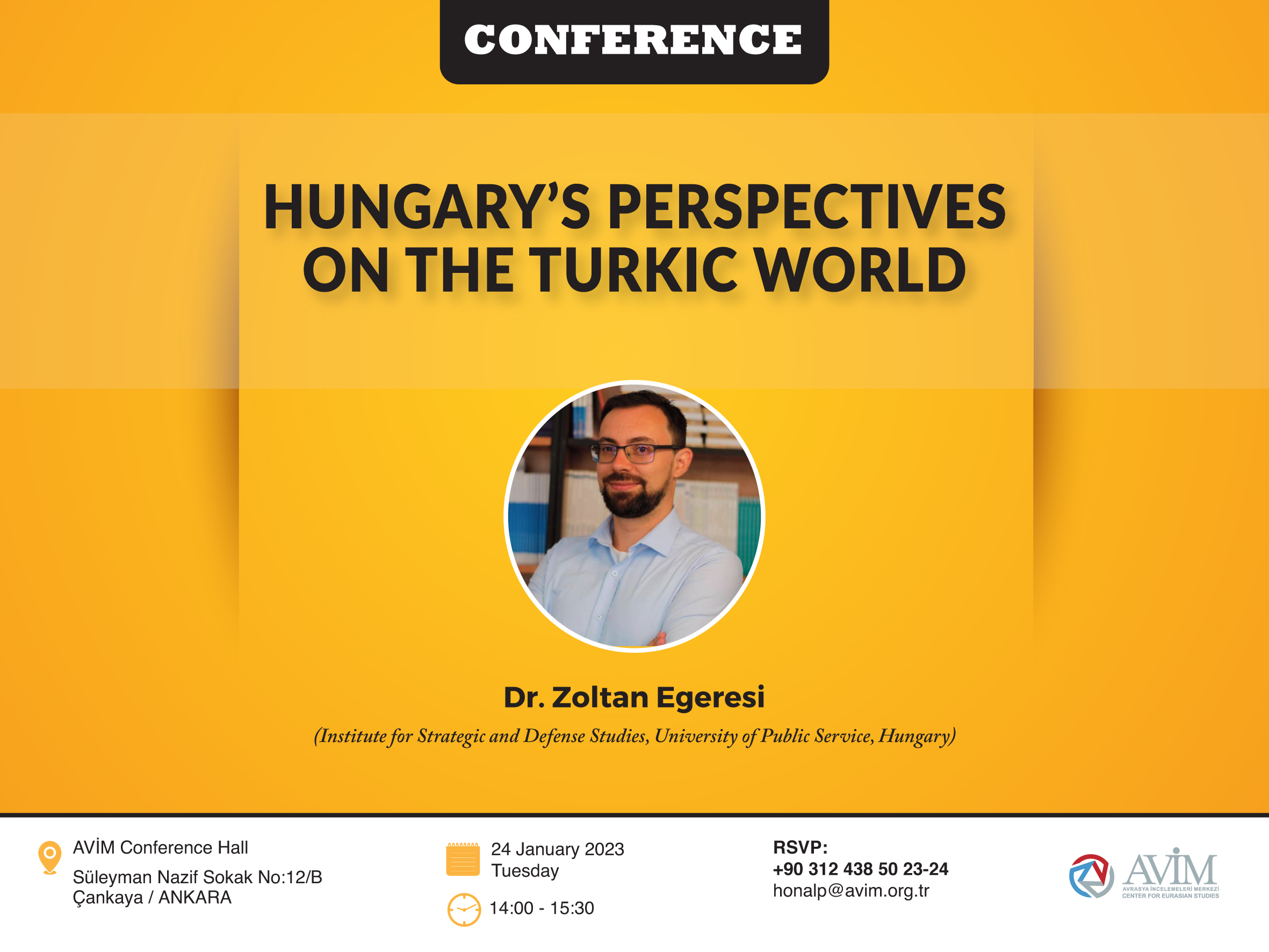
CONFERENCE TITLED “HUNGARY’S PERSPECTIVES ON THE TURKIC WORLD"