

















Deutsche Welle (30 April 2019)
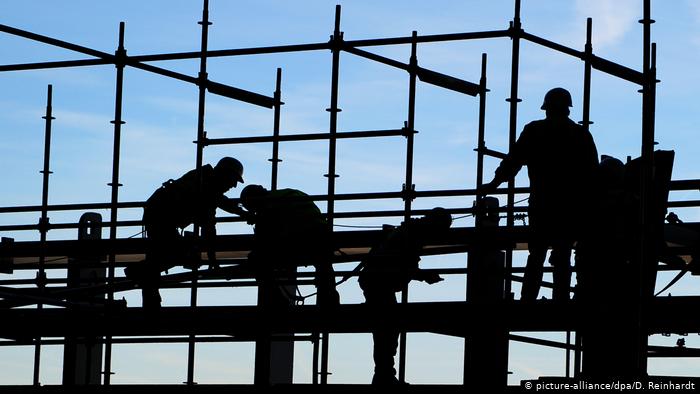
The average cost of an hour of work in Germany has risen to €35.00, well above the EU's average. Despite a significant difference between labor costs in eastern and western Europe, the gap is shrinking.
The German Federal Statistical Office (Destatis) on Monday published figures showing a working hour cost 32 percent more in Germany than the EU average in 2018.
The cost of a working hour in 17 countries across the bloc fell below the EU average of €26.60 ($29.69), including in the UK, Spain and Greece.
Germany ranks high among EU countries:
The average working hour cost €35.00 in Germany, the sixth-highest in the EU.
That figure represents a 2.3 percent increase compared to 2017.
In the manufacturing sector, an average working hour cost €40.00.
For the services sector, an average working hour cost €32.40.
Shrinking gap
Destatis noted that the gap between the EU's top performers in hourly labor costs and those at the bottom of the list was shrinking.
In 2018, labor costs in the top group were more than four times higher than the bottom. But that gap has shrunk since 2004, when the hourly cost of labor was nearly eight times higher in top-tier countries compared to those in the bottom tier.
"This convergence of relative labor costs results from the fact that in countries with low labor costs, growth rates have been well above those of countries with already high labor costs for many years," said Destatis.
Eurozone labor costs more
The eurozone average was €30.50, about 15 percent higher than the EU average. The eurozone is an economic and monetary union that brings together 17 EU member states under one currency.
Every evening, DW's editors send out a selection of the day's hard news and quality feature journalism. You can sign up to receive it directly here.
No comments yet.
-
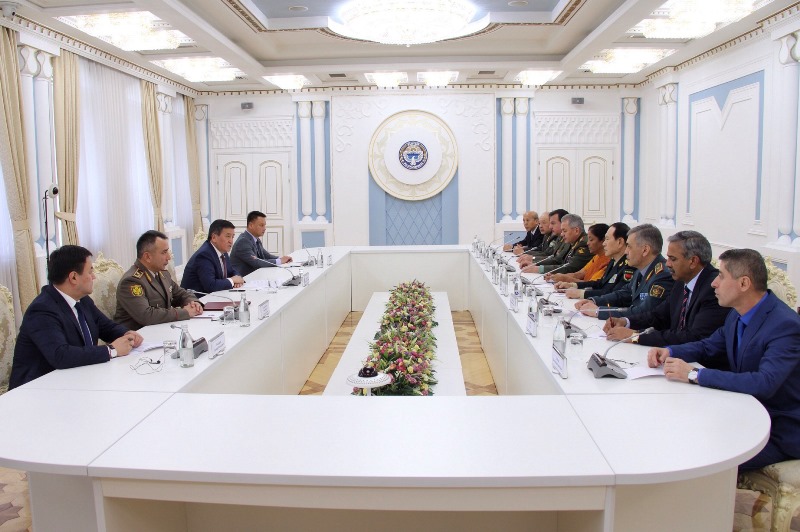 NURLAN YERMEKBAYEV PARTAKES IN SCO DEFENSE MINISTERS' MEETING
Central Asia
30.04.2019
NURLAN YERMEKBAYEV PARTAKES IN SCO DEFENSE MINISTERS' MEETING
Central Asia
30.04.2019
- BELGIUM LEAVES ARMENIAN GENOCIDE OUT OF LAW PENALIZING DENIAL The Caucasus and Turkish-Armenian Relations 30.04.2019
- IRAQ DEMANDS BAHRAINI APOLOGY FOR INSULTING CLERIC Iraq 30.04.2019
- ARMENIAN PM, IAEA DIRECTOR GENERAL DISCUSS EFFORTS TOWARD ENHANCING SECURITY LEVEL OF ANPP The Caucasus and Turkish-Armenian Relations 30.04.2019
- FINLAND RATIFIES EU-ARMENIA AGREEMENT The Caucasus and Turkish-Armenian Relations 30.04.2019
-
25.01.2016
THE ARMENIAN QUESTION - BASIC KNOWLEDGE AND DOCUMENTATION -
12.06.2024
THE TRUTH WILL OUT -
27.03.2023
RADİKAL ERMENİ UNSURLARCA GERÇEKLEŞTİRİLEN MEZALİMLER VE VANDALİZM -
17.03.2023
PATRIOTISM PERVERTED -
23.02.2023
MEN ARE LIKE THAT -
03.02.2023
BAKÜ-TİFLİS-CEYHAN BORU HATTININ YAŞANAN TARİHİ -
16.12.2022
INTERNATIONAL SCHOLARS ON THE EVENTS OF 1915 -
07.12.2022
FAKE PHOTOS AND THE ARMENIAN PROPAGANDA -
07.12.2022
ERMENİ PROPAGANDASI VE SAHTE RESİMLER -
01.01.2022
A Letter From Japan - Strategically Mum: The Silence of the Armenians -
01.01.2022
Japonya'dan Bir Mektup - Stratejik Suskunluk: Ermenilerin Sessizliği -
03.06.2020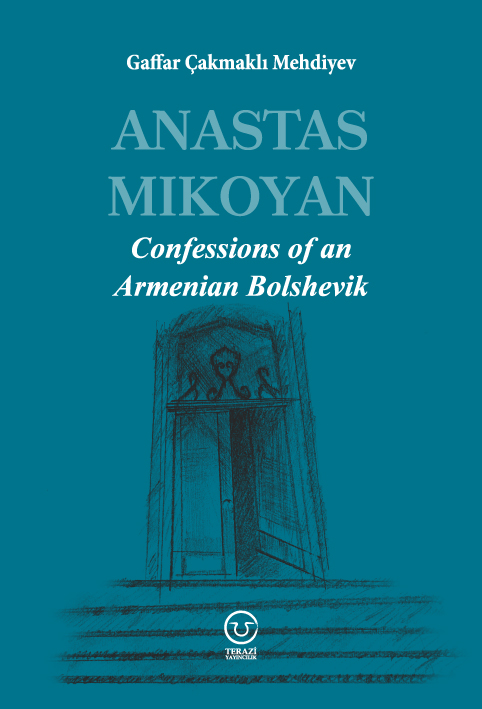
Anastas Mikoyan: Confessions of an Armenian Bolshevik -
08.04.2020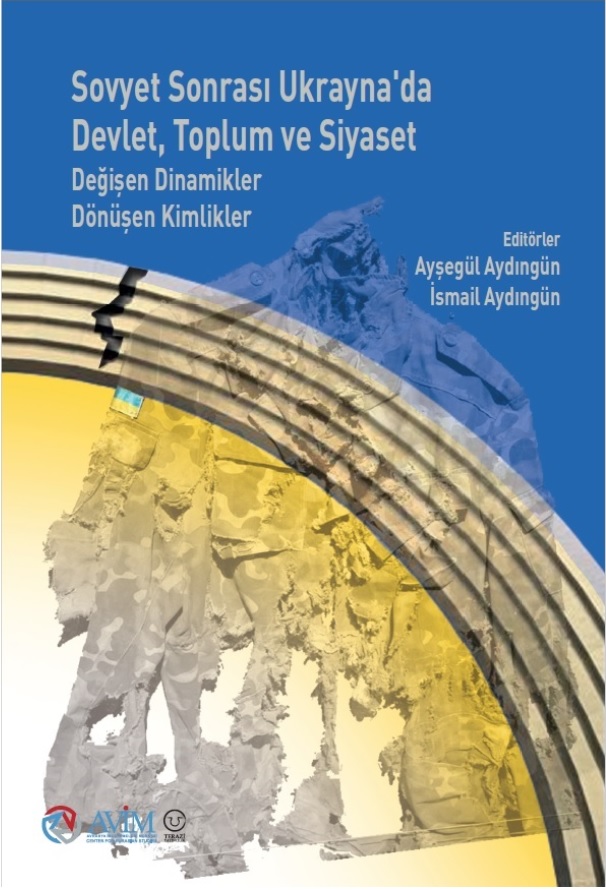
Sovyet Sonrası Ukrayna’da Devlet, Toplum ve Siyaset - Değişen Dinamikler, Dönüşen Kimlikler -
12.06.2018
Ermeni Sorunuyla İlgili İngiliz Belgeleri (1912-1923) - British Documents on Armenian Question (1912-1923) -
02.12.2016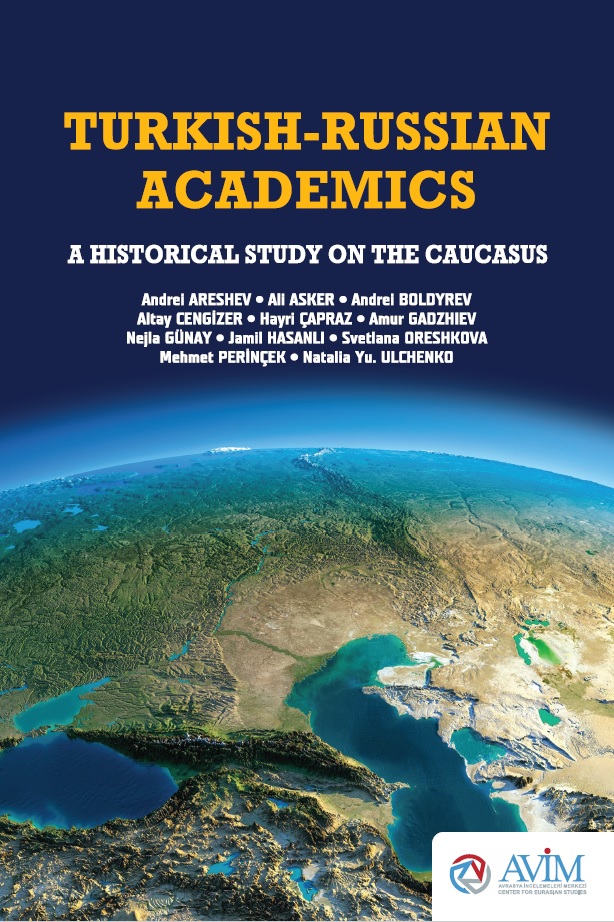
Turkish-Russian Academics: A Historical Study on the Caucasus -
01.07.2016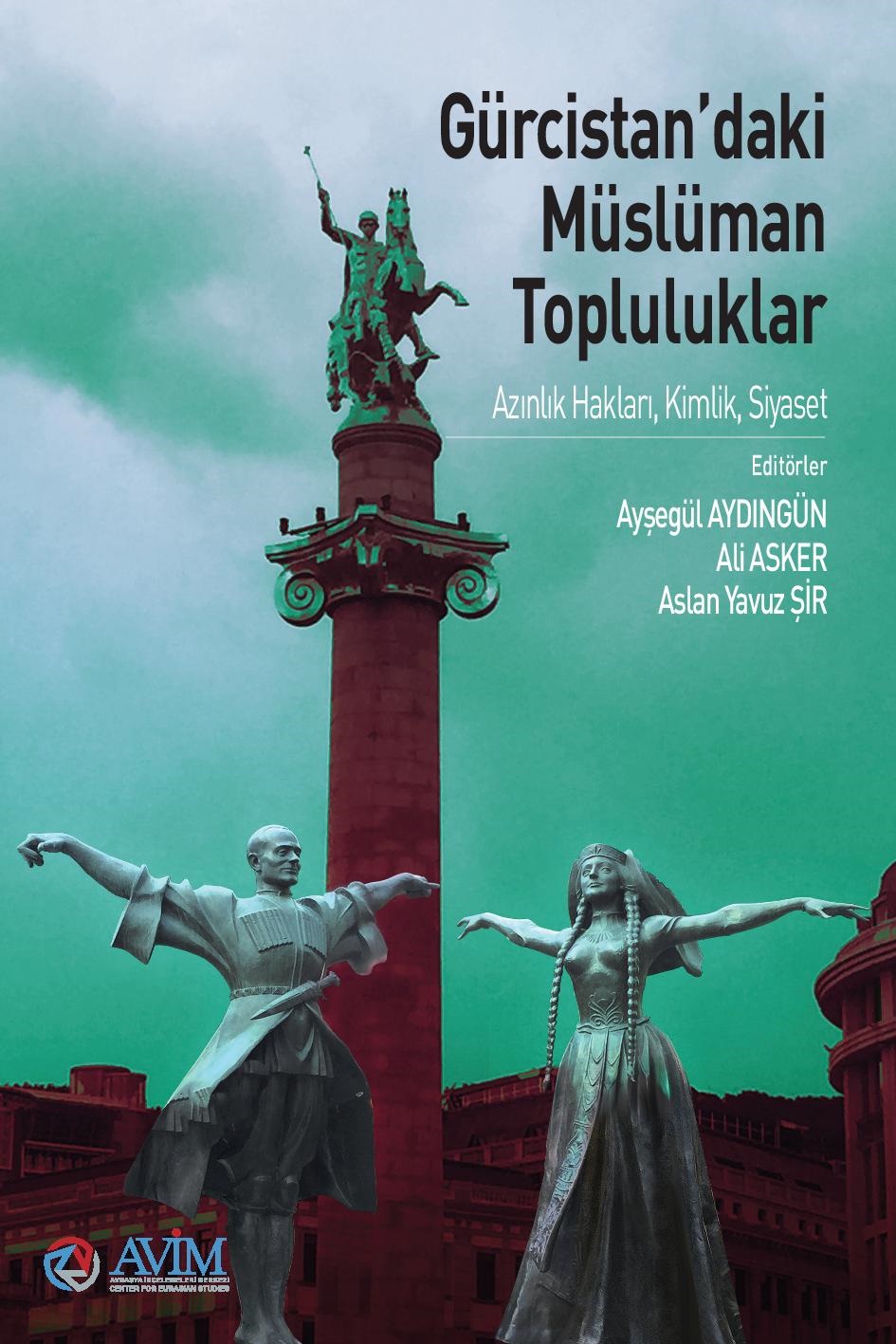
Gürcistan'daki Müslüman Topluluklar: Azınlık Hakları, Kimlik, Siyaset -
10.03.2016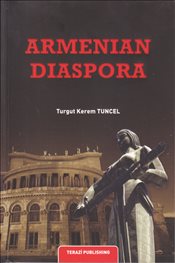
Armenian Diaspora: Diaspora, State and the Imagination of the Republic of Armenia -
24.01.2016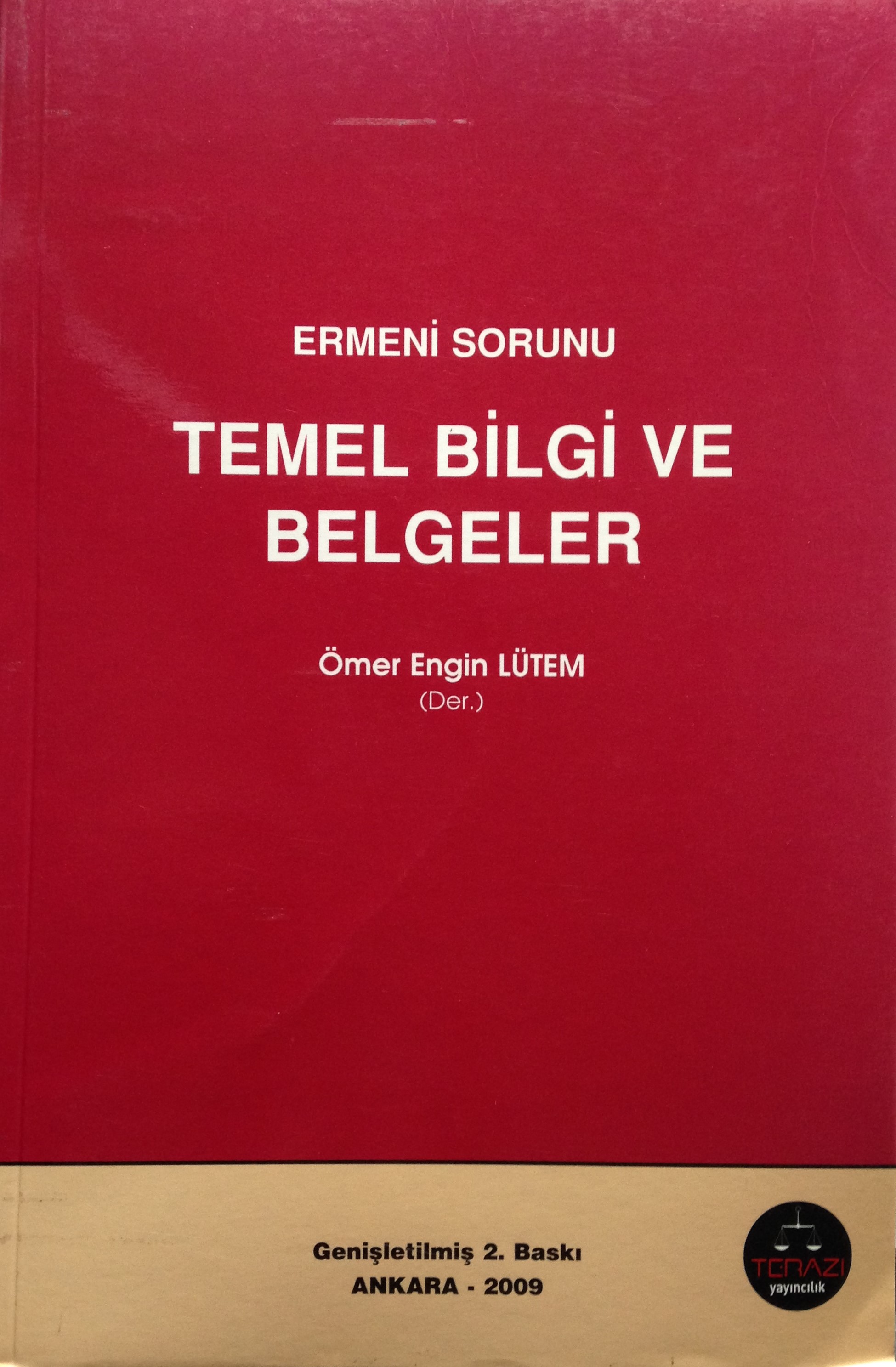
ERMENİ SORUNU - TEMEL BİLGİ VE BELGELER (2. BASKI)
-
AVİM Conference Hall 24.01.2023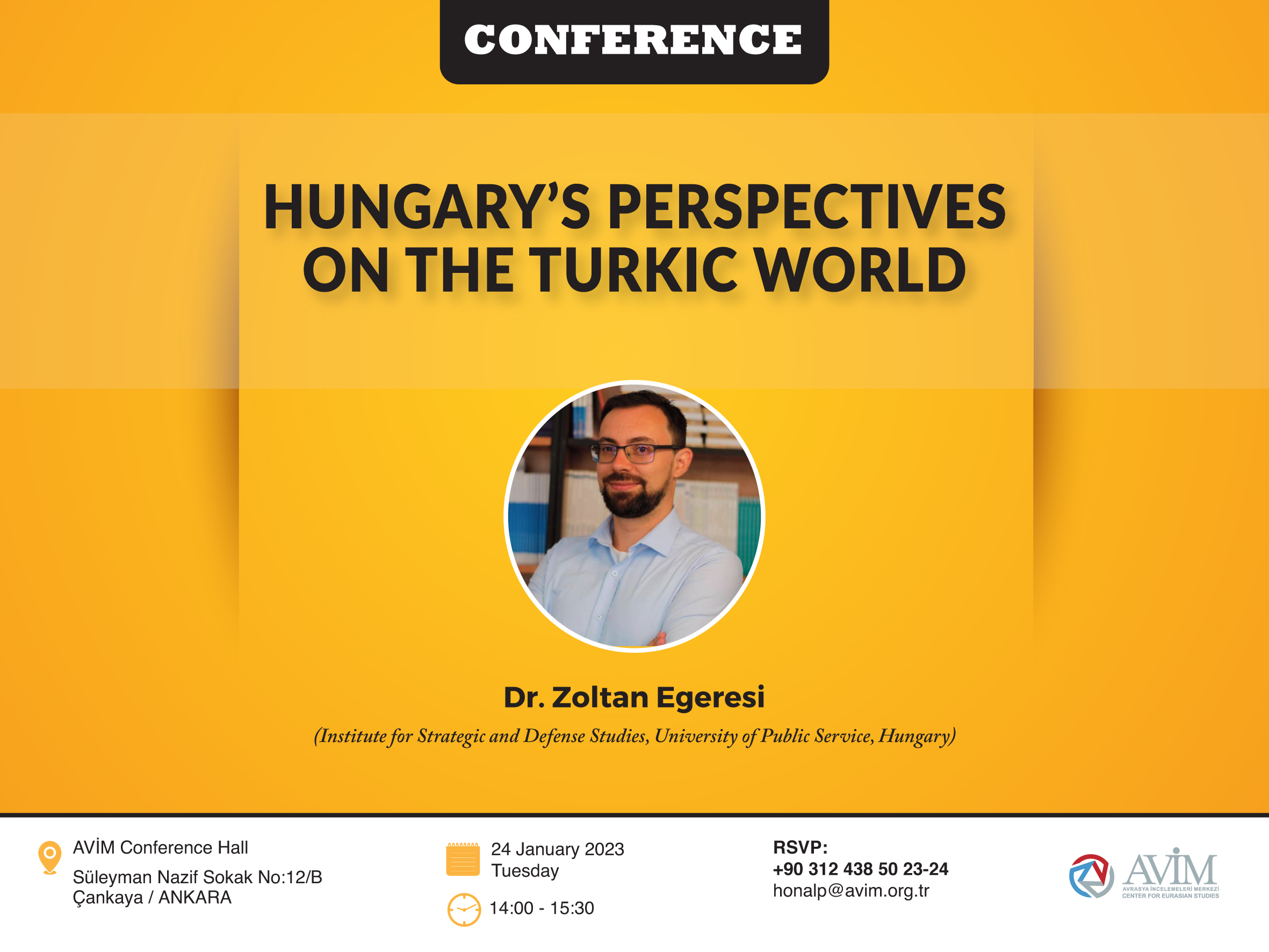
CONFERENCE TITLED “HUNGARY’S PERSPECTIVES ON THE TURKIC WORLD"