

















EU Observer (15 January 2019)
The EU commission proposed on Tuesday (15 January) to extend majority voting to all EU tax policies by the end of 2025 - a highly-sensitive issue, as member states guard their tax policies fiercely.
The EU executive argued that it would make the bloc able "to reach quicker, more effective and more democratic compromises on taxation matters," and more responsive to cross-border challenges such as organised crime and tax evasion.
The commission said that globalisation and, the growth of the digital economy have complicated taxation and revenue rights, while recent scandals, such as the Panama Papers, allowed a peek into the massive scale of international tax fraud.
"Unanimity doesn't protect the sovereignty anymore," economy commissioner Pierre Moscovici said Tuesday. He added that €50bn is not collected annually simply because of cross-border fraud.
The commission also suggested to member states extending majority voting to the controversial digital tax by 2025.
That three percent digital tax is on online revenues of large digital companies accused of paying too little tax, by funnelling their EU profits through states with low taxes, such as Luxembourg and Ireland.
The digital tax plan has been in deadlock after finance ministers failed to agree on it in December. France has since announced it would go ahead with the tax.
The commission stated that it only wants to start a political debate on the issue with member states, and was not intent on harmonising tax rates or creating new EU-level competencies.
"We want to move forward with member states, not against them," Moscovici told reporters in Strasbourg.
"We wish to convince member states that it is in their interest, and in the interest of the citizens, to gradually move to qualified majority voting," he added.
"This is not about creating new competencies, new taxes, new revenue, or harmonising tax rates, but to start a discussion on how to respond to the expectation of citizens," Moscovici argued.
Moscovici said, referring to the European elections, that according to an EU poll, 74 percent of citizens think the fight against tax evasion and tax fraud should be one of the priorities of the EU.
The commission said the unanimity requirement makes compromise very difficult, as one member state can kill the entire process, and it drives countries to agree on the lowest common denominator settlement, making tax powers toothless.
The EU executive now wants member states to agree quickly on majority decision-making, to improve cooperation in fighting tax fraud and tax evasion, and harmonise reporting obligations for businesses in the EU.
Another field where the commission sees the possibility for better coordination is where taxation supports another policy area, such as fighting climate change or improving public health.
The next leap for member states would be to agree, by the end of 2025, to modernise EU rules for VAT and excise duty, to allow majority vote on such policies as the common consolidated tax base, a single rulebook for calculating businesses' taxable profits in the EU and digital tax.
The commission plans to activate a so-called "passarelles clause" in the Lisbon Treaty to move tax issues from unanimity to majority vote. It will be up to EU leaders to active the clause with the consent of the European Parliament, with no objection from any of the national parliaments.
This way the EU could avoid the almost impossible task of renegotiating the treaty.
Rolling back national tax powers is also championed by EU commission president Jean-Claude Juncker, who served as the prime minister of Luxembourg for almost two decades, overseeing turning the small duchy into a tax haven.
He floated this idea in his state of the union speech last September.
However, EU member states are unlikely to throw themselves into discussing EU-wide tax policies ahead of the European elections in May, where populists who already accuse Brussels of a power-grab are likely to surge.
No comments yet.
- BOSNIA-HERZEGOVINA FAILS TO FORM GOV'T IN OVER 3 MONTHS The Balkans 16.01.2019
- EU WANTS END TO MEMBER STATE VETO ON TAX Europe - EU 16.01.2019
-
 TAIWAN MUST COPE FIRMLY WITH CHANGING CIRCUMSTANCES: TSAI
Asia - Pacific
16.01.2019
TAIWAN MUST COPE FIRMLY WITH CHANGING CIRCUMSTANCES: TSAI
Asia - Pacific
16.01.2019
-
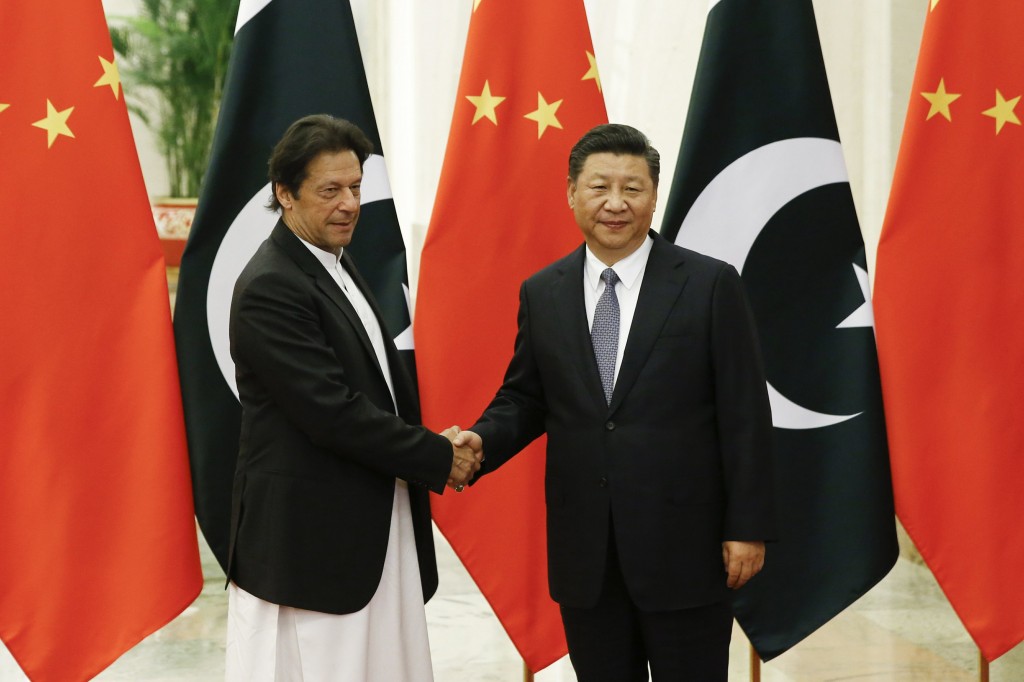 PAKISTAN SHELVES MAJOR PROJECT OF CHINA'S BELT AND ROAD INITIATIVE
Asia - Pacific
16.01.2019
PAKISTAN SHELVES MAJOR PROJECT OF CHINA'S BELT AND ROAD INITIATIVE
Asia - Pacific
16.01.2019
- OPPOSITION LAWMAKER SUGGESTS PARLIAMENTARY CONFIRMATION HEARINGS FOR AMBASSADOR-DESIGNATES, REVISION OF SARGSYAN-ERA APPOINTEES The Caucasus and Turkish-Armenian Relations 16.01.2019
-
25.01.2016
THE ARMENIAN QUESTION - BASIC KNOWLEDGE AND DOCUMENTATION -
12.06.2024
THE TRUTH WILL OUT -
27.03.2023
RADİKAL ERMENİ UNSURLARCA GERÇEKLEŞTİRİLEN MEZALİMLER VE VANDALİZM -
17.03.2023
PATRIOTISM PERVERTED -
23.02.2023
MEN ARE LIKE THAT -
03.02.2023
BAKÜ-TİFLİS-CEYHAN BORU HATTININ YAŞANAN TARİHİ -
16.12.2022
INTERNATIONAL SCHOLARS ON THE EVENTS OF 1915 -
07.12.2022
FAKE PHOTOS AND THE ARMENIAN PROPAGANDA -
07.12.2022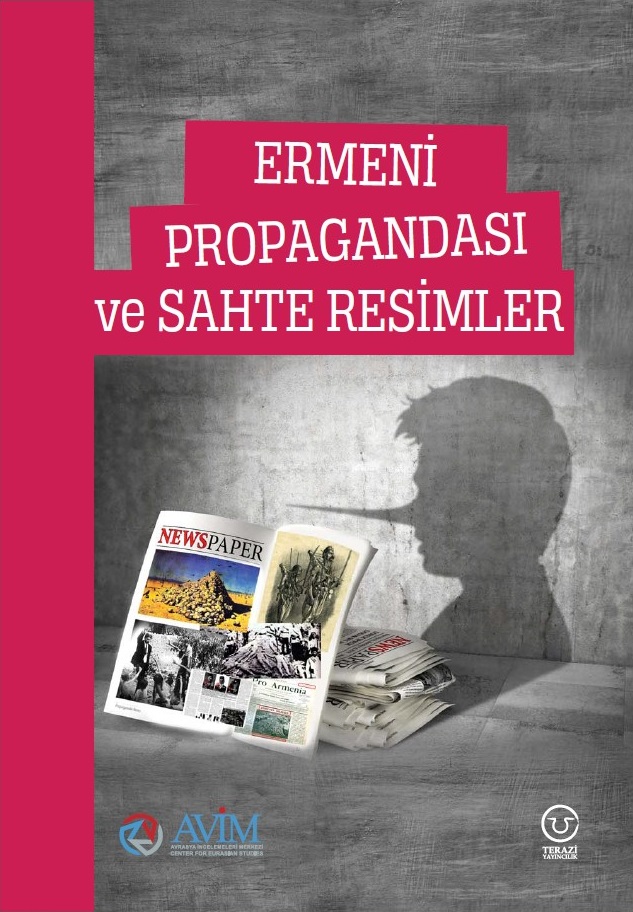
ERMENİ PROPAGANDASI VE SAHTE RESİMLER -
01.01.2022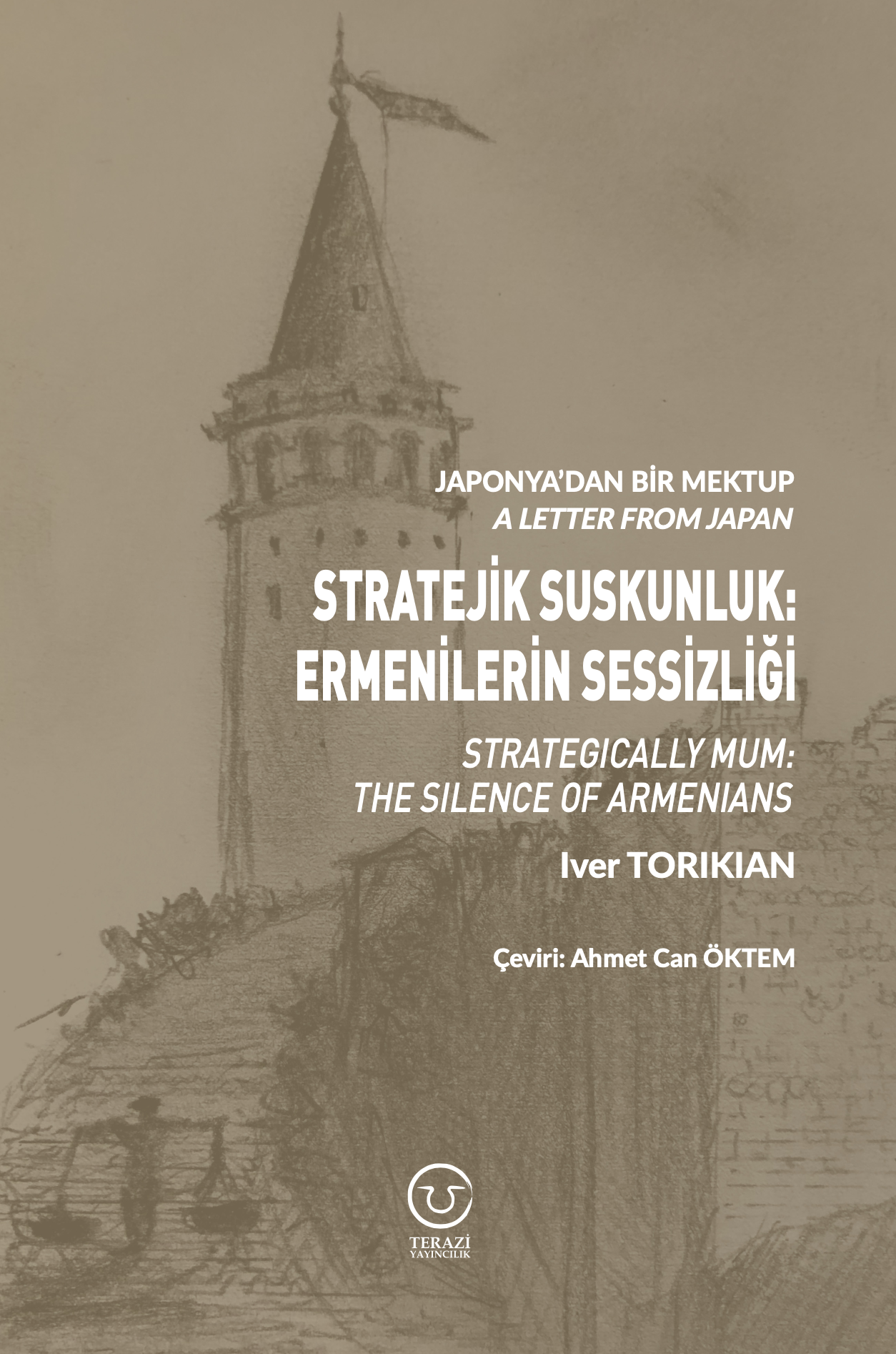
A Letter From Japan - Strategically Mum: The Silence of the Armenians -
01.01.2022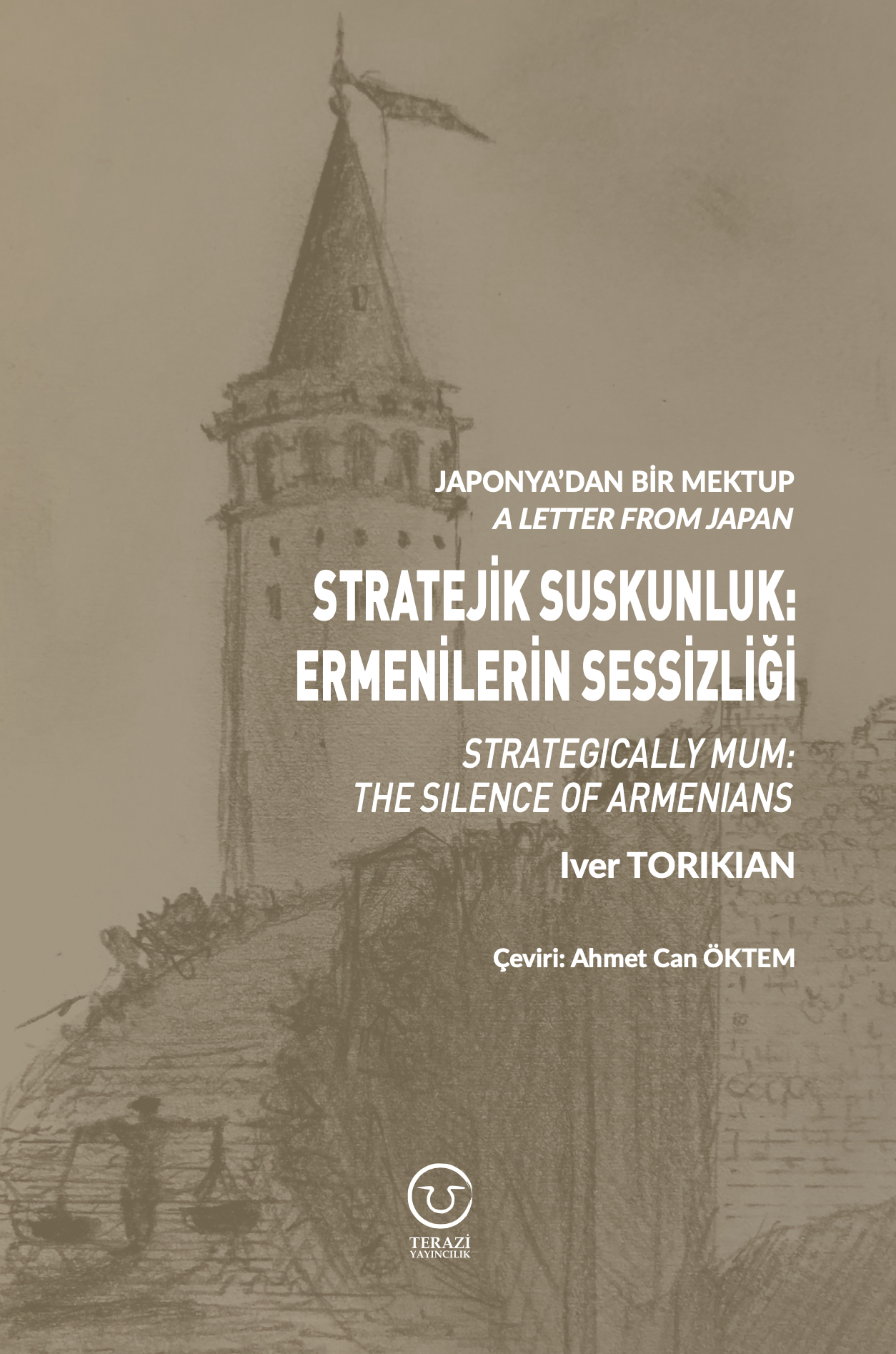
Japonya'dan Bir Mektup - Stratejik Suskunluk: Ermenilerin Sessizliği -
03.06.2020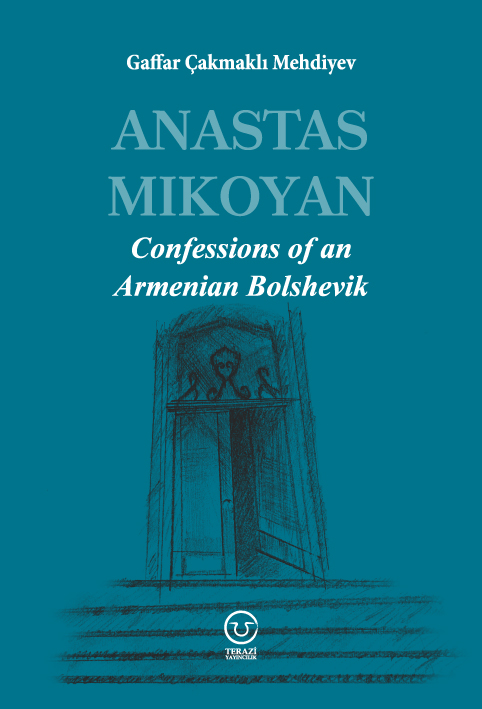
Anastas Mikoyan: Confessions of an Armenian Bolshevik -
08.04.2020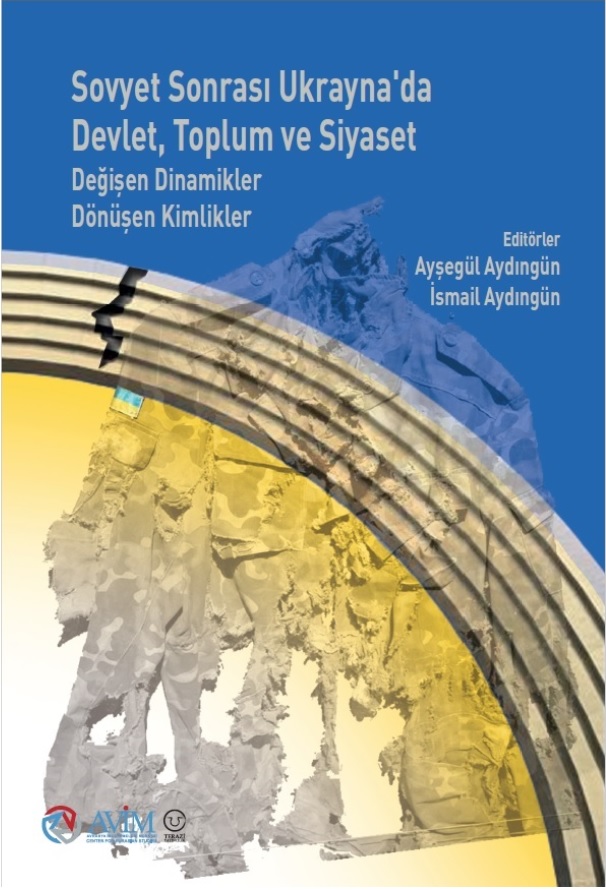
Sovyet Sonrası Ukrayna’da Devlet, Toplum ve Siyaset - Değişen Dinamikler, Dönüşen Kimlikler -
12.06.2018
Ermeni Sorunuyla İlgili İngiliz Belgeleri (1912-1923) - British Documents on Armenian Question (1912-1923) -
02.12.2016
Turkish-Russian Academics: A Historical Study on the Caucasus -
01.07.2016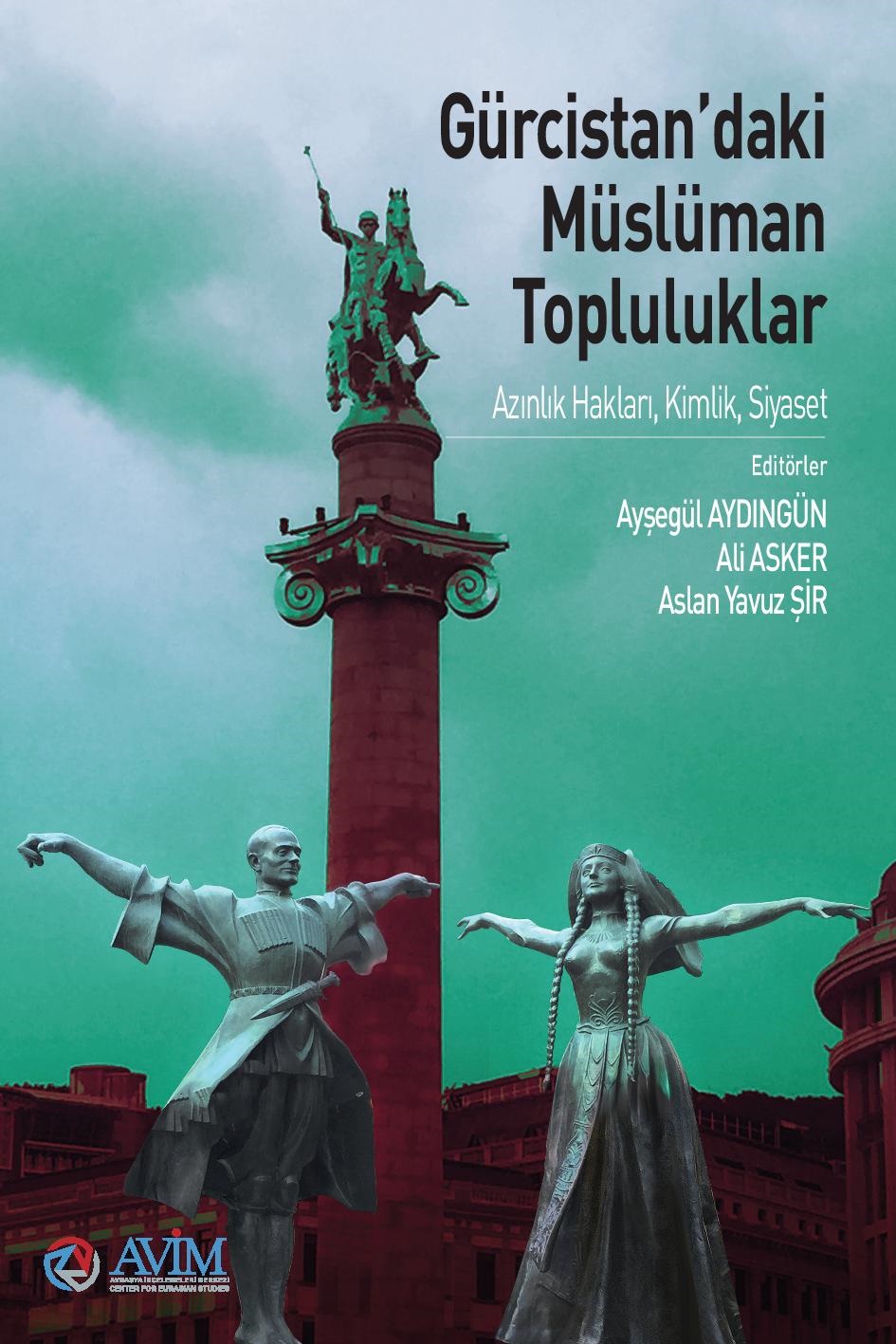
Gürcistan'daki Müslüman Topluluklar: Azınlık Hakları, Kimlik, Siyaset -
10.03.2016
Armenian Diaspora: Diaspora, State and the Imagination of the Republic of Armenia -
24.01.2016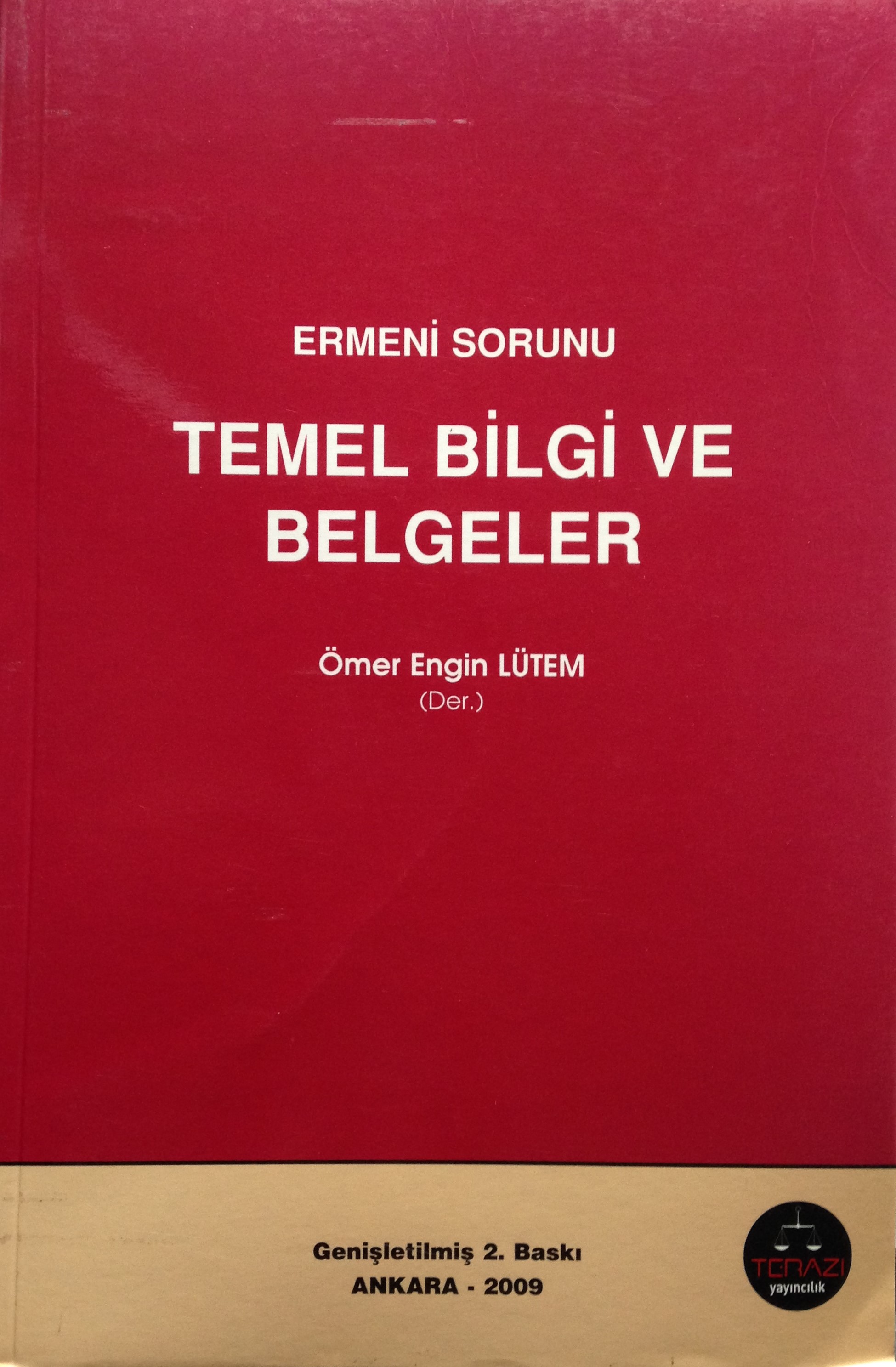
ERMENİ SORUNU - TEMEL BİLGİ VE BELGELER (2. BASKI)

-
AVİM Conference Hall 24.01.2023
CONFERENCE TITLED “HUNGARY’S PERSPECTIVES ON THE TURKIC WORLD"