















11.07.2016
EU Observer
The EU still hopes to reach one of the biggest bilateral trade deals in history before US president Barack Obama leaves the White House in January.
But they still have find common ground on a number of issues and swing public opinion, and the bloc is about to lose a major free trade defender - the UK, which could be less focused on working for a EU deal while it would have to negotiate its own trade agreements after Brexit is effective.
More than a hundred officials are involved in the 14th round of negotiations on the EU-US Transatlantic trade and investment partnership (TTIP), taking place in Brussels all week.
This time around, talks will cover all aspects of the deal, which aims to bring together the world’s two largest economic blocs by addressing all kinds of trade barriers.
If all goes well, a first draft of the text will emerge by the end of the summer, an EU source said on Friday (8 July).
But the Commission had hoped to reach end-game negotiations already with the previous round, in April. The talks initially aimed to conclude under the previous EU Commission in 2014 and also failed to respect the second deadline of December 2015.
Frustrated EU leaders have laid the blame on the American side, which they accuse of not really running with the ball.
EU trade chief Cecilia Malmstroem has claimed, however, that the main stumbling block at this stage is ”populism”.
Almost 3.5 million people have signed a petition to stop TTIP and CETA, a similar EU trade deal with Canada. Almost 1,900 cities, municipalities, and regions across Europe have declared themselves TTIP-free zones
Last week, anti-TTIP activists sprayed graffiti on the European Commission buildings, walls and pavements in the European quarters, and the office of Businesseurope, the European business federation. They promised to disrupt negotiations by ”massive” civil disobedience, including a casserole concert.
Fault has been found with Jose Manuel Barroso, the previous leader of the European Commission, who launched TTIP negotiations a year before his term ended and also set out to sign them off.
The Portuguese considered that the best way to achieve a quick deal would be by keeping almost everyone in the dark. The strategy unravelled though, unleashing fears that the deal would undermine EU standards in the field of consumer protection, environmental legislation and workers' rights.
The next commission led by Jean-Claude Juncker has enhanced transparency by setting up a citizens' forum where chief negotiators report back to stakeholders during every round. The Commission also established a new unit that publishes negotiation texts and answers public concerns.
”The Juncker commission has tried to narrow the gap between political elites and citizens,” said Eugenia da Conceicao-Heldt, a professor of European and Global Governance at the Bavarian School of Public Policy. ”But people are not really reading the texts, which are very complex and technical.”
She added the deal wouldn't be acceptable to either side unless it brought overall benefits - but didn’t rule out there would be losers of increased competition, notably in agriculture, an area where almost no progress has been achieved.
Trade has turned political
”It’s the first time in EU history that a trade deal has turned political,” da Conceicao-Heldt said. ”It’s very good to have a combination of business representatives and civil society representatives to talk about what’s on the negotiation table.”
But constructive talks are difficult in the context of wide-spread distrust, and the deal are mainly carried by EU institutions, already under pressure. Some member states, such as France, with a presidential election coming up, have been publicly distancing themselves from the deal while voting to endorse the Commission’s mandate, which was last renewed in June. Britain’s vote to leave the EU sidelines one of the staunchest champions of free trade.
”The EU doesn’t need another crisis,” Conceicao-Heldt said. If member states used the EU executive as a scapegoat, rather than helped it to explain the benefits of trade, trade negotiations were likely to get stuck.
https://euobserver.com/economic/134285
No comments yet.
- KARABAKH CONFLICT’S SETTLEMENT BECOMES PARAMOUNT The Caucasus and Turkish-Armenian Relations 11.07.2016
- NATO ALLIES PLEDGE FUNDING OF LOCAL FORCES IN AFGHANISTAN FOR 3 MORE YEARS Asia - Pacific 11.07.2016
- NATO TO TREAD FINE LINE ON RUSSIA FOLLOWING SUMMIT Asia - Pacific 11.07.2016
- NATO TO FLY AWACS ABOVE TURKEY FOR SYRIA, IRAQ Iraq 11.07.2016
- RUSSIA SUPPLIES IRAQ WITH MORE HELICOPTER GUNSHIPS Iraq 11.07.2016
-
25.01.2016
THE ARMENIAN QUESTION - BASIC KNOWLEDGE AND DOCUMENTATION -
12.06.2024
THE TRUTH WILL OUT -
27.03.2023
RADİKAL ERMENİ UNSURLARCA GERÇEKLEŞTİRİLEN MEZALİMLER VE VANDALİZM -
17.03.2023
PATRIOTISM PERVERTED -
23.02.2023
MEN ARE LIKE THAT -
03.02.2023
BAKÜ-TİFLİS-CEYHAN BORU HATTININ YAŞANAN TARİHİ -
16.12.2022
INTERNATIONAL SCHOLARS ON THE EVENTS OF 1915 -
07.12.2022
FAKE PHOTOS AND THE ARMENIAN PROPAGANDA -
07.12.2022
ERMENİ PROPAGANDASI VE SAHTE RESİMLER -
01.01.2022
A Letter From Japan - Strategically Mum: The Silence of the Armenians -
01.01.2022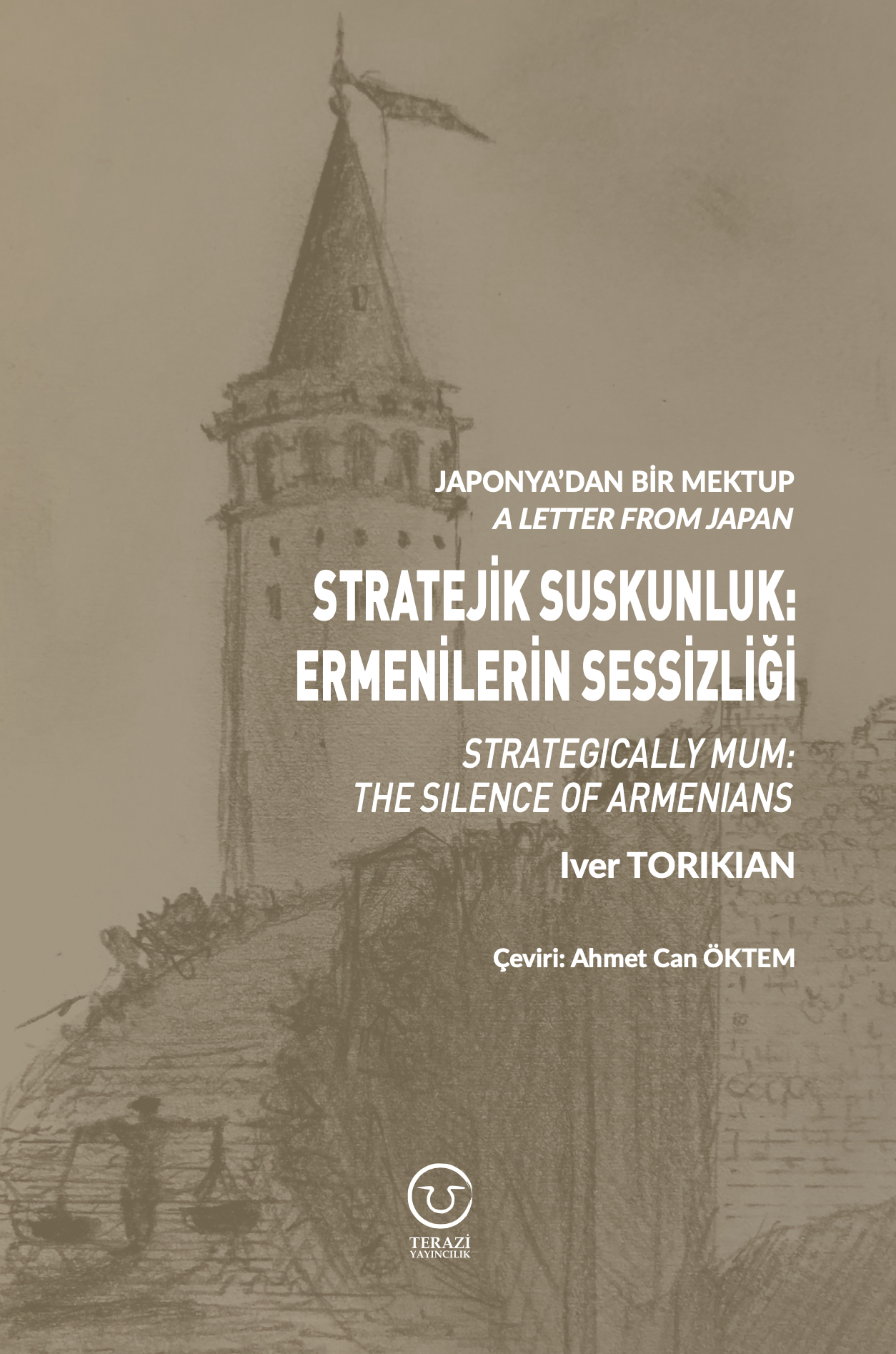
Japonya'dan Bir Mektup - Stratejik Suskunluk: Ermenilerin Sessizliği -
03.06.2020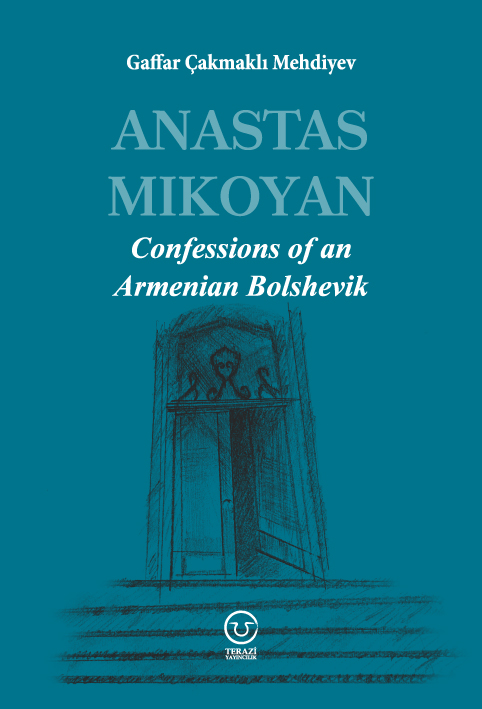
Anastas Mikoyan: Confessions of an Armenian Bolshevik -
08.04.2020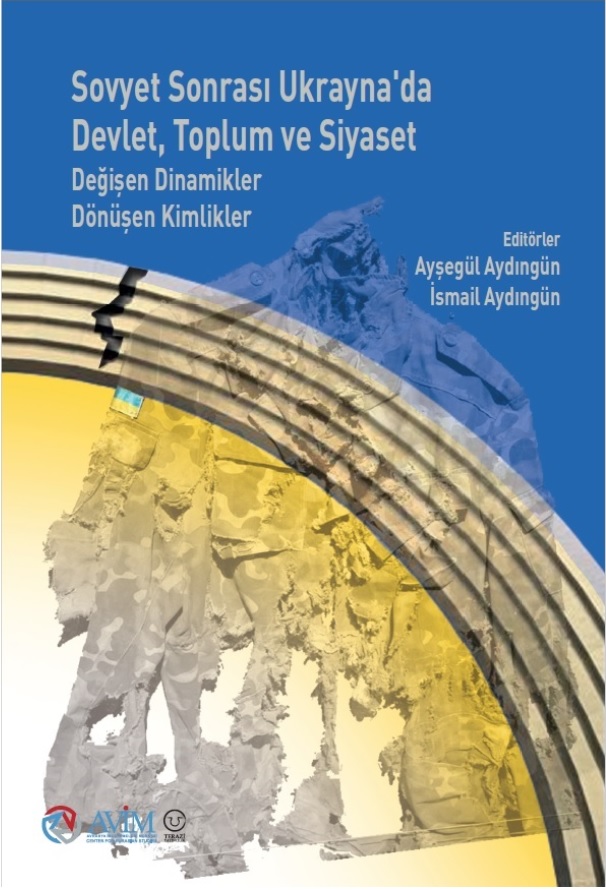
Sovyet Sonrası Ukrayna’da Devlet, Toplum ve Siyaset - Değişen Dinamikler, Dönüşen Kimlikler -
12.06.2018
Ermeni Sorunuyla İlgili İngiliz Belgeleri (1912-1923) - British Documents on Armenian Question (1912-1923) -
02.12.2016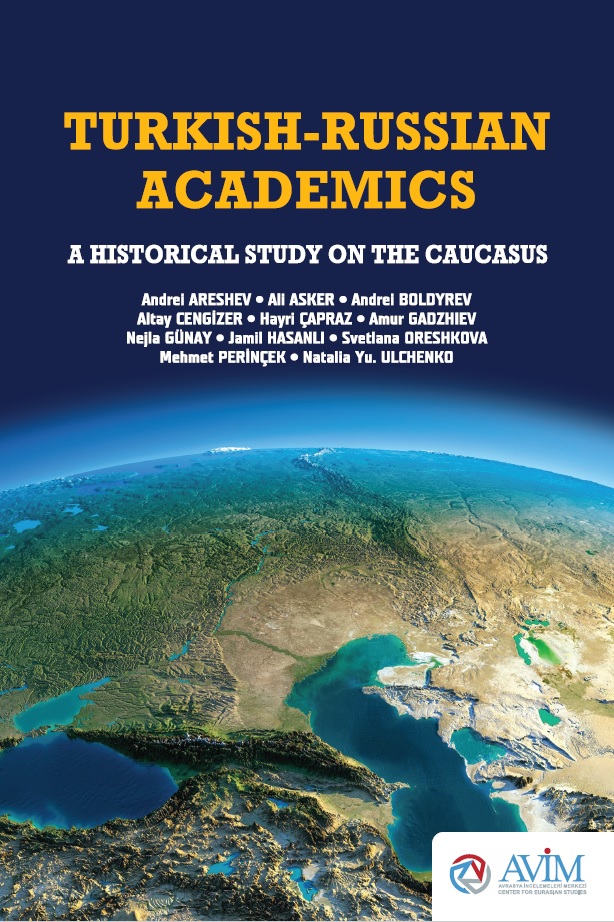
Turkish-Russian Academics: A Historical Study on the Caucasus -
01.07.2016
Gürcistan'daki Müslüman Topluluklar: Azınlık Hakları, Kimlik, Siyaset -
10.03.2016
Armenian Diaspora: Diaspora, State and the Imagination of the Republic of Armenia -
24.01.2016
ERMENİ SORUNU - TEMEL BİLGİ VE BELGELER (2. BASKI)
-
AVİM Conference Hall 24.01.2023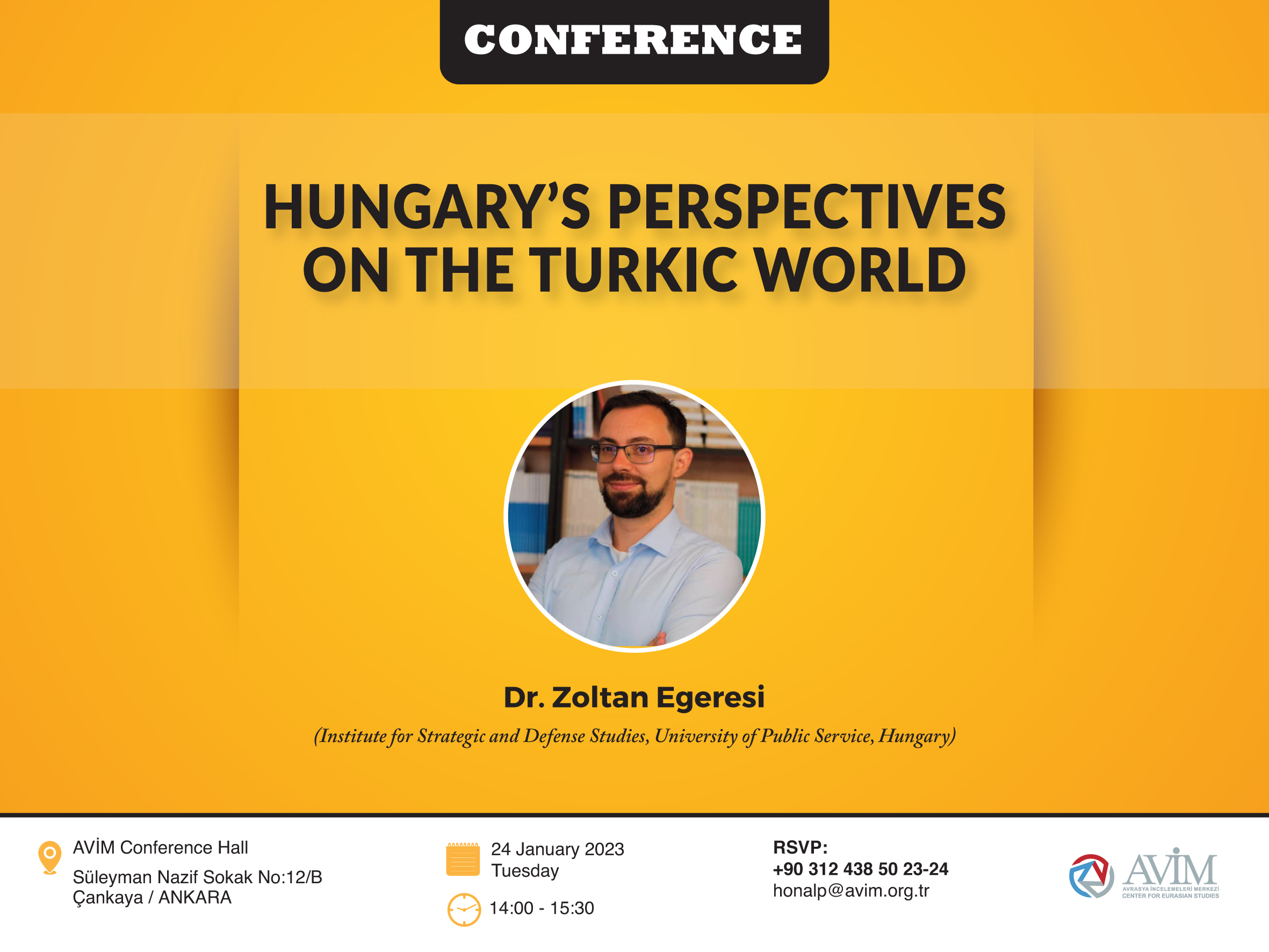
CONFERENCE TITLED “HUNGARY’S PERSPECTIVES ON THE TURKIC WORLD"