

















Deutsche Welle (22 October 2018)
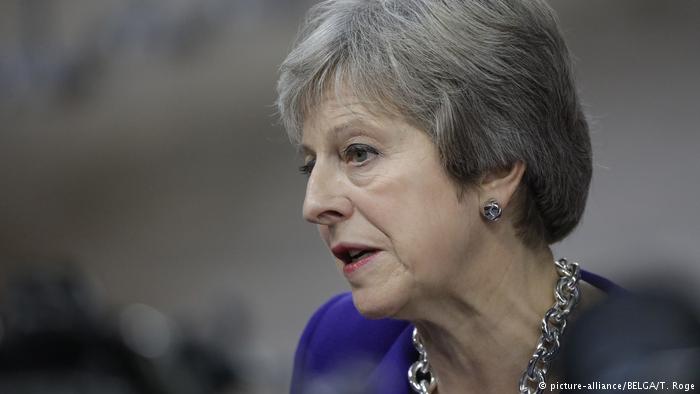
British Prime Minister Theresa May has told parliamentarians that 95 percent of a Brexit deal has been agreed with the EU. The bad news? The Irish border belongs in the unsolved 5 percent.
British Prime Minister Theresa May on Monday used a speech to Parliament to try and reassure lawmakers that an agreement on Britain's withdrawal from the European Union was almost complete, amid growing rebellion against her plans for Britain's future relationship with the bloc.
She told Parliament that in the past three weeks agreement had been reached on everything from the status of the British Overseas Territory of Gibraltar on the European mainland to security cooperation with the EU.
"The shape of the deal across the vast majority of the withdrawal agreement is now clear," she said.
"Taking all of this together, 95 percent of the withdrawal agreement and its protocols are now settled," she added.
Devilish detail
However, May said there was "one real sticking point left:" that of avoiding a return to a "hard" Irish border.
The issue of the border between Northern Ireland, a part of the United Kingdom, and Ireland, an EU member, remains a major stumbling block in negotiations over Britain's withdrawal from the bloc.
Both sides are anxious to keep the border open, as this was a key part of a 1998 peace deal that ended decades of sectarian bloodshed on the island of Ireland.
As May said in her speech, she rejects the EU proposal for Northern Ireland to remain in a customs union with the bloc, as that could make trade with the rest of Britain more difficult, something that is opposed by the Pro-Brexit Northern Irish party DUP that has propped up her minority Conservative government. The prime minister told the Commons that her government wouldn't accept such a status "indefinitely."
But May also stressed that this "backstop" issue was only supposed to be a contingency plan for both Brussels and Britain, and that both sides hoped it wouldn't be needed.
Risk of no deal?
However, her own proposal to keep all of Britain in the customs union beyond the current proposed end date of December 2020 has angered Conservative euroskeptics, who fear that such a deal will make Britain a "vassal state" of the EU indefinitely. Although May called any extension "undesirable," she said there were some circumstances in which it could be desirable.
The issue of the Irish border could theoretically lead to a "no-deal" Brexit, which could create chaos at the borders and in both the EU and British economies after Britain leaves the bloc at the end of March.
May said Britain needed to explore every opportunity to break the impasse. She said she believed a solution could be found, but "serving our national interest will demand that we hold our nerve through these last stages of the negotiations, the hardest part of all."
Aggressive verbal attacks
May has been recently been facing a surge in criticism from EU supporters as well as from euroskeptics within her own party about her role in Brexit negotiations.
On Sunday, several newspapers carried comments by unnamed rivals attacking the prime minister with often vicious rhetoric, including phrases such as "assassination is in the air" and the remark that May was entering "the killing zone."
In one article in the Sunday Times, a Conservative former minister was quoted as saying, "The moment is coming when the knife gets heated, stuck in her front and twisted. She'll be dead soon."
A spokesman for May said on Monday he did not want "to dignify those specific anonymous comments with a response."
"What I would say is that the prime minister has always been very clear that we must set a tone in public discourses which is neither dehumanizing nor derogatory; personal vitriol has no place in our politics."
A number of politicians, both Conservative and Labour, expressed concern at the tone of the criticisms, calling it "unacceptable."
Some 700,000 people marched through the streets of the British capital, London, on Saturday to call for a second referendum on EU membership. Precisely what question such a vote might ask of the public is not clear.
tj/msh (Reuters, AP)
No comments yet.
- DIJSSELBLOEM: GREEK GOVERNMENT WILL GRADUALLY ACCESS MARKETS MORE AND MORE Europe - EU 23.10.2018
-
 IRAQ'S OUTGOING VICE PRESIDENT SAYS GOVERNMENT FORMATION DICTATED BY LEADING SHIITE BLOCS
Iraq
23.10.2018
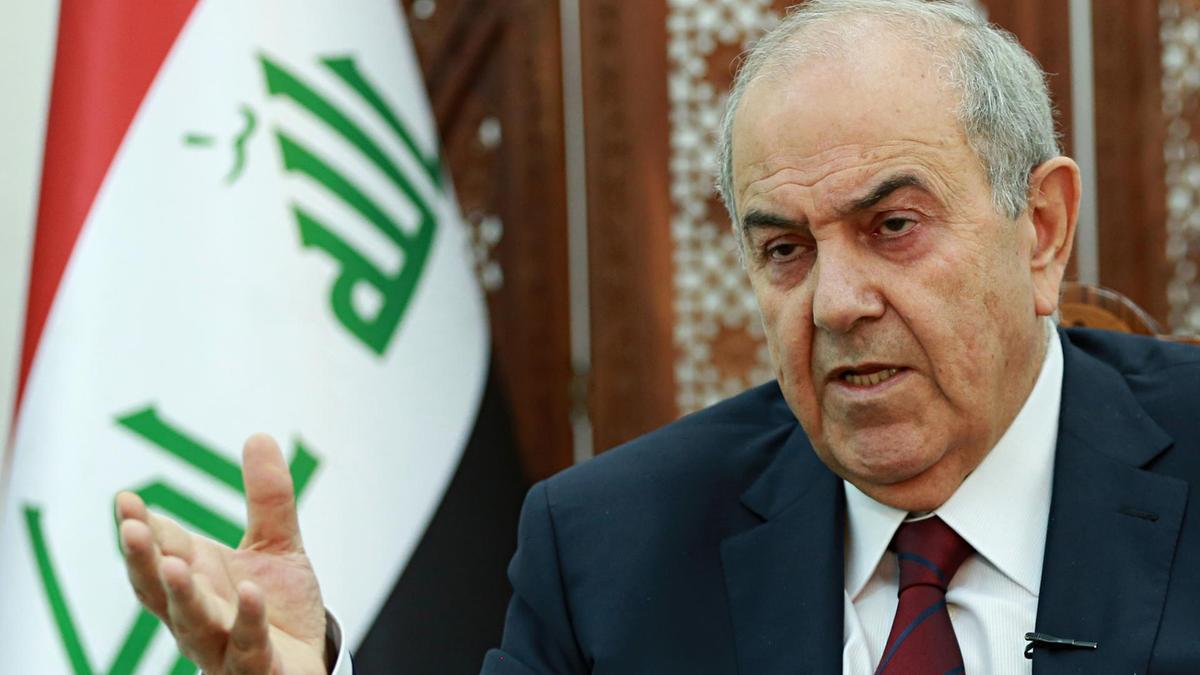
IRAQ'S OUTGOING VICE PRESIDENT SAYS GOVERNMENT FORMATION DICTATED BY LEADING SHIITE BLOCS
Iraq
23.10.2018
-
 ARMENIA’S PARLIAMENT FAILED TO ADOPT CHANGES TO ELECTORAL CODE
The Caucasus and Turkish-Armenian Relations
23.10.2018
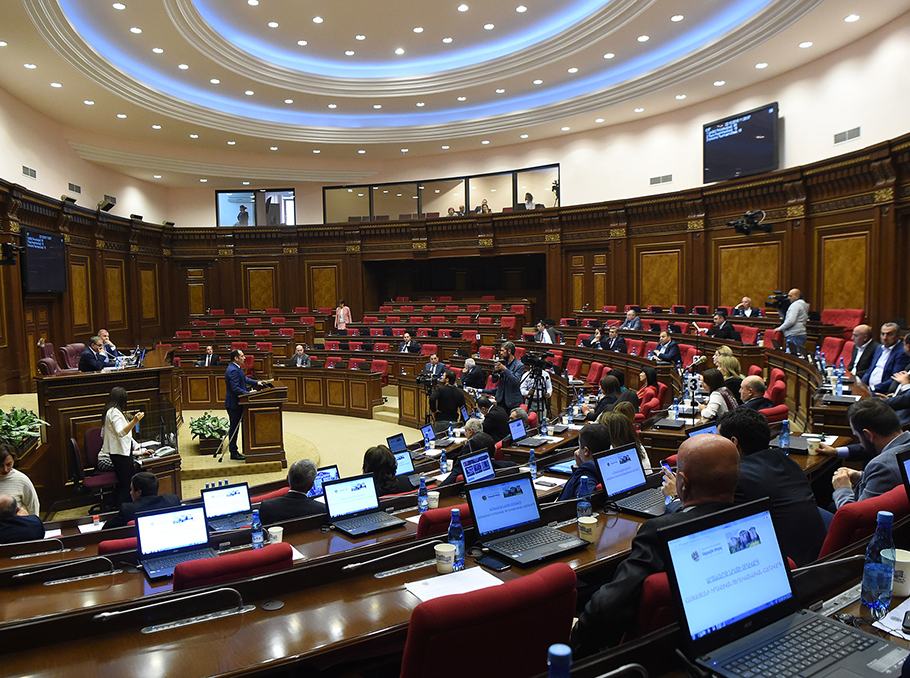
ARMENIA’S PARLIAMENT FAILED TO ADOPT CHANGES TO ELECTORAL CODE
The Caucasus and Turkish-Armenian Relations
23.10.2018
- UKRAINE TAKES ARMENIA AND KYRGYZSTAN TO WTO OVER STEEL PIPE DUTIES The Caucasus and Turkish-Armenian Relations 23.10.2018
- IRAQ MAY HAVE ‘FOURTH-BIGGEST OIL PRODUCER’ TAG, BUT THERE IS LITTLE TO SHOW FOR IT Iraq 23.10.2018
-
25.01.2016
THE ARMENIAN QUESTION - BASIC KNOWLEDGE AND DOCUMENTATION -
12.06.2024
THE TRUTH WILL OUT -
27.03.2023
RADİKAL ERMENİ UNSURLARCA GERÇEKLEŞTİRİLEN MEZALİMLER VE VANDALİZM -
17.03.2023
PATRIOTISM PERVERTED -
23.02.2023
MEN ARE LIKE THAT -
03.02.2023
BAKÜ-TİFLİS-CEYHAN BORU HATTININ YAŞANAN TARİHİ -
16.12.2022
INTERNATIONAL SCHOLARS ON THE EVENTS OF 1915 -
07.12.2022
FAKE PHOTOS AND THE ARMENIAN PROPAGANDA -
07.12.2022
ERMENİ PROPAGANDASI VE SAHTE RESİMLER -
01.01.2022
A Letter From Japan - Strategically Mum: The Silence of the Armenians -
01.01.2022
Japonya'dan Bir Mektup - Stratejik Suskunluk: Ermenilerin Sessizliği -
03.06.2020
Anastas Mikoyan: Confessions of an Armenian Bolshevik -
08.04.2020
Sovyet Sonrası Ukrayna’da Devlet, Toplum ve Siyaset - Değişen Dinamikler, Dönüşen Kimlikler -
12.06.2018
Ermeni Sorunuyla İlgili İngiliz Belgeleri (1912-1923) - British Documents on Armenian Question (1912-1923) -
02.12.2016
Turkish-Russian Academics: A Historical Study on the Caucasus -
01.07.2016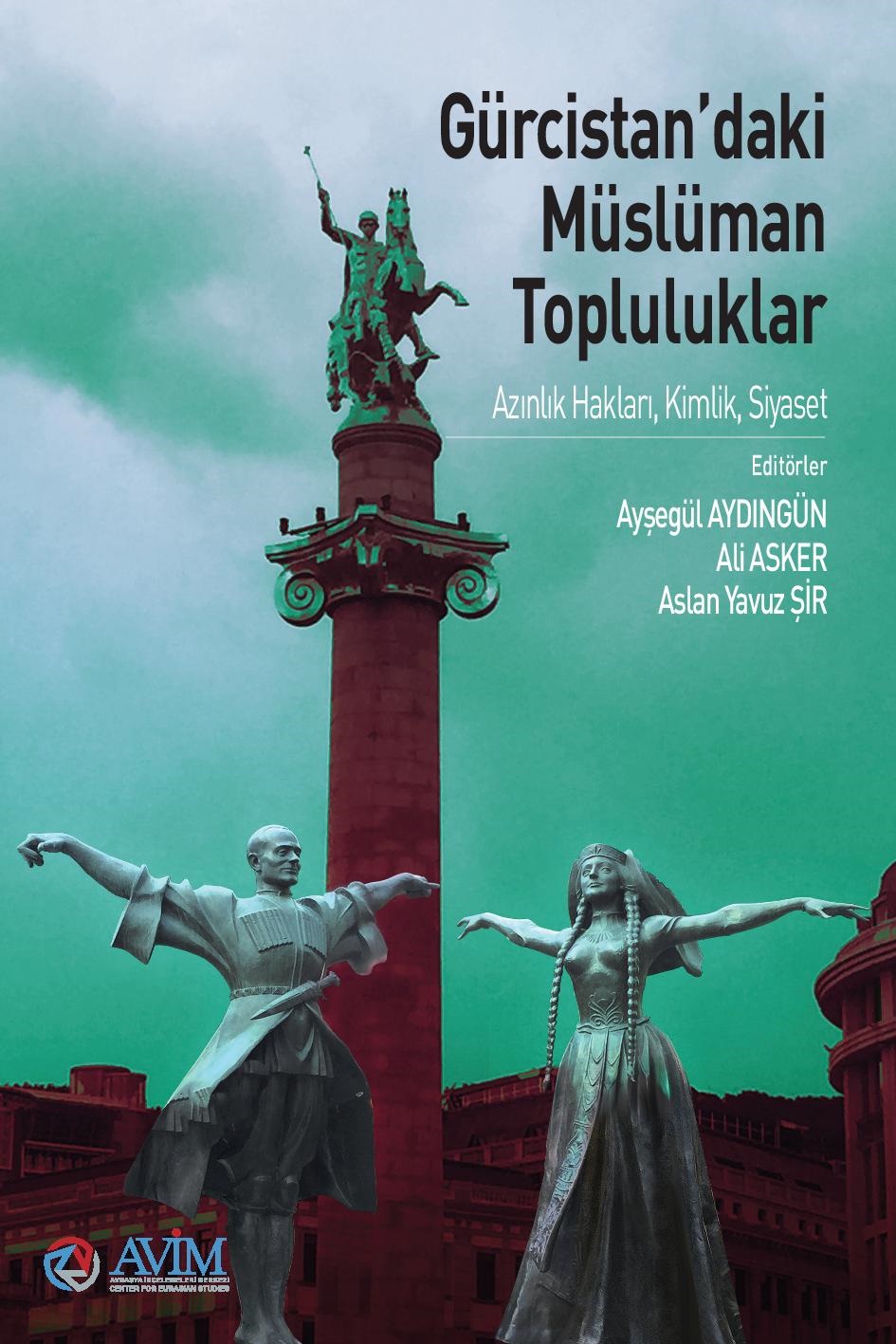
Gürcistan'daki Müslüman Topluluklar: Azınlık Hakları, Kimlik, Siyaset -
10.03.2016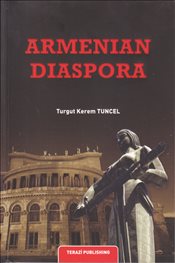
Armenian Diaspora: Diaspora, State and the Imagination of the Republic of Armenia -
24.01.2016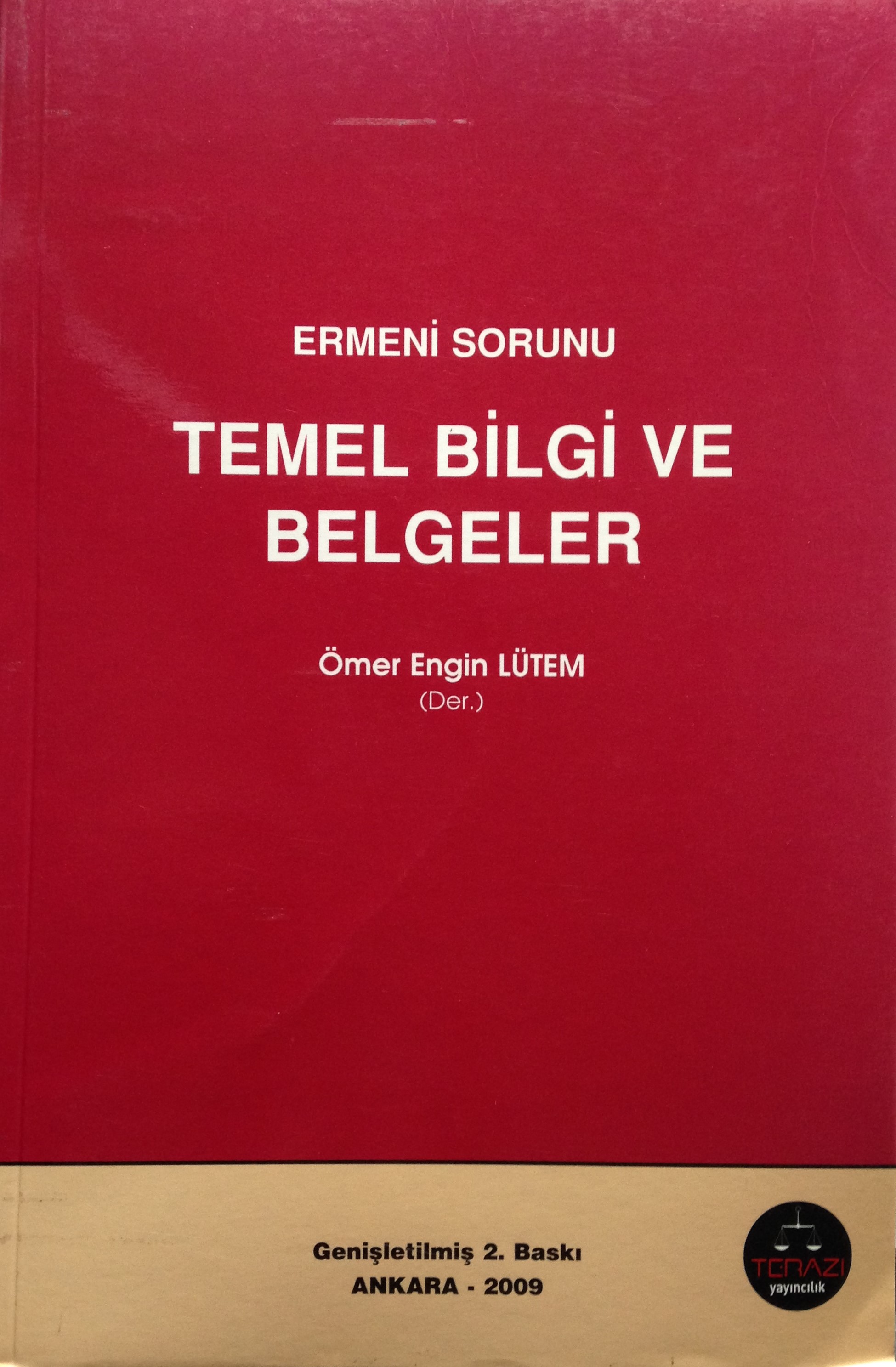
ERMENİ SORUNU - TEMEL BİLGİ VE BELGELER (2. BASKI)
-
AVİM Conference Hall 24.01.2023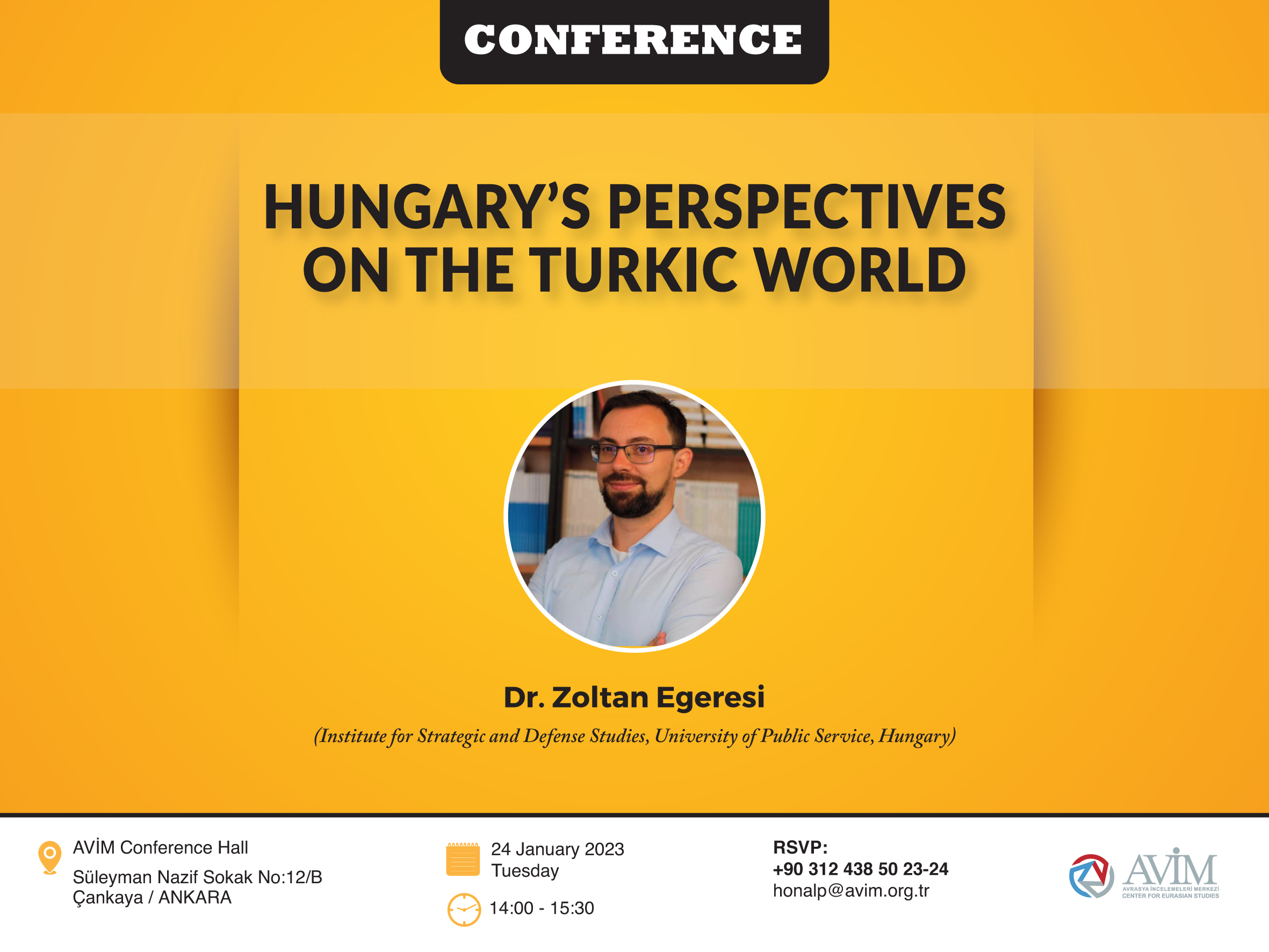
CONFERENCE TITLED “HUNGARY’S PERSPECTIVES ON THE TURKIC WORLD"