

















BBC (12 June 2018)
David Davis has told Conservative MPs the UK's whole approach to negotiations with the EU risks being undermined by amendments to its flagship Brexit bill.
The Commons will vote later on whether to give MPs a decisive say on any final deal struck with the EU in the autumn.
In a letter to Tory MPs, the Brexit secretary said it was "simply not right" that Parliament could overturn the referendum result with such a vote.
Theresa May has also appealed to her MPs not to undermine her position.
MPs will be asked to approve or reject a series of amendments made to the EU withdrawal bill by the House of Lords.
BBC political editor Laura Kuenssberg said the numbers were still "rather dicey" for the meaningful vote amendment, with the prime minister warning that any defeats on this key piece of legislation would send the wrong message to Brussels.
Ministers - including Mr Davis - earlier backed a compromise on future customs procedures.
The government has agreed to report to Parliament by October on efforts to negotiate a "customs arrangement" with the EU after Brexit.
The fallback position has won the backing of a cross-section of leading Tory MPs on either side of the Brexit argument, avoiding for now a showdown over calls - backed by the House of Lords earlier this year - for the UK to remain in a fully-fledged customs union with the EU after it leaves.
A big week for Brexit
What is the EU customs union?
The EU withdrawal bill is the legislation aimed at ensuring the UK has a smooth transition out of the EU, and will mean EU law is no longer supreme in the UK.
To avoid a sudden "cliff edge" on Brexit day, 29 March 2019, it would also convert existing EU law into UK law so the government and Parliament can decide at a later date which bits they want to keep or change.
The House of Lords has put forward 15 specific changes to the bill, but the government wants to kill off most of these changes.
However, numbers in the House of Commons are finely balanced, with the Conservatives not having a majority and needing the help of Northern Ireland's Democratic Unionist Party to get their way.
To rebel or not rebel?
On Monday, Mrs May told her MPs they "must think about the message Parliament will send to the European Union this week".
"I am confident I can get a deal that allows us to strike our own trade deals while having a border with the EU which is as frictionless as possible," she said.
"But if the Lords amendments are allowed to stand, that negotiating position will be undermined."
Some pro-EU Tories were reported to be backing away from voting against the government, over fears that a defeat could prompt a leadership contest and see Mrs May replaced by a more hard-line Brexiteer.
Former Education Secretary Nicky Morgan is reported to have said the customs compromise will "buy time" for the government ahead of a crucial summit of EU leaders later this month.
Former Attorney General Dominic Grieve told the BBC's Newsnight the customs issue had been "resolved", but he could still vote against the government on the terms of the "meaningful vote" which he said remained an "issue of difficulty".
Rebels have dismissed a commitment by ministers to make a statement within 28 days should MPs vote down the package negotiated by Mrs May, with several urging Parliament to "take control" in such a scenario.
Labour, which is backing 14 out of the 15 amendments, is urging Tory rebels to seize the chance to "decisively shape the course of the negotiations".
Laura Kuenssberg: Squeaky moment or not?
There is still a chance of a squeaky moment for the government, or having to rely on votes from some Labour MPs, on a move to give Parliament more power if MPs vote to reject the final Brexit deal.
Sources tell me the numbers are still rather dicey for that so called "meaningful vote" amendment that will take place tomorrow.
There are discussions ongoing among potential rebels about whether they should deploy their forces.
Some of them believe, as they do on the customs issue, that they have the numbers to beat the government if they decide it's the right moment. Appeals for party unity in the last couple of days, and the compromise on customs seem to have had some sway.
The government opposes the following Lords amendments:
- Granting new powers to oversee changes made to EU law by the government
- Removing the precise day of Brexit from the wording of the bill
- Removing a section allowing ministers to use secondary legislation to establish when individuals can challenge the validity of retained EU law after exit
- Only let ministers use delegated powers to amend retained EU law where "necessary"
- Preventing ministers from using delegated powers to implement the UK-EU Withdrawal Agreement
- Make staying in the European Economic Area, like Norway, a "negotiating objective" for the UK
- Transferring the EU's Charter of Fundamental Rights into UK law
- Allowing "enhanced scrutiny" when ministers use delegated powers to change EU employment, equality health and safety, consumer and environment rules
The government has proposed its own version of these ones:
- Giving Parliament the power to decide what happens if MPs and peers reject the final Brexit deal
- Explicitly preserving cooperation between Northern Ireland and the Republic and commit to no new border arrangements without the agreement of the UK and Irish governments
- Allowing people to challenge UK law if it fails to comply with the general principles of EU law
- Forcing ministers to maintain EU environmental principles in domestic law after Brexit
- Compelling ministers to aim for a deal allowing unaccompanied child refugees to join relatives in the UK
The government has accepted this amendment:
- Allowing the UK to replicate EU law made after Brexit day and continue to participate in EU agencies
The government is backing a compromise backbench amendment on this:
- Forcing the government to report on "steps taken to negotiate a customs union with the EU" by 31 October
No comments yet.
-
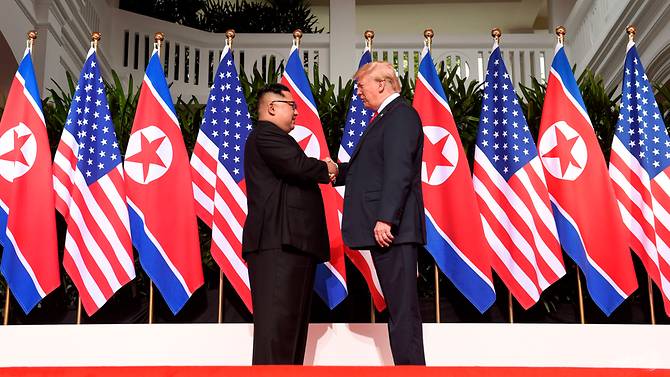 KIM JONG UN VOWS TO 'LEAVE THE PAST BEHIND' AFTER HISTORIC SINGAPORE SUMMIT WITH DONALD TRUMP
Asia - Pacific
12.06.2018
KIM JONG UN VOWS TO 'LEAVE THE PAST BEHIND' AFTER HISTORIC SINGAPORE SUMMIT WITH DONALD TRUMP
Asia - Pacific
12.06.2018
- POLAND AIMS TO BE ‘KEYSTONE’ BETWEEN DIVERGING EU AND US, SAYS PM Europe - EU 12.06.2018
- AFGHANISTAN LAUNCHES NATIONAL EXPORT STRATEGY WITH EU SUPPORT Asia - Pacific 12.06.2018
-
 MAKING A SPLASH: EUROPEAN INNOVATION FOR A BRIGHTER FUTURE
Europe - EU
12.06.2018
MAKING A SPLASH: EUROPEAN INNOVATION FOR A BRIGHTER FUTURE
Europe - EU
12.06.2018
- WILL EUROPE HELP OR HINDER UKRAINE IN CORRUPTION FIGHT? Europe - EU 12.06.2018
-
25.01.2016
THE ARMENIAN QUESTION - BASIC KNOWLEDGE AND DOCUMENTATION -
12.06.2024
THE TRUTH WILL OUT -
27.03.2023
RADİKAL ERMENİ UNSURLARCA GERÇEKLEŞTİRİLEN MEZALİMLER VE VANDALİZM -
17.03.2023
PATRIOTISM PERVERTED -
23.02.2023
MEN ARE LIKE THAT -
03.02.2023
BAKÜ-TİFLİS-CEYHAN BORU HATTININ YAŞANAN TARİHİ -
16.12.2022
INTERNATIONAL SCHOLARS ON THE EVENTS OF 1915 -
07.12.2022
FAKE PHOTOS AND THE ARMENIAN PROPAGANDA -
07.12.2022
ERMENİ PROPAGANDASI VE SAHTE RESİMLER -
01.01.2022
A Letter From Japan - Strategically Mum: The Silence of the Armenians -
01.01.2022
Japonya'dan Bir Mektup - Stratejik Suskunluk: Ermenilerin Sessizliği -
03.06.2020
Anastas Mikoyan: Confessions of an Armenian Bolshevik -
08.04.2020
Sovyet Sonrası Ukrayna’da Devlet, Toplum ve Siyaset - Değişen Dinamikler, Dönüşen Kimlikler -
12.06.2018
Ermeni Sorunuyla İlgili İngiliz Belgeleri (1912-1923) - British Documents on Armenian Question (1912-1923) -
02.12.2016
Turkish-Russian Academics: A Historical Study on the Caucasus -
01.07.2016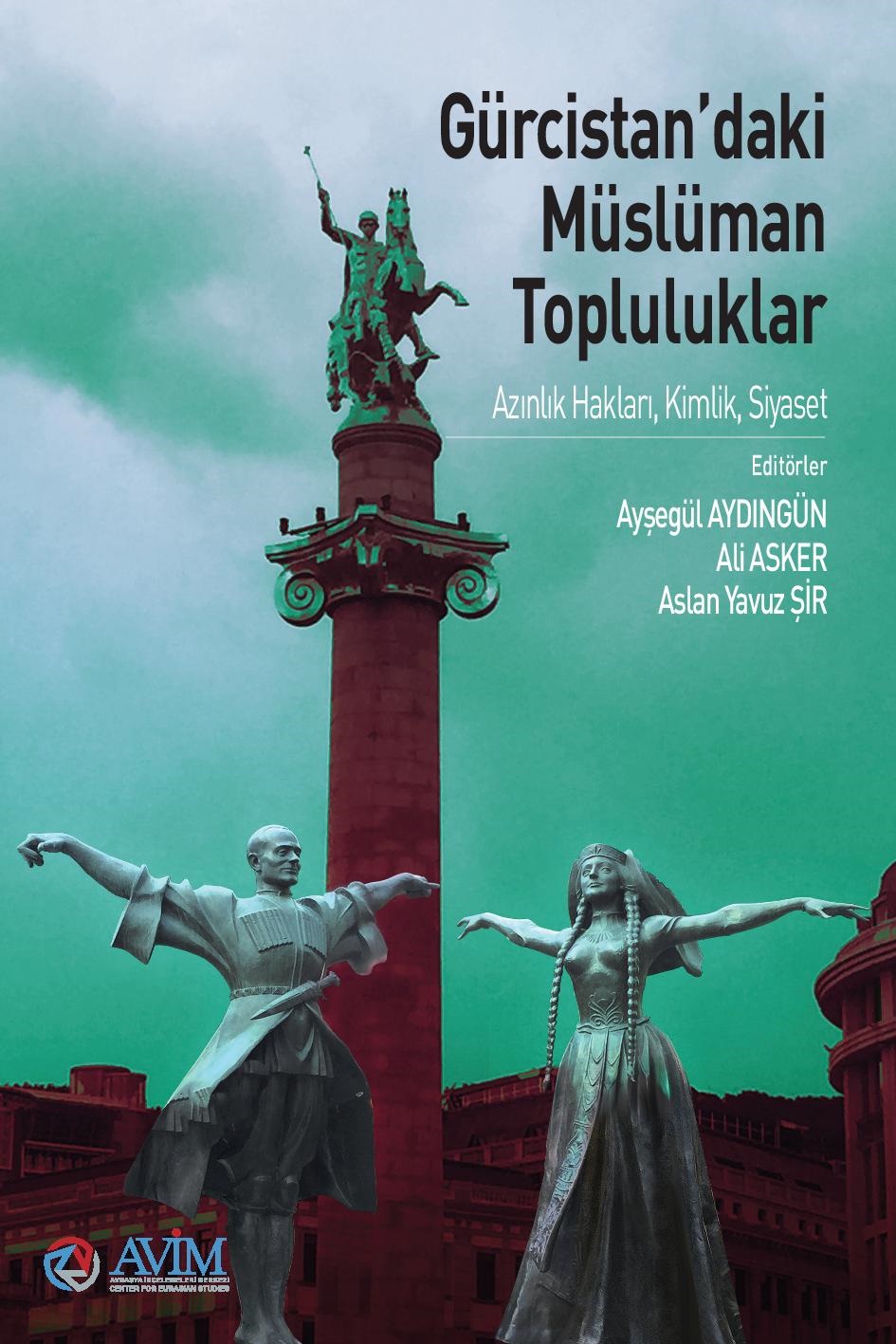
Gürcistan'daki Müslüman Topluluklar: Azınlık Hakları, Kimlik, Siyaset -
10.03.2016
Armenian Diaspora: Diaspora, State and the Imagination of the Republic of Armenia -
24.01.2016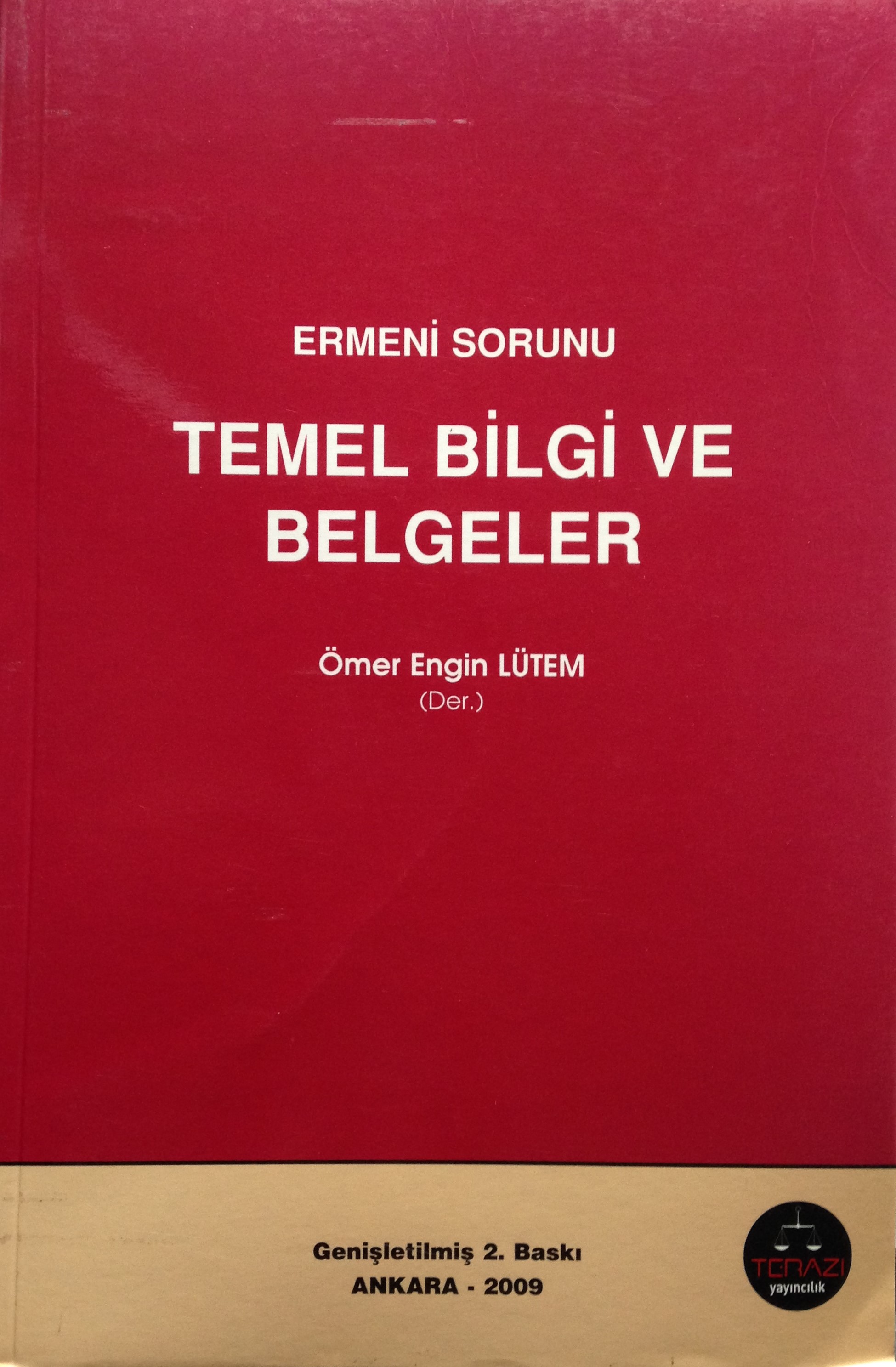
ERMENİ SORUNU - TEMEL BİLGİ VE BELGELER (2. BASKI)




-
AVİM Conference Hall 24.01.2023
CONFERENCE TITLED “HUNGARY’S PERSPECTIVES ON THE TURKIC WORLD"