

















Balkan Insight (30 April 2019)
Monday’s Berlin Summit on the Western Balkans ended without a hoped-for breakthrough in restarting EU-mediated talks between Kosovo and Serbia, making it unlikely that a mutually binding agreement to normalise relations will be reached this year.
Although Germany and France said they will be getting involved in efforts alongside the European Commission in its attempts to push Serbia and Kosovo into continuing their currently-stalled negotiations, the next meeting on the issue will only be held at the start of July.
Belgrade and Pristina are locked in an ongoing dispute over Kosovo’s decision last November to impose 100 per cent tariffs on Serbian goods in retaliation for Serbian lobbying against Kosovo’s membership of Interpol.
Serbian President Aleksandar Vucic said after the meeting that revoking the tariffs was Serbia’s only request, while Kosovo officials insisted that Belgrade should grant full recognition of its former province’s independence.
“In essence… we will have a new meeting in Paris on July 1 or 2, when we will try to find a solution for the continuation of the dialogue,” Vucic told Serbian media.
Kosovo President Hashim Thaci, who has previously called for the revoking of the tariffs, which have drawn criticism from the US and the EU, fully endorsed the imposition of the financial penalties after Monday’s meeting in Berlin.
“If Serbia continues with its aggressive actions, we will only take additional measures and will answer reciprocally,” Thaci said after speaking with the EU foreign policy chief Federica Mogherini.
He also called for the US to be included in the EU-mediated dialogue, saying that a final agreement with Serbia is far off.
“There are no negotiations, dialogue or agreement without the participation of the US. The EU is too weak and not united to move things forward in the Western Balkans,” he insisted.
Bojan Klacar from the Serbian Centre for Free Elections and Democracy, CeSid, says that the meeting in Berlin failed to live up to expectations, but that France and Germany’s decision to join the talks is a major change in the format of the negotiations.
“Germany is recognised as being the least inclined of European countries to [the idea of] changing Kosovo’s status, while France was the most explicit in saying that EU integration isn’t likely to happen soon,” Klacar told BIRN.
He argued that Germany is in a position to apply a “carrot and stick” approach towards Belgrade because of German carmaker Volkswagen’s mooted investment in Serbia.
“All this means more pressure on Vucic, not just because of Kosovo… but also on other issues, such as the state of democracy in Serbia,” Klacar said.
He added that despite this year being previously announced as key to reaching a mutually binding agreement on the normalisation of relations between Serbia and Kosovo, this has proven to be unrealistic.
While Kosovo-Serbia relations dominated the summit, other regional issues were discussed, including North Macedonia’s EU aspirations.
Skopje had hoped to get a clearer signal from France, which has been more sceptical about imminent EU enlargement in the Balkans, about a long-awaited decision in June that North Macedonia hopes will give it a date for the opening of its EU accession talks.
No such signal came, however, although German Chancellor Angela Merkel and French President Emmanuel Macron, who organised the Berlin Summit, had said that the summit was not focused on EU enlargement.
Merkel and Macron did praise North Macedonia for striking last year’s historic ‘name’ agreement with Greece, which resulted in Athens removing its obstacles to Skopje’s progress towards EU and NATO membership.
Merkel said that Skopje had taken “courageous steps” by changing the country’s name to resolve the long-running dispute.
Their pat on the back was welcomed by North Macedonian Prime Minister Zoran Zaev.
“I thank our friends from Germany and France for recognising and pinpointing the feats we undertook as an extraordinary contribution to Balkan and European stability,” Zaev wrote on Twitter after the meeting on Monday.
The Berlin Process, an EU-backed initiative to boost regional cooperation among Western Balkan countries and aid their European integration efforts, was launched at a summit in the German capital in 2014, and there have been major summits involving EU and Balkan leaders each year since then.
https://balkaninsight.com/2019/04/30/berlin-summit-fails-to-restart-stalled-kosovo-serbia-talks/
No comments yet.
- FINLAND RATIFIES EU-ARMENIA AGREEMENT The Caucasus and Turkish-Armenian Relations 30.04.2019
- AZERBAIJAN, CROATIA DISCUSS COOPERATION IN VARIOUS SPHERES The Caucasus and Turkish-Armenian Relations 30.04.2019
- BELGIUM LEAVES ARMENIAN GENOCIDE OUT OF LAW PENALIZING DENIAL The Caucasus and Turkish-Armenian Relations 30.04.2019
-
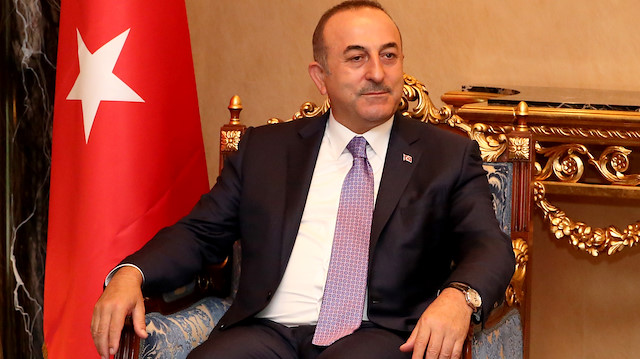 ÇAVUŞOĞLU: TURKMENS SHOULD BE DULY REPRESENTED IN IRAQ
Iraq
30.04.2019
ÇAVUŞOĞLU: TURKMENS SHOULD BE DULY REPRESENTED IN IRAQ
Iraq
30.04.2019
- IRAQ WILL 'COOPERATE' WITH SIEMENS ON POWER GRID PLAN Iraq 30.04.2019
-
25.01.2016
THE ARMENIAN QUESTION - BASIC KNOWLEDGE AND DOCUMENTATION -
12.06.2024
THE TRUTH WILL OUT -
27.03.2023
RADİKAL ERMENİ UNSURLARCA GERÇEKLEŞTİRİLEN MEZALİMLER VE VANDALİZM -
17.03.2023
PATRIOTISM PERVERTED -
23.02.2023
MEN ARE LIKE THAT -
03.02.2023
BAKÜ-TİFLİS-CEYHAN BORU HATTININ YAŞANAN TARİHİ -
16.12.2022
INTERNATIONAL SCHOLARS ON THE EVENTS OF 1915 -
07.12.2022
FAKE PHOTOS AND THE ARMENIAN PROPAGANDA -
07.12.2022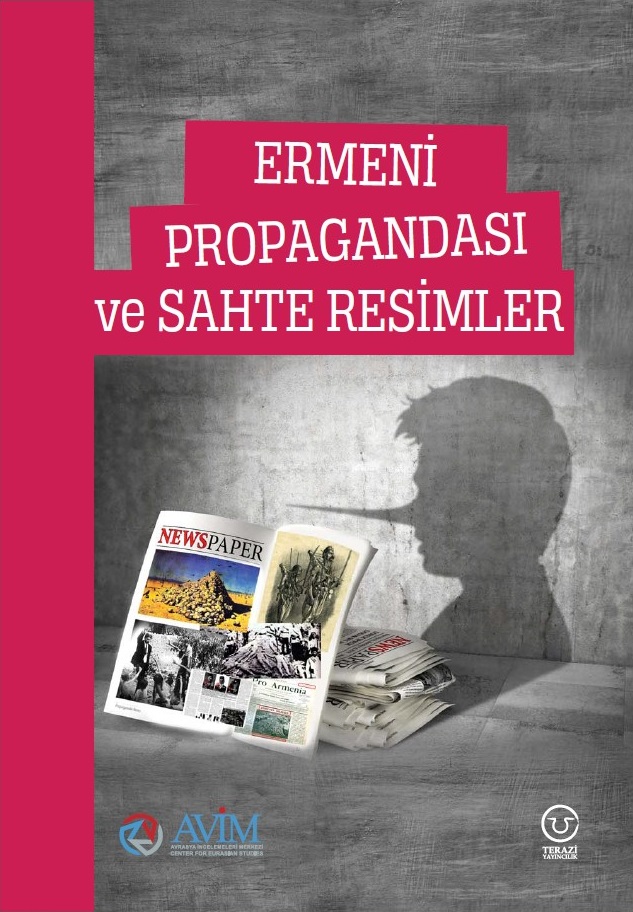
ERMENİ PROPAGANDASI VE SAHTE RESİMLER -
01.01.2022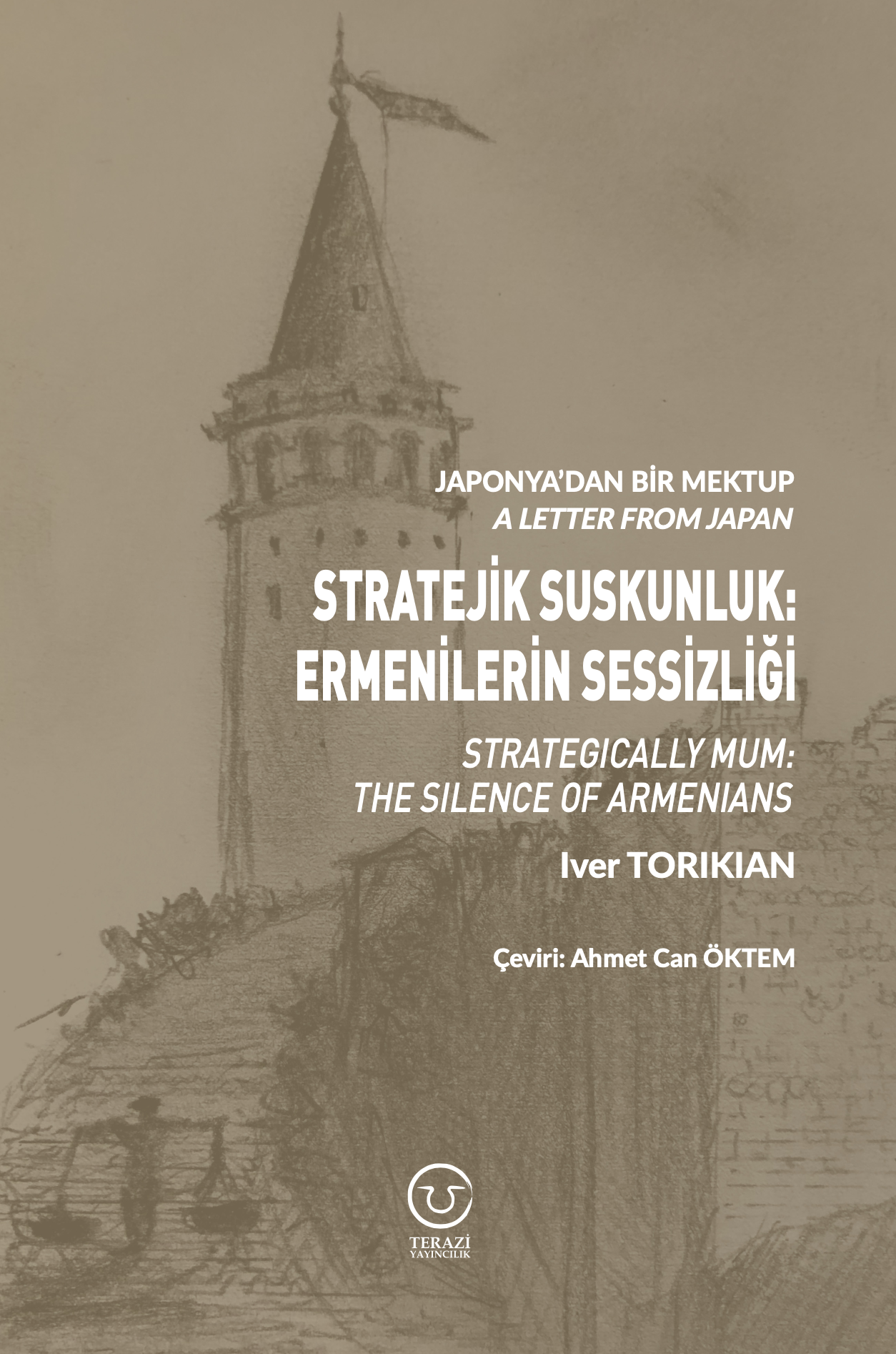
A Letter From Japan - Strategically Mum: The Silence of the Armenians -
01.01.2022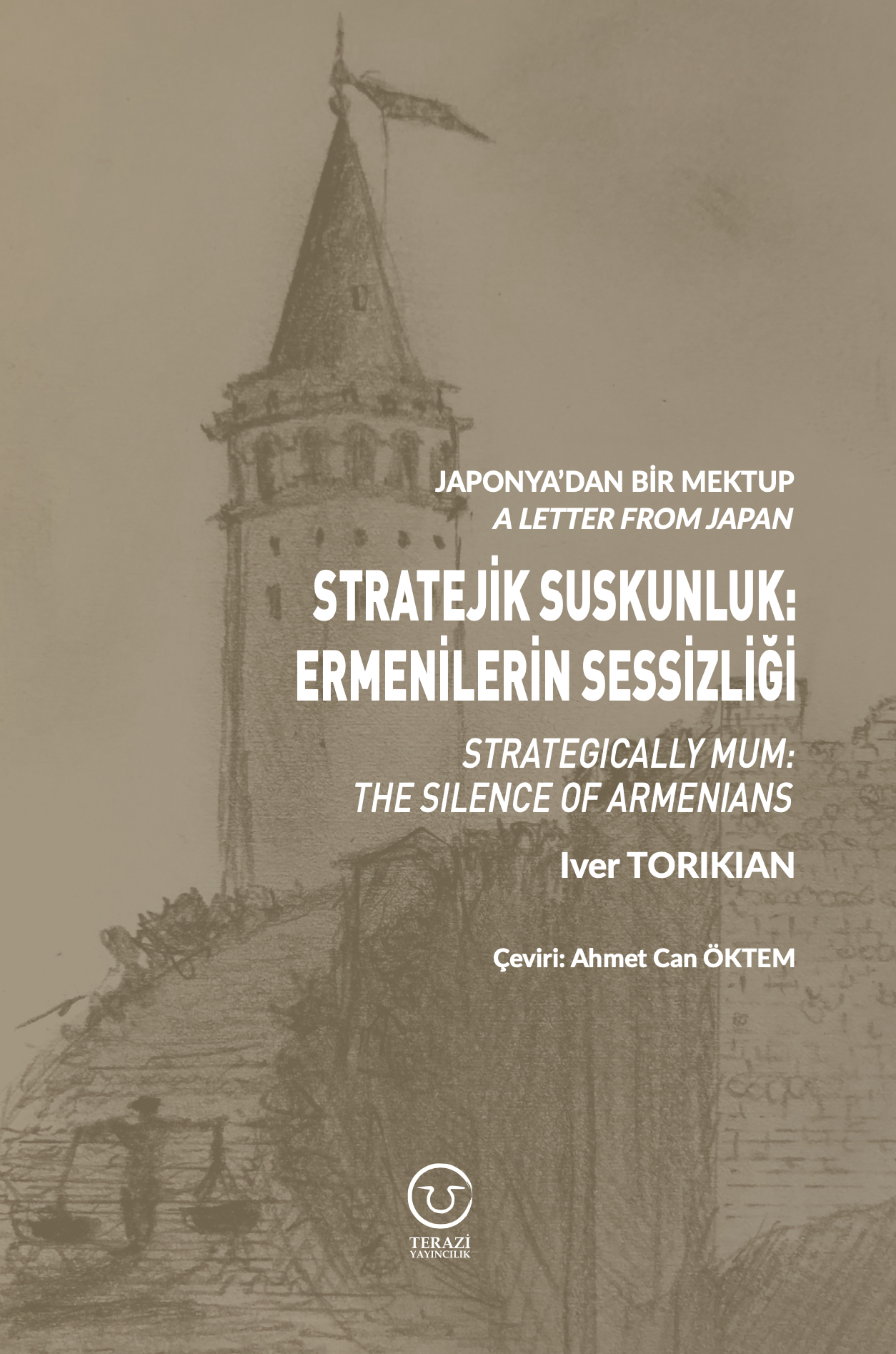
Japonya'dan Bir Mektup - Stratejik Suskunluk: Ermenilerin Sessizliği -
03.06.2020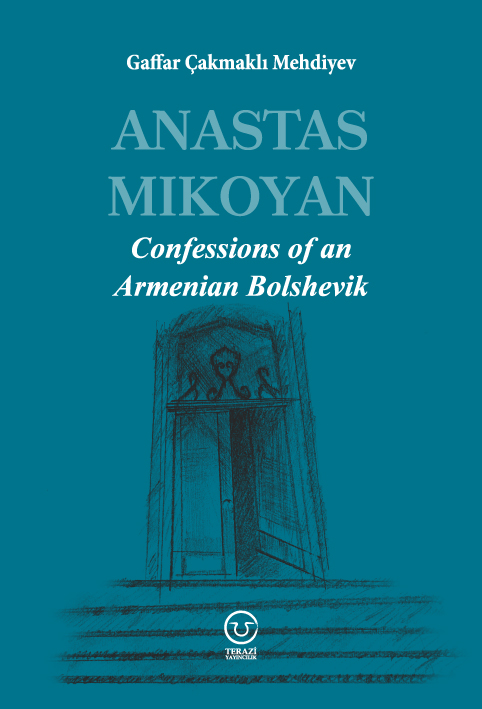
Anastas Mikoyan: Confessions of an Armenian Bolshevik -
08.04.2020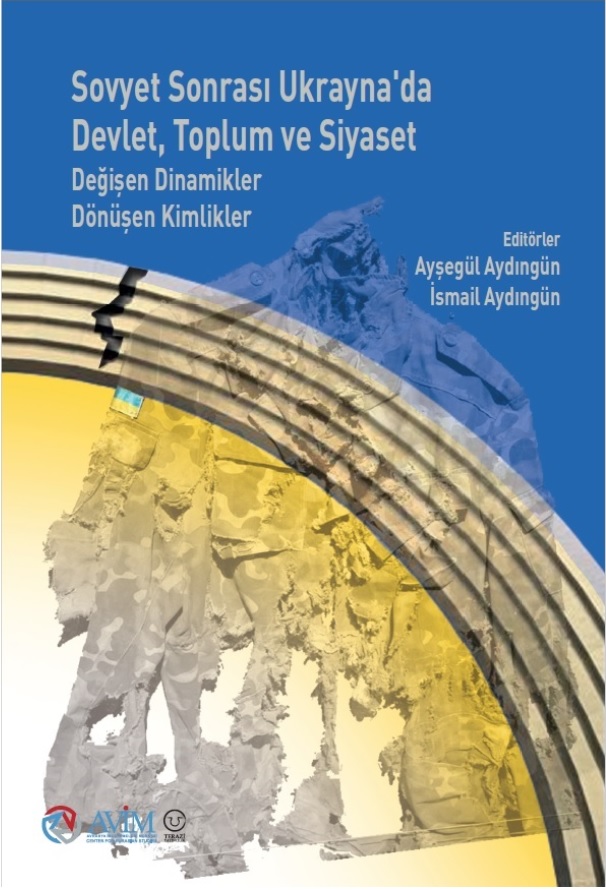
Sovyet Sonrası Ukrayna’da Devlet, Toplum ve Siyaset - Değişen Dinamikler, Dönüşen Kimlikler -
12.06.2018
Ermeni Sorunuyla İlgili İngiliz Belgeleri (1912-1923) - British Documents on Armenian Question (1912-1923) -
02.12.2016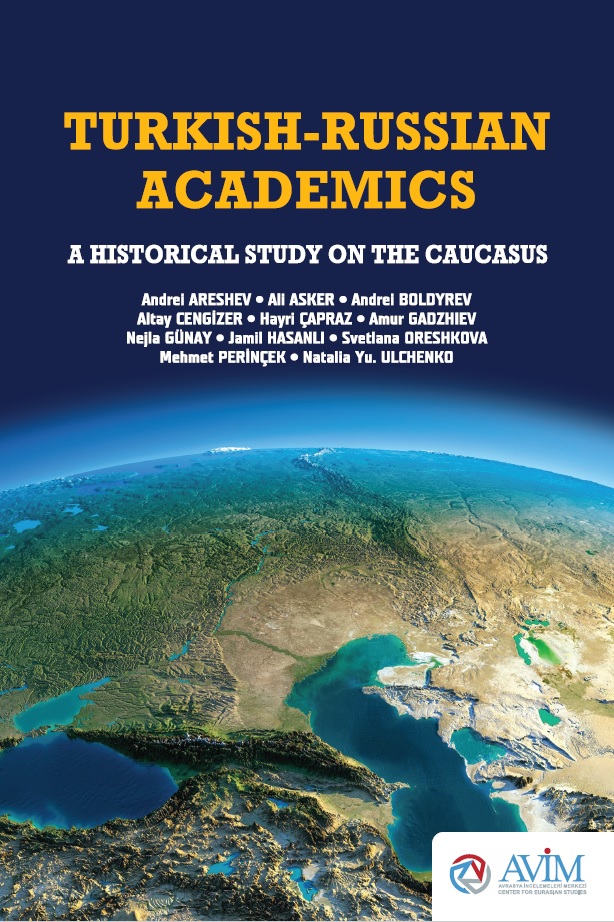
Turkish-Russian Academics: A Historical Study on the Caucasus -
01.07.2016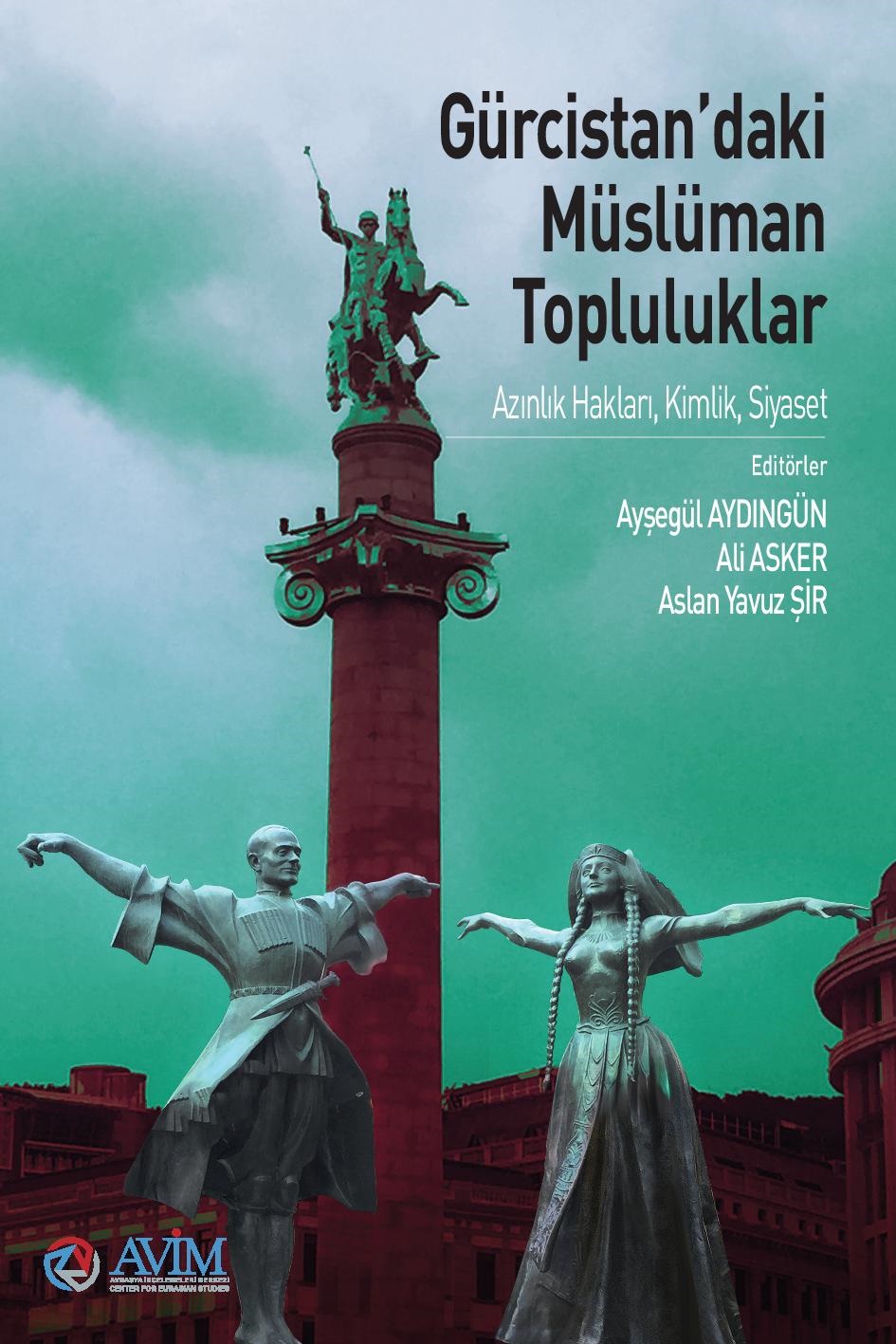
Gürcistan'daki Müslüman Topluluklar: Azınlık Hakları, Kimlik, Siyaset -
10.03.2016
Armenian Diaspora: Diaspora, State and the Imagination of the Republic of Armenia -
24.01.2016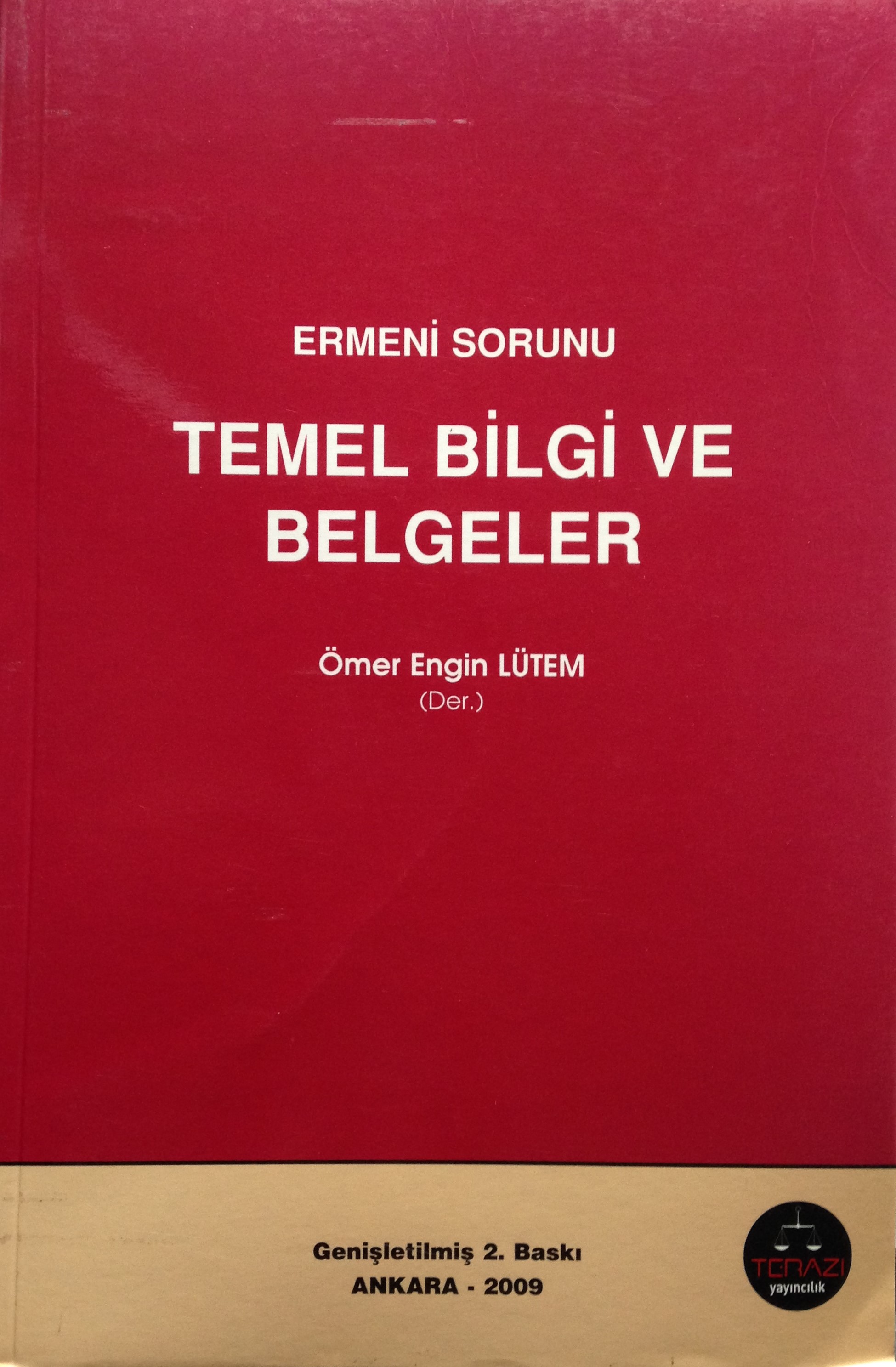
ERMENİ SORUNU - TEMEL BİLGİ VE BELGELER (2. BASKI)
-
AVİM Conference Hall 24.01.2023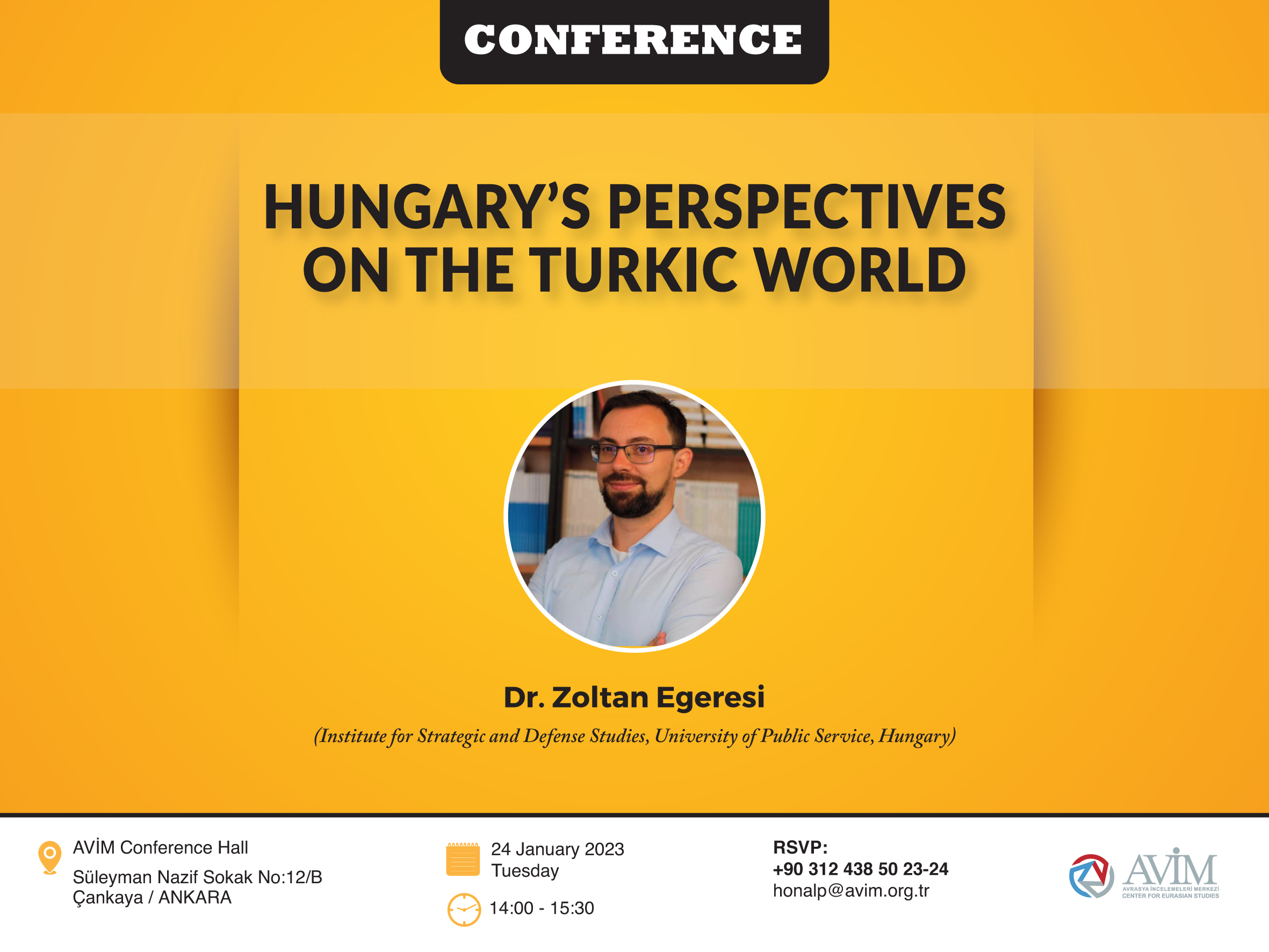
CONFERENCE TITLED “HUNGARY’S PERSPECTIVES ON THE TURKIC WORLD"