














Introduction
Debates on so‑called “state‑controlled diaspora models” have gained prominence in discussions of how states relate to their citizens and kindred communities abroad. This commentary engages with arguments advanced about the Turkish–Azerbaijani approach to diaspora policies and assesses what can reasonably be regarded as a legitimate pattern of state–diaspora interaction. Against this conceptual background, the analysis turns to the specific case of the Armenian diaspora and its relationship with the Republic of Armenia, highlighting how particular configurations of activism and influence can generate tensions between sovereign decision‑making and expectations articulated from outside the country.
The Claim of a “State‑Controlled Diaspora Model”
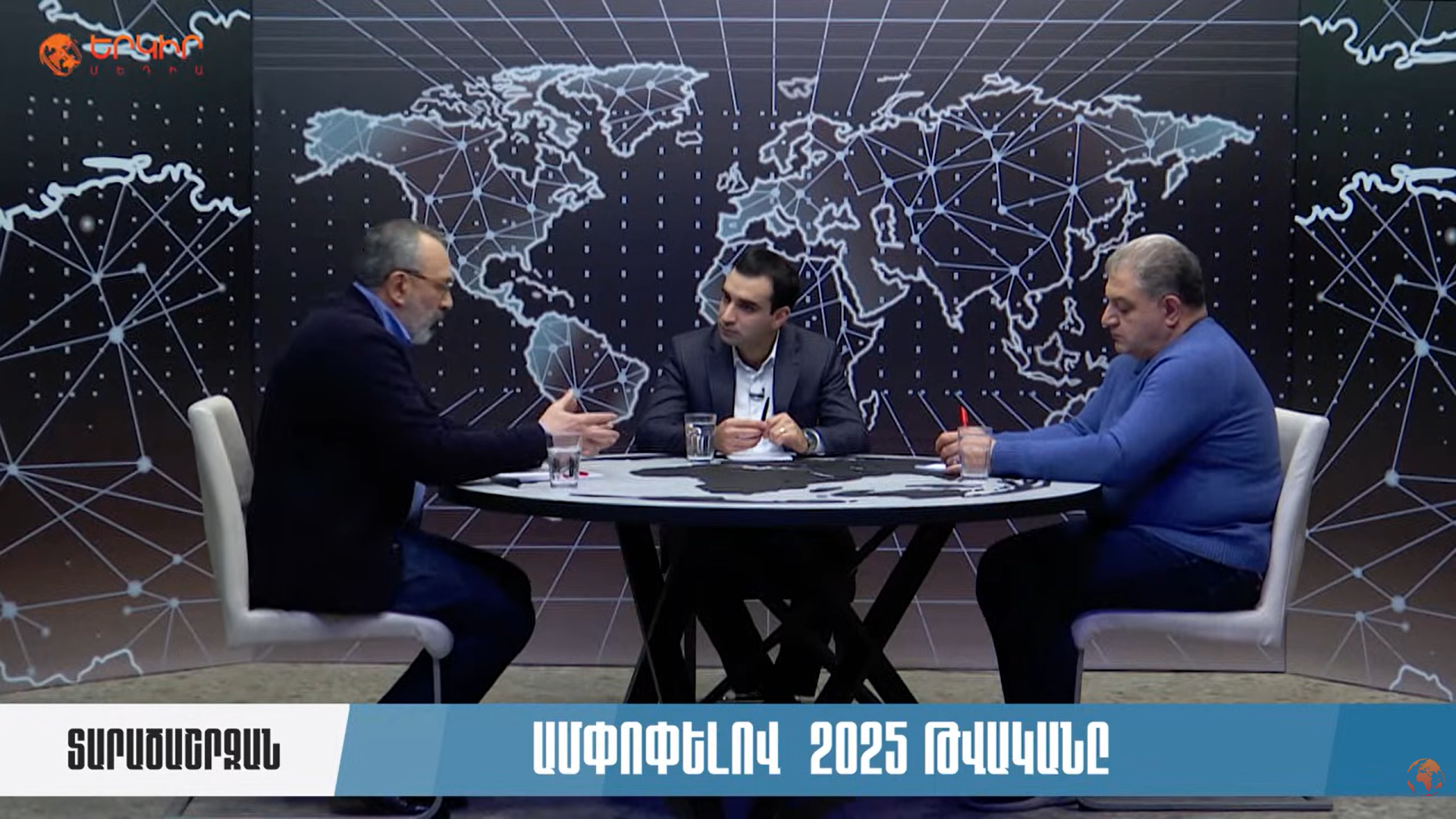
In the text under discussion, Türkiye and Azerbaijan are presented as operating a centrally directed “state‑controlled diaspora model,” in which diaspora organizations abroad function as coordinated extensions of state policy, “like the arms of an octopus.” [1] This depiction works with an implicit assumption: once a state establishes central mechanisms and institutions to engage its citizens or kin communities abroad, this is taken as evidence of manipulation or authoritarian control. Such a framing, however, overlooks a basic reality of international practice: sovereign states routinely create specialized bodies to sustain cultural, social, economic, and consular links with their citizens and related communities abroad, and these functions are both normal and legitimate in contemporary diplomacy.
State–Diaspora Relations
Building on the previous discussion, the analysis proceeds by normalizing what is often problematized in the “state‑controlled diaspora” narrative. If the mere existence of central institutions is treated as proof of manipulation, then almost every sovereign state would fall under the same accusation, since it is standard practice to maintain official bodies responsible for citizens and related communities abroad.
Central coordination, in this view, is not inherently suspect; it enables legitimate functions such as cultural preservation, consular protection, economic cooperation, and structured political consultation. The real difficulty arises when diaspora activism itself ignores host‑country laws and priorities and seeks to exercise direct leverage over homeland policy from a distance. From this perspective, the focus should therefore shift away from demonizing state institutions toward scrutinizing how diaspora actors use or misuse their influence on the homeland.[2]
The Specific Case of the Armenian Diaspora
When this general framework is applied to concrete cases, the Armenian diaspora stands out in several respects. Most members of this diaspora are not citizens of Armenia but of their respective host states, and thus their primary legal and political allegiance lies with those countries rather than with Yerevan. Despite this, certain influential segments seek a decisive voice in Armenia’s core sovereign decisions, including questions of borders, security, relations with neighbouring states, recognition policies, and historical claims. [3]
This situation generates a structural tension: communities located outside Armenia often advocate maximalist positions without directly bearing the costs of potential instability, renewed isolation, or conflict. In practice, such dynamics may narrow the Armenian government’s room for pragmatic engagement with its neighbours and risk turning diaspora–homeland relations into a form of external tutelage over a sovereign state.[4]
Comparing Turkish and Armenian Diasporas
Against this backdrop, it becomes important to consider how different diaspora communities position themselves in their host societies and toward their homelands. Turkish communities abroad have, in general, prioritized integration, respect for the rule of law, and everyday coexistence within their host countries, while still maintaining strong cultural and emotional ties to Türkiye. [5]
By contrast, activism in parts of the Armenian diaspora has frequently been organized around hardline and exclusivist narratives vis‑à‑vis Türkiye and Azerbaijan, with identity politics built on perpetual confrontation rather than accommodation. Persistent demonization and absolutist rhetoric in this context tend to harden positions, hinder reconciliation, and weaken incentives for compromise in Armenia and its neighbourhood. In addition, diaspora politics grounded in hostility and racialized discourse not only strains bilateral relations but also undermines the credibility of such actors in pluralistic, liberal‑democratic environments.[6]
Sovereignty, Responsibility, and a Healthier Model
The discussion thus returns to the initial problematization of “state‑controlled diaspora models” with a clearer distinction between normal state practice and genuinely troubling patterns of activism. The fundamental question is not whether a state engages with its diaspora, but whether that engagement is consistent with sovereignty, democratic accountability, and the rule of law.
A sustainable approach requires diaspora actors, particularly in the Armenian case, to recognize the primacy of Armenia’s citizens in determining national priorities and risk assessments. Responsible engagement should support peace, normalization, and regional stability rather than constrain them through uncompromising demands and exclusionary narratives. Transparent, law‑based diaspora policies on all sides, combined with a shift away from hostility‑driven activism, can help neutralize external manipulation and open genuine space for reconciliation.
*Picture: Youtube
[1] The California Courier Editorial Team, “Armenian Diaspora and Dangers of a State‑Controlled Diaspora Model” The California Courier, January 21, 2026, accessed February 25, 2026, https://www.thecaliforniacourier.com/armenian-diaspora-and-dangers-of-a-state-controlled-diaspora-model-youtube-video/
[2] Alev Kılıç “The Armenıan Dıaspora’s Statements: Not For Reconcılıatıon, But To Seek Revenge,” AVİM Commentary, February 08, 2013, https://avim.org.tr/public/en/Yorum/THE-ARMENIAN-DIASPORA-S-STATEMENTS-NOT-FOR-RECONCILIATION-BUT-TO-SEEK-REVENGE; AVİM Editorial “Attempts At Dıasporızıng Turkısh Armenıans – II ,” AVİM Commentary, January 19, 2019, https://avimbulten.org/public/en/Yorum/ATTEMPTS-AT-DIASPORIZING-TURKISH-ARMENIANS-II
[3] Alev Kılıç, “Armenia And The Armenian Diaspora,” AVİM Commentary, October 08, 2012, https://www.avimbulten.org/public/en/Yorum/ARMENIA-AND-THE-ARMENIAN-DIASPORA
[4] Turgut Kerem Tuncel, “Pashinyan Calls On Armenian Diaspora To Behave Responsibly ,” AVİM Commentary, October 04, 2024, https://avim.org.tr/en/Yorum/PASHINYAN-CALLS-ON-ARMENIA-DIASPORA-TO-BEHAVE-WITH-RESPONSIBILITY
[5] Mehmet Oğuzhan Tulun , “ATTEMPTS AT DIASPORIZING TURKISH ARMENIANS – III,” AVİM Commentary, May 07, 2019, https://avim.org.tr/public/en/Yorum/ATTEMPTS-AT-DIASPORIZING-TURKISH-ARMENIANS-III
[6] AVİM Editorial “Armenian-Kurdish Coalition In Syria: Turcophobia Fuels The Hostile Feelings Of Some Ill-Minded Armenian Nationalists,” AVİM Commentary, January 04, 2019, https://avim.org.tr/en/Yorum/ARMENIAN-KURDISH-COALITION-IN-SYRIA-TURCOPHOBIA-FUELS-THE-HOSTILE-FEELINGS-OF-SOME-ILL-MINDED-ARMENIAN-NATIONALISTS
© 2009-2025 Center for Eurasian Studies (AVİM) All Rights Reserved
No comments yet.
-
 THE MYTH OF RULES-BASED INTERNATIONAL ORDER IS UNDER DESTRUCTION
Teoman Ertuğrul TULUN 13.02.2026 -
 MACRON LAUNCHED MOBILIZATION TO INCREASE EUROPE'S NUCLEAR DETERRENCE
Teoman Ertuğrul TULUN 06.03.2026 -
 A GREEK PONTUS TV DRAMA MAKES MOCKERY OF HISTORICAL FACTS
Teoman Ertuğrul TULUN 31.08.2020 -
 NATO’S DIGITAL EXPOSURES: ARMENIA’S US-BACKED AI MEGAPROJECT IN THE SOUTH CAUCASUS
Teoman Ertuğrul TULUN 03.03.2026 -
 WHAT WILL RUSSIA DO IN RESPONSE TO THE REVISIONIST MILITARIZATION OF THE DODECANESE BY GREECE?
Teoman Ertuğrul TULUN 01.08.2022
-
A POSITIVE SHIFT IN THE VATICAN’S HISTORICAL NARRATIVE
Mehmet Oğuzhan TULUN 04.02.2016 -
 MURAD OF SEBASTIA (SIVAS) - A LESSER KNOWN ARMENIAN FEDAYEE MOSTLY PORTRAYED BY A FEW, HIGHLY QUESTIONABLE SOURCES
Ahmet Can ÖKTEM 29.04.2022 -
 PRESIDENT SARGSYAN’S RESPONSE TO THE INVITATION FOR THE COMMEMORATION CEREMONIES OF THE 100TH ANNIVERSARY OF THE BATTLE OF GALLIPOLI
AVİM 20.01.2015 -
 ECONOMIC INTEGRATION GROWS IN INDO-PACIFIC
Şevval Beste GÖKÇELİK 07.06.2022 -
 AVİM HELD A CONFERENCE ON “MONGOLIA’S POTENTIAL IN THE REGION, THE CURRENT SITUATION IN MONGOLIA PRIOR TO THE 11TH ASIA-EUROPE MEETING (ASEM) AND TURKISH-MONGOLIAN RELATIONS”
AVİM 19.01.2016
-
25.01.2016
THE ARMENIAN QUESTION - BASIC KNOWLEDGE AND DOCUMENTATION -
12.06.2024
THE TRUTH WILL OUT -
27.03.2023
RADİKAL ERMENİ UNSURLARCA GERÇEKLEŞTİRİLEN MEZALİMLER VE VANDALİZM -
17.03.2023
PATRIOTISM PERVERTED -
23.02.2023
MEN ARE LIKE THAT -
03.02.2023
BAKÜ-TİFLİS-CEYHAN BORU HATTININ YAŞANAN TARİHİ -
16.12.2022
INTERNATIONAL SCHOLARS ON THE EVENTS OF 1915 -
07.12.2022
FAKE PHOTOS AND THE ARMENIAN PROPAGANDA -
07.12.2022
ERMENİ PROPAGANDASI VE SAHTE RESİMLER -
01.01.2022
A Letter From Japan - Strategically Mum: The Silence of the Armenians -
01.01.2022
Japonya'dan Bir Mektup - Stratejik Suskunluk: Ermenilerin Sessizliği -
03.06.2020
Anastas Mikoyan: Confessions of an Armenian Bolshevik -
08.04.2020
Sovyet Sonrası Ukrayna’da Devlet, Toplum ve Siyaset - Değişen Dinamikler, Dönüşen Kimlikler -
12.06.2018
Ermeni Sorunuyla İlgili İngiliz Belgeleri (1912-1923) - British Documents on Armenian Question (1912-1923) -
02.12.2016
Turkish-Russian Academics: A Historical Study on the Caucasus -
01.07.2016
Gürcistan'daki Müslüman Topluluklar: Azınlık Hakları, Kimlik, Siyaset -
10.03.2016
Armenian Diaspora: Diaspora, State and the Imagination of the Republic of Armenia -
24.01.2016
ERMENİ SORUNU - TEMEL BİLGİ VE BELGELER (2. BASKI)
-
AVİM Conference Hall 24.01.2023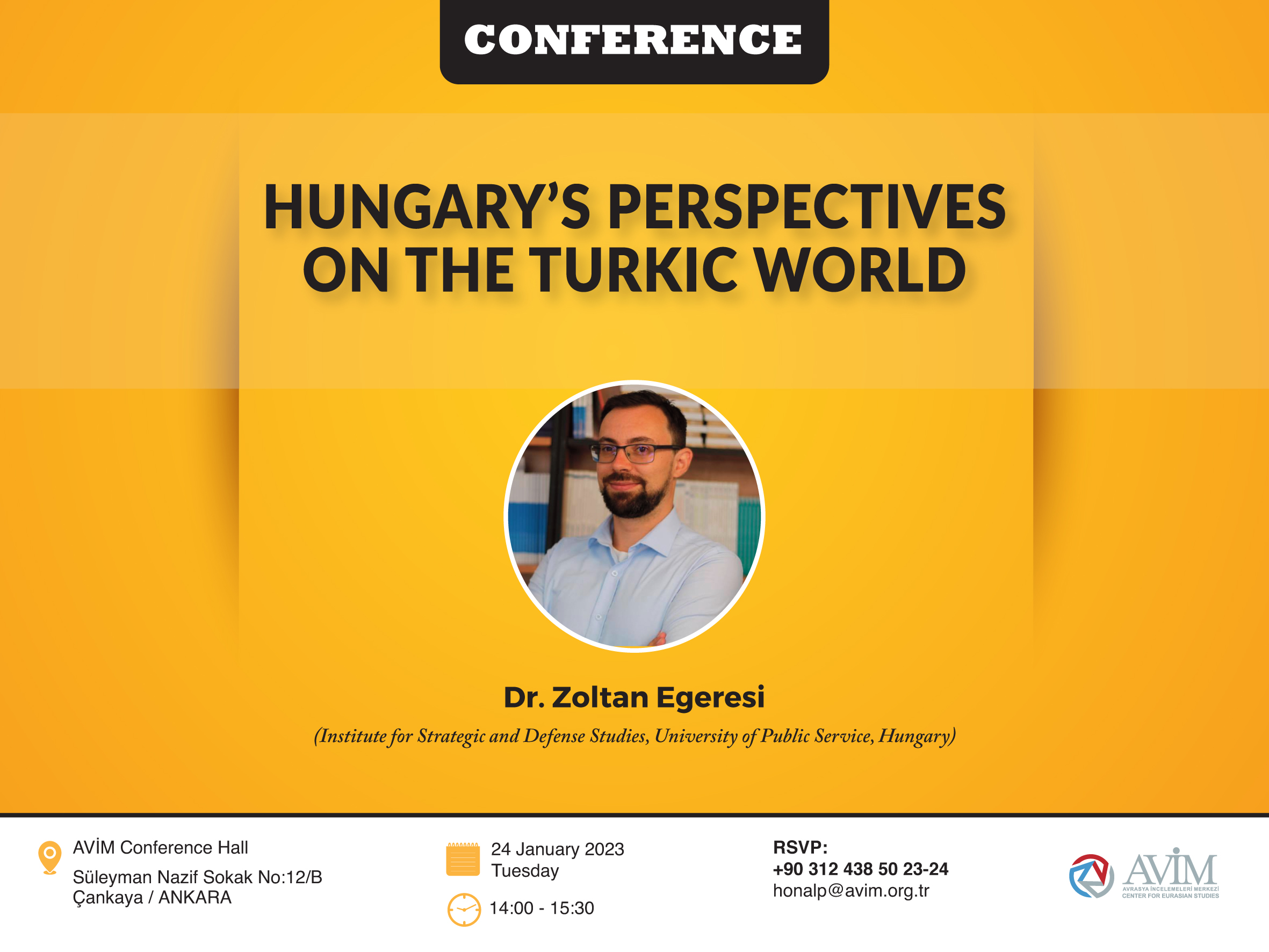
CONFERENCE TITLED “HUNGARY’S PERSPECTIVES ON THE TURKIC WORLD"