

















26.04.2016
EurActiv
Ukraine today (26 April) marks 30 years since the world’s worst nuclear accident at Chernobyl killed thousands and forced a global rethink about the wisdom of relying on atomic fuel.
More than 200 tonnes of uranium remain inside the dilapidated reactor that spewed radioactive clouds across three quarters of Europe after a botched safety test that Soviet authorities did their best to cover up.
Lingering fears of new leaks occurring should the ageing concrete structure covering the toxins collapse have prompted an international push to fund the construction of a giant new arch that could keep the site safe for at least a century.
International donors on Monday (25 April) pledged an additional €87.5 million toward building a larger new spent nuclear fuel storage facility that could let Ukrainians live without fear for generations to come.
Soviet silence
Reactor number four of the northern Ukrainian plant exploded on 26 April 1976 and burned for 10 days that horrified the world, but which locals only heard about through rumours and tidbits gleamed from jammed Western radio broadcasts.
The Communist Party kept to its steadfast tradition of saying nothing or outright lying in order to keep the public from learning of tragedies that could tarnish the image of the Cold War-era superpower.
They evacuated the 48,000 inhabitants of the nearby town of Pripyat only the following afternoon.
The first alarm was raised on 28 April when Sweden detected an unexplained rise in its own radiation levels.
Communist Party Secretary General Mikhail Gorbachev – winner of the 1990 Nobel Peace Prize for championing democratic and economic reforms – did not publicly admit the disaster until 14 May.
Soviet television did its best in the meantime to convince people their nation was being subjected to a slanderous foreign propaganda campaign.
“As you can see, the enormous destruction about which Western media keep endlessly talking about, is not there,” said one black-and-white news clip that showed scenes from the plant shortly after the meltdown.
“An essential element of the operations ongoing at Chernobyl is the absolute safety of all who work there,” it added.
But the authorities did relocated 116,000 people that year from the 30-kilometre (19-mile) exclusion zone that still surrounds the now-dormant plant.
Some 600,000 people who became known as “liquidators” – comprised mostly of emergency workers and state employees – were dispatched with little or no protective gear to help put out the toxic flames.
They were also responsible for erecting a sarcophagus over the remains of the damaged reactor to prevent further radiation leaks.
Invisible poison
The United Nations Scientific Committee on the Effects of Atomic Radiation officially recognised that around 30 of those sent to save Chernobyl from becoming an even bigger disaster died.
Yet the total number of people killed from radiation poisoning remains a matter of intense dispute.
A controversial UN report published in 2005 estimated that “up to 4,000” could eventually perish from the invisible poison in Ukraine and neighbouring Russia and Belarus.
The Greenpeace environmental protection group slammed that figure the next year as a gross underestimate.
The 1979 Three Mile Island incident in the US state of Pennsylvania and Chernobyl’s explosion prompted a strong turn in public opinion against nuclear power and only a handful of US plants were commissioned between 1986 and 2013.
The Chernobyl tragedy also fanned the rise of Green parties in Germany and other European nations that relied heavily on nuclear fuel.
Monster cage
Fears that the sarcophagus hastily built in those frantic days was cracking saw more than 40 countries pitch in €2.1 billion for the creation of an unprecedented new 25,000-tonne steel protective barrier in 2010.
About €165 million more are expected from the G7 group of world powers and the European Commission.
The giant arch is wide and tall enough to cover the Notre-Dame Cathedral in Paris and weighs three times more than the Eiffel Tower.
Most of the main work has now been completed and the structure is being fitted out with high-tech equipment that – if everything goes according to plan – will be able to decontaminate the hazardous material inside.
“We would have never been able to deal with this calamity without the international community’s help,” Ukrainian Environment Minister Ostap Semerak wrote on Facebook.
No comments yet.
- BRITAIN’S TRADE OPTIONS AFTER BREXIT – NO EASY WAY OUT Europe - EU 26.04.2016
- AFGHANISTAN FACING ITS WORST HUMANITARIAN CRISIS SINCE WAR BEGAN, RED CROSS SAYS Asia - Pacific 26.04.2016
- OBAMA LEAVES EUROPE WITH PROMISES OF SECURITY AND COOPERATION Europe - EU 26.04.2016
- A GOOD BUSINESS CLIMATE IS BEING CREATED IN KOSOVO, SAYS PRESIDENT THACI The Balkans 26.04.2016
- KAZAKHSTAN REFUSES TO INVESTIGATE PANAMA PAPER LINKS TO PRESIDENT’S FAMILY Asia - Pacific 26.04.2016
-
25.01.2016
THE ARMENIAN QUESTION - BASIC KNOWLEDGE AND DOCUMENTATION -
12.06.2024
THE TRUTH WILL OUT -
27.03.2023
RADİKAL ERMENİ UNSURLARCA GERÇEKLEŞTİRİLEN MEZALİMLER VE VANDALİZM -
17.03.2023
PATRIOTISM PERVERTED -
23.02.2023
MEN ARE LIKE THAT -
03.02.2023
BAKÜ-TİFLİS-CEYHAN BORU HATTININ YAŞANAN TARİHİ -
16.12.2022
INTERNATIONAL SCHOLARS ON THE EVENTS OF 1915 -
07.12.2022
FAKE PHOTOS AND THE ARMENIAN PROPAGANDA -
07.12.2022
ERMENİ PROPAGANDASI VE SAHTE RESİMLER -
01.01.2022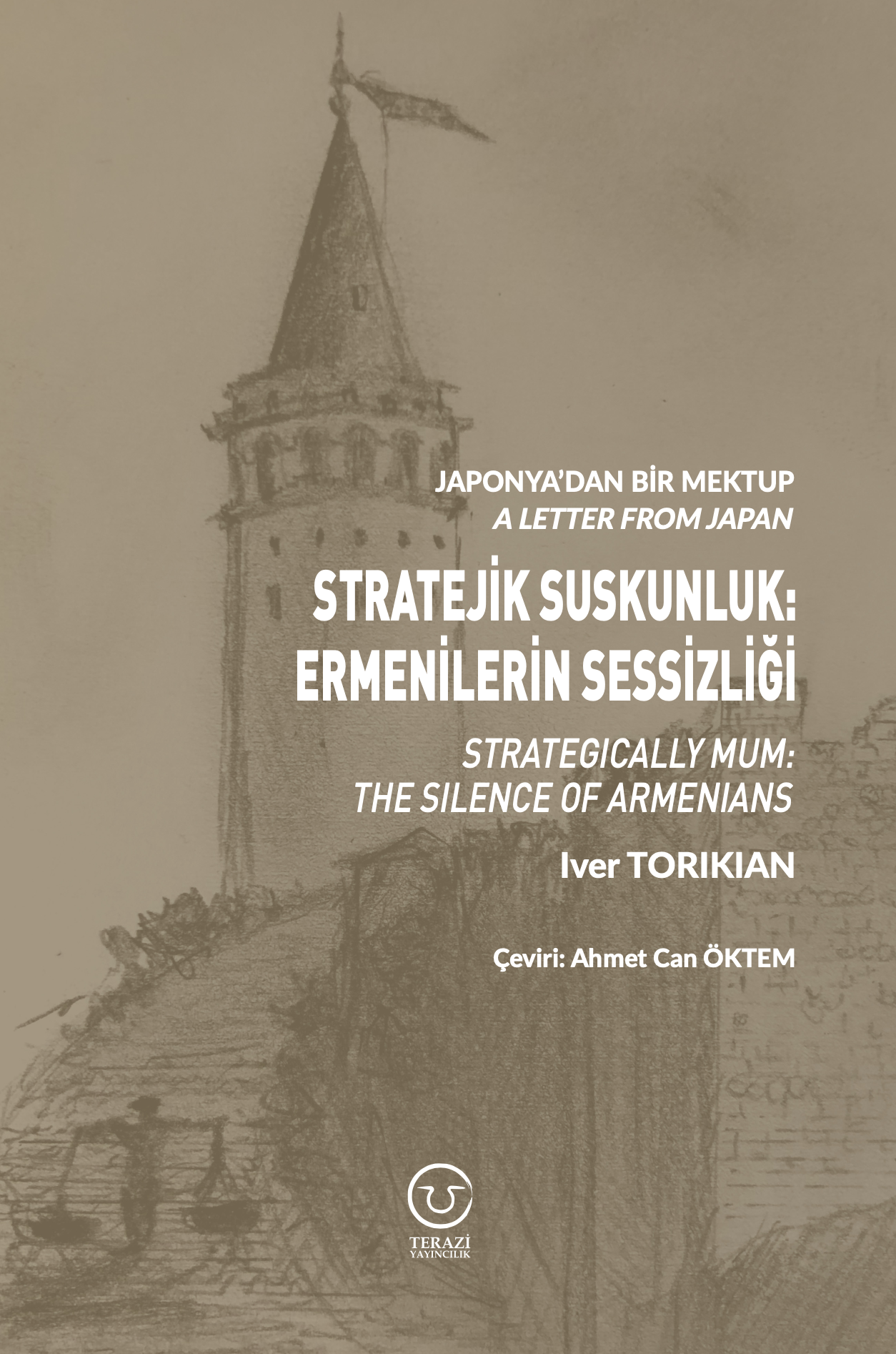
A Letter From Japan - Strategically Mum: The Silence of the Armenians -
01.01.2022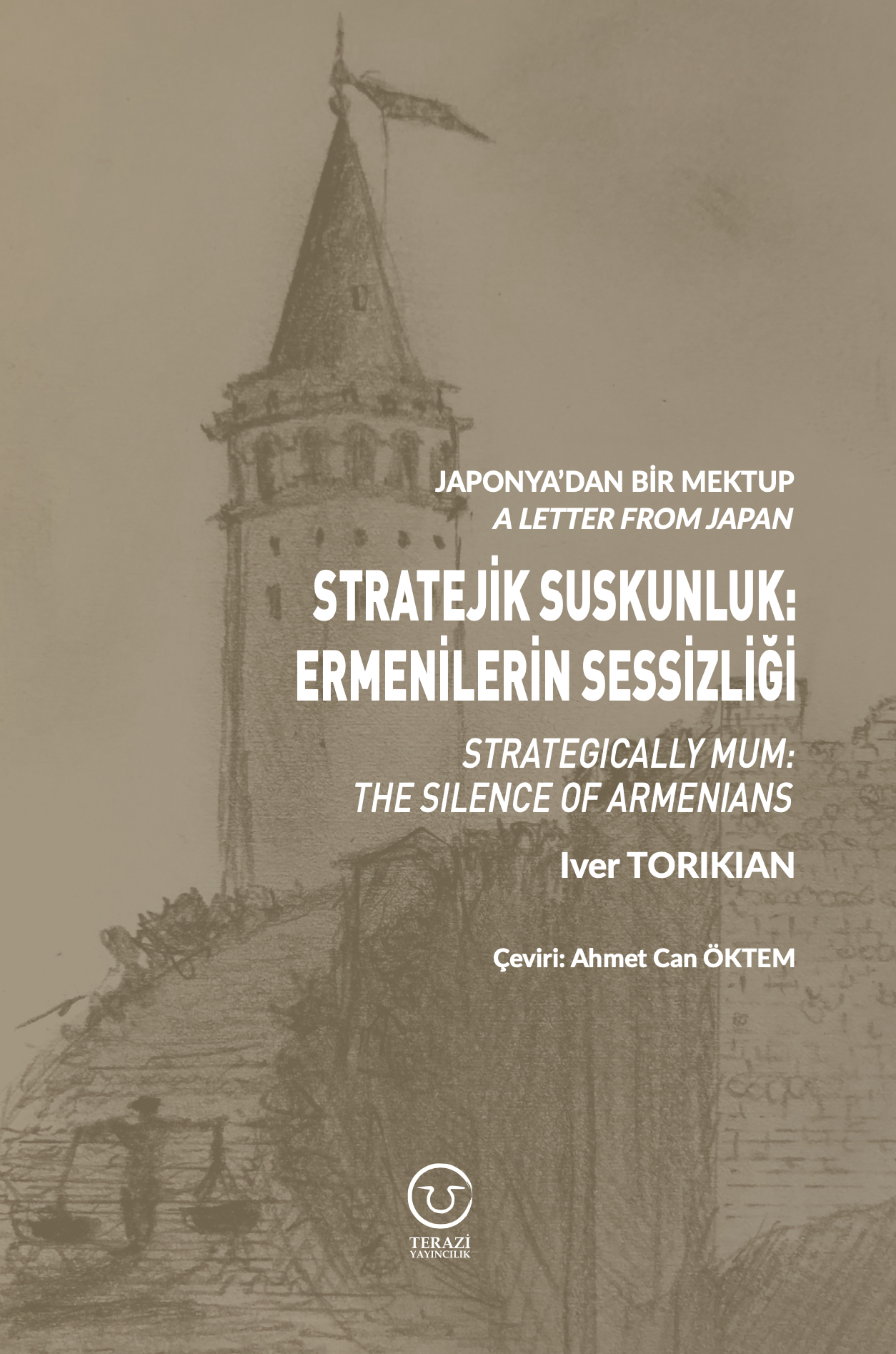
Japonya'dan Bir Mektup - Stratejik Suskunluk: Ermenilerin Sessizliği -
03.06.2020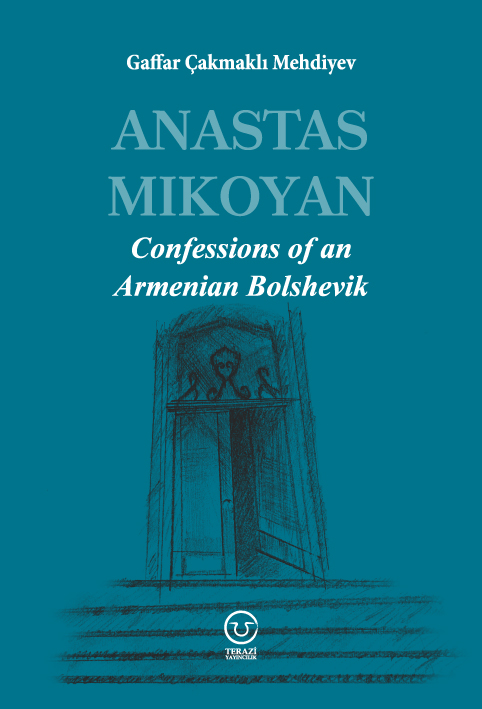
Anastas Mikoyan: Confessions of an Armenian Bolshevik -
08.04.2020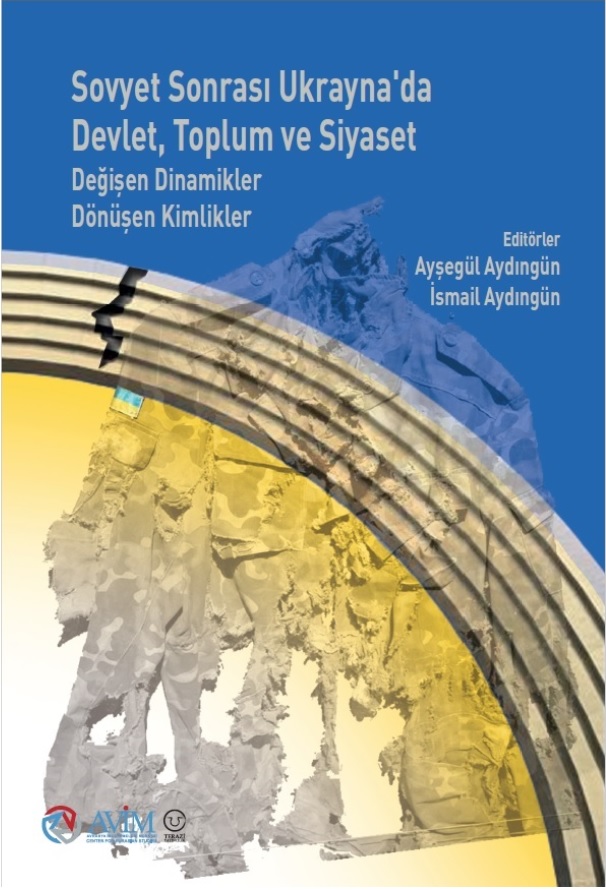
Sovyet Sonrası Ukrayna’da Devlet, Toplum ve Siyaset - Değişen Dinamikler, Dönüşen Kimlikler -
12.06.2018
Ermeni Sorunuyla İlgili İngiliz Belgeleri (1912-1923) - British Documents on Armenian Question (1912-1923) -
02.12.2016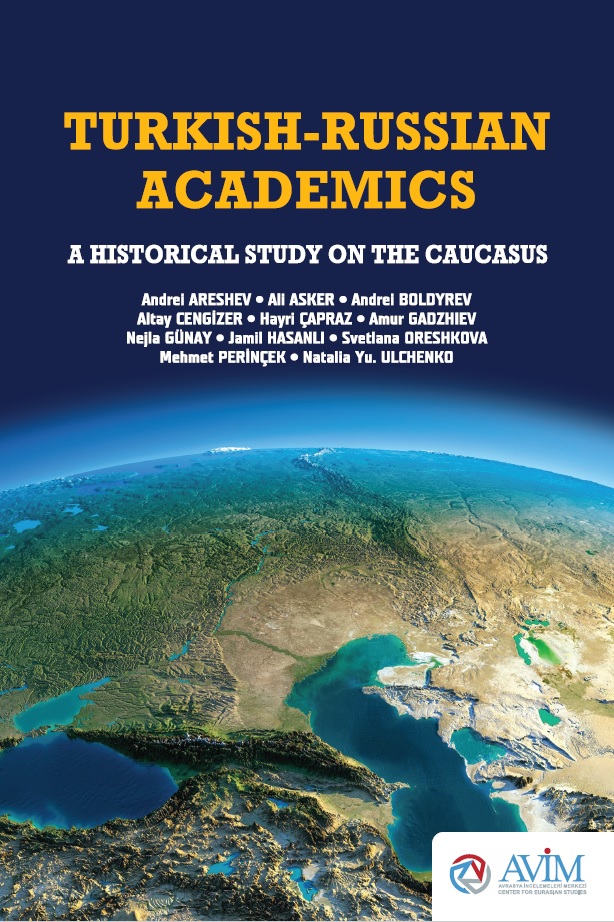
Turkish-Russian Academics: A Historical Study on the Caucasus -
01.07.2016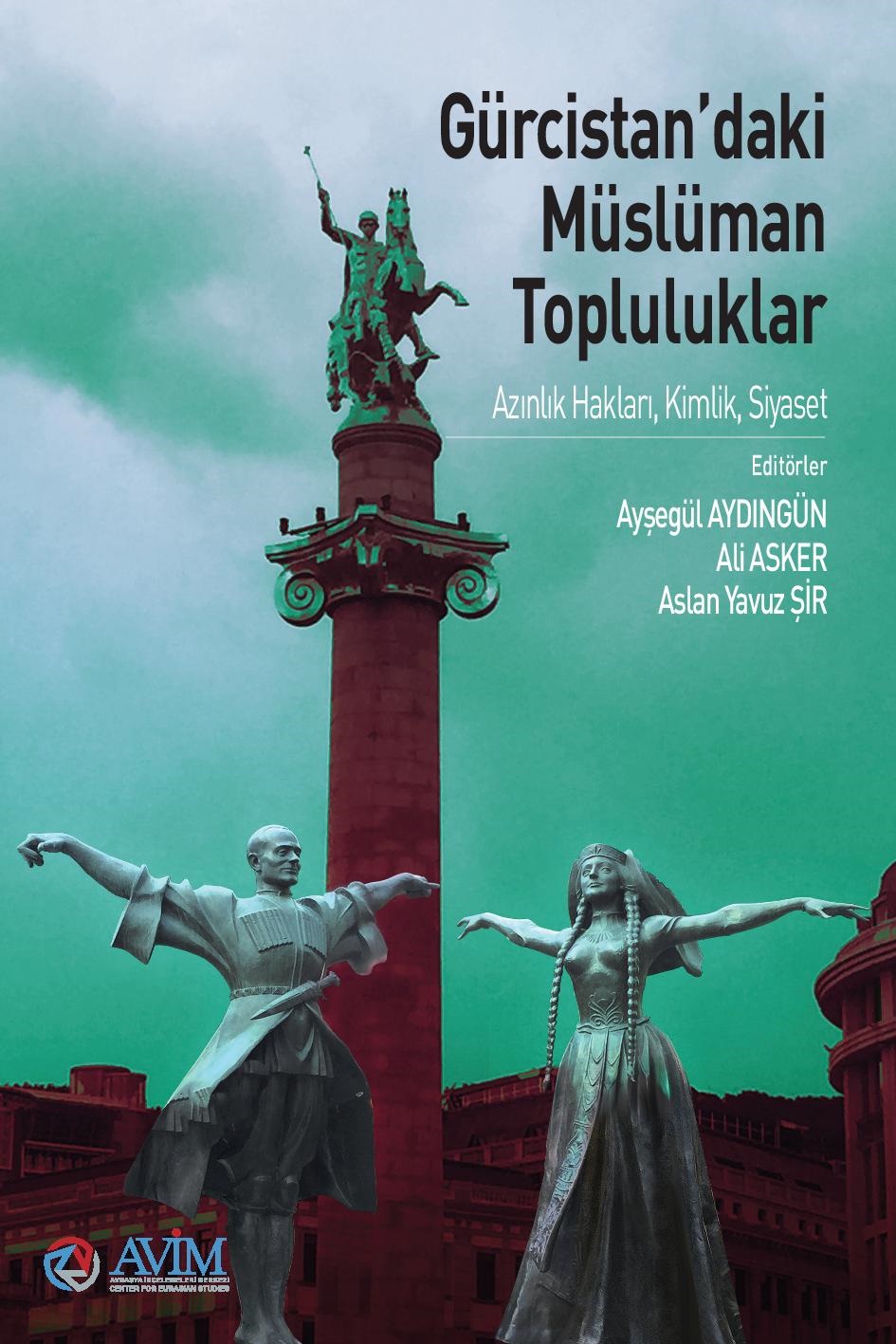
Gürcistan'daki Müslüman Topluluklar: Azınlık Hakları, Kimlik, Siyaset -
10.03.2016
Armenian Diaspora: Diaspora, State and the Imagination of the Republic of Armenia -
24.01.2016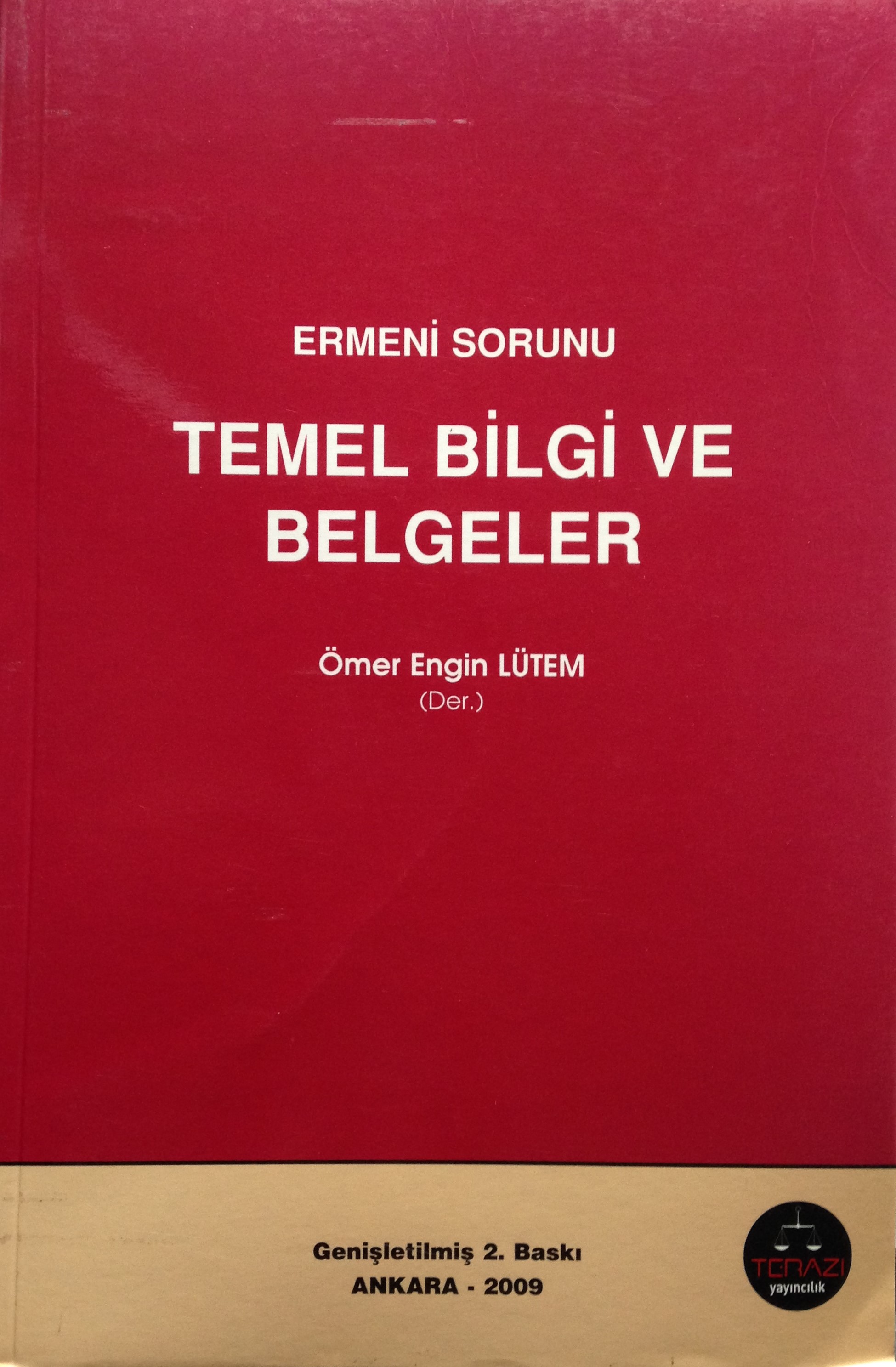
ERMENİ SORUNU - TEMEL BİLGİ VE BELGELER (2. BASKI)
-
AVİM Conference Hall 24.01.2023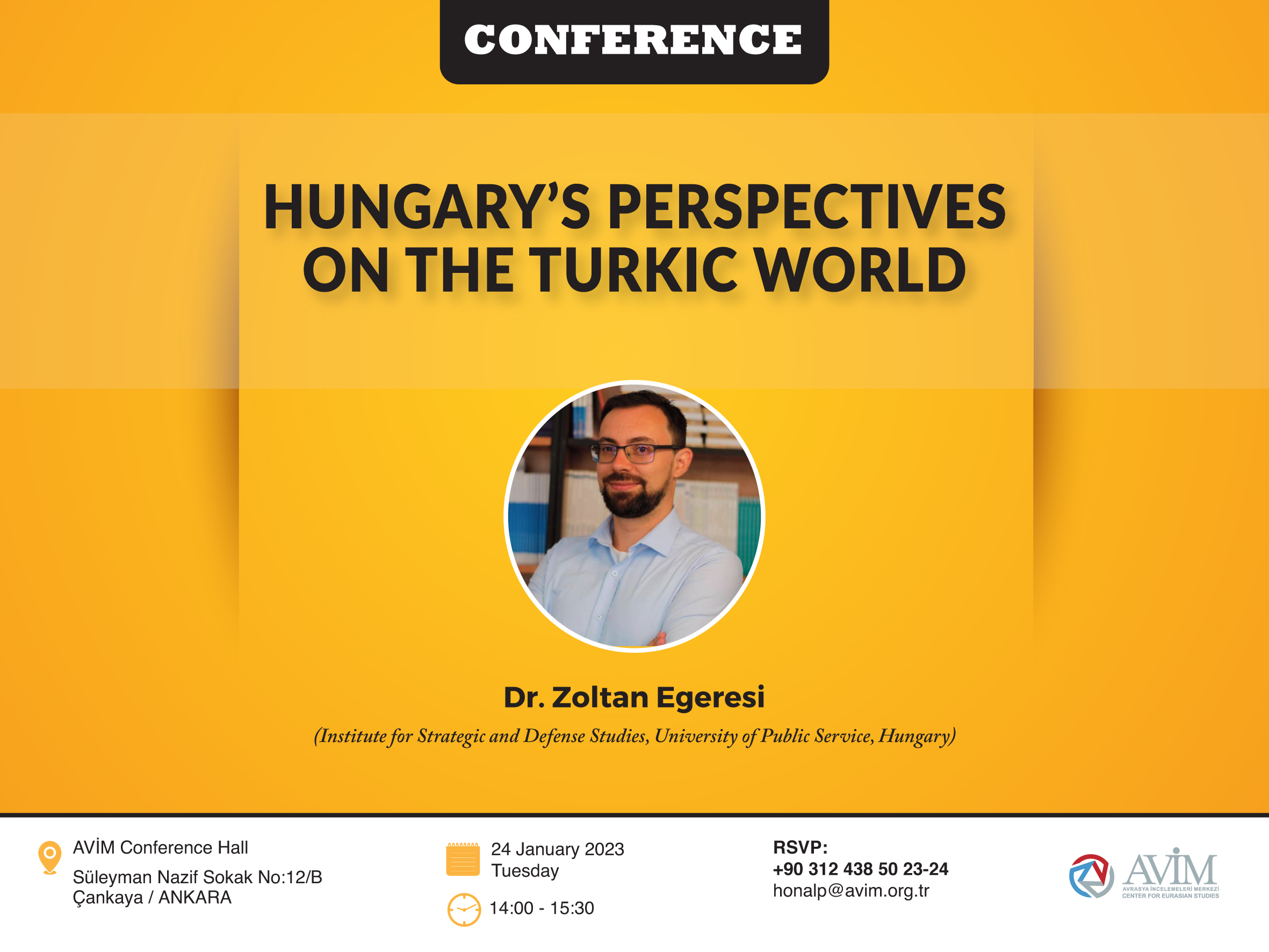
CONFERENCE TITLED “HUNGARY’S PERSPECTIVES ON THE TURKIC WORLD"