Download PDF :


Financial Times (26 March 2018)
Prime Minister Shinzo Abe, battling scandal at home and facing collateral damage from a possible US-China trade war, has pledged to push ahead with his divisive plan to revise the “peace clause” of Japan’s constitution. His speech on Sunday to the annual meeting of the ruling Liberal Democratic Party came with an apology for a cronyism scandal that has exposed document falsification at the finance ministry, dragged Mr Abe’s approval ratings to their lowest level since 2012 and threatened his hopes of becoming the country’s longest serving postwar prime minister. Nevertheless, Mr Abe told the convention that “now is the time” to amend the constitution, a mission upon which the LDP was founded in 1955 and in which Mr Abe himself is a devoted believer. The attempt at revision, which will require significant reserves of political capital and the momentum to swing a public referendum, is focused on a wording change that would formally acknowledge the constitutionality of Japan’s military — the “self-defence” force whose annual budget is among the top 10 largest in the world. While even some opponents may agree with the proposed change, widespread objection arises from a fear that it would provide a gateway for more radical changes to the constitution’s war-renouncing Article Nine. Through its coalition, the LDP has, in theory, a majority large enough to push an amendment through parliament. But the recently revived cronyism scandal has substantially thinned Mr Abe’s esteem with the general public and produced what analysts describe as a huge “trust deficit”. In his speech on Sunday, Mr Abe admitted that the scandal, which centres on a cut-price sale of state land to a nationalist school called Moritomo Gakuen, had rocked public confidence in his administration. “As the head of the government, I strongly feel my responsibility and would like to apologise deeply to the public,” he said, with a one-second bow of the head.
Attendees at the speech said that Mr Abe’s apology was clearly designed to scotch speculation that either he or Taro Aso, the finance minister, might yield to pressure and resign over the Moritomo affair, or that his falling support in the polls would deter him from the long-held dream of constitutional revision. On Tuesday, the most senior finance ministry official to resign over the scandal, Nobuhisa Sagawa, is due to give testimony to parliament. Political analysts believe the testimony could prove damaging, but suspect Sunday’s apology was a signal that Mr Abe knows he can survive it. Mr Abe’s other engagements on Sunday included a lunch with Barack Obama at one of Tokyo’s most famous sushi restaurants. The conversation, reported Japanese media, was focused on trade, a distinctly sore point for Mr Abe after President Donald Trump failed to exempt Japan from newly imposed tariffs.
https://www.ft.com/content/e05124cc-3022-11e8-b5bf-23cb17fd1498

















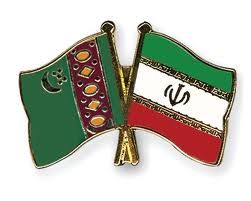 IRAN’S PRESIDENT TO VISIT TURKMENISTAN
Asia - Pacific
26.03.2018
IRAN’S PRESIDENT TO VISIT TURKMENISTAN
Asia - Pacific
26.03.2018
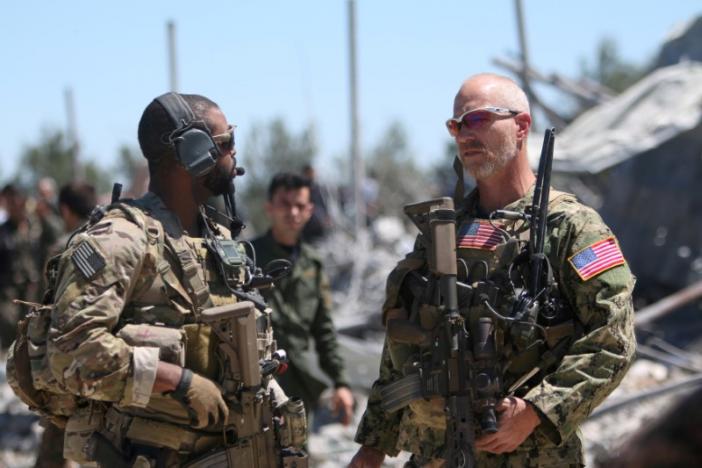 MP CRITICIZES IRAQI GOV’T FOR INACCURATE DATA ABOUT FOREIGN TROOPS IN IRAQ
Iraq
26.03.2018
MP CRITICIZES IRAQI GOV’T FOR INACCURATE DATA ABOUT FOREIGN TROOPS IN IRAQ
Iraq
26.03.2018